Third Weekend Protests France Draw 320,000 People
French authorities estimated that 320,000 people joined protests over living costs and education on Saturday, the third consecutive weekend of demonstrations…
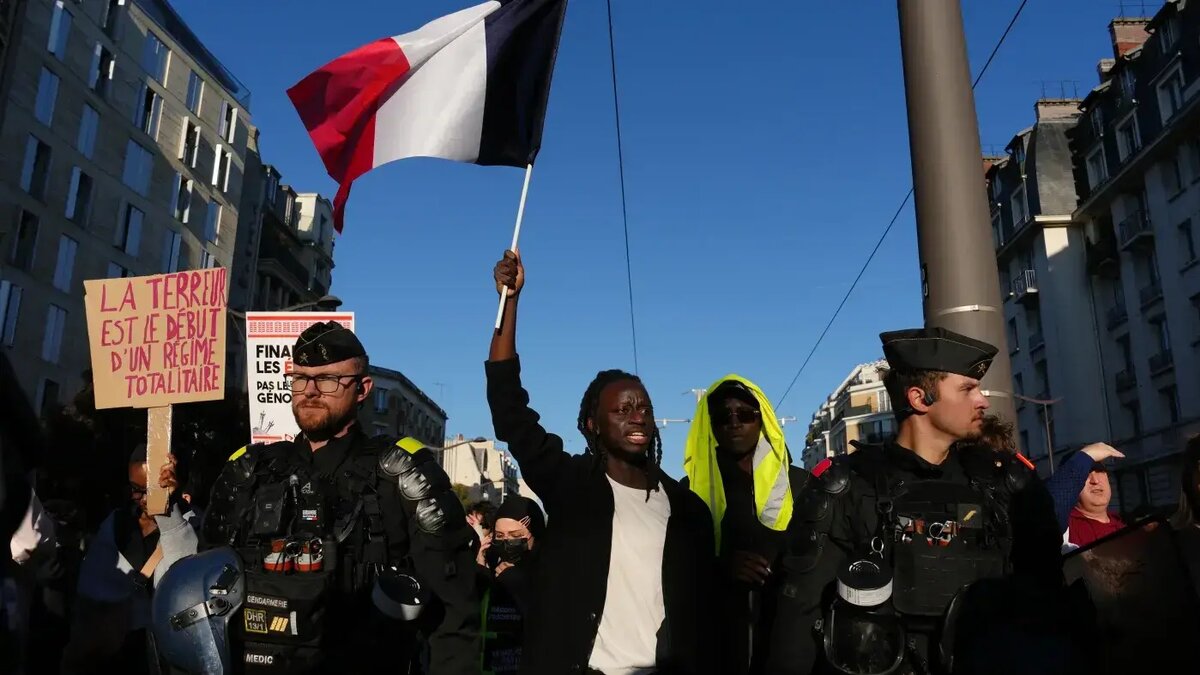
French authorities estimated that 320,000 people joined the third weekend protests France on Saturday, as rallies over living costs and education continued across the country. The demonstrations also spread to Germany and Italy, while police moved the main Paris march to the capital’s edge to limit the risk of unrest near government buildings and tourist sites.
About 70,000 police and gendarmes were deployed nationwide. Authorities reported about 300 arrests so far, down from 800 at the same point in the previous weekend’s protests. The turnout was smaller than at earlier marches, but remained substantial.
The protests have combined anger over household costs with complaints about schools and access to higher education. They began last month with high school students objecting to neglected buildings, teacher shortages and a university admissions system they see as unfair to disadvantaged students. Labor unions and other groups later joined, bringing their own demands.
Why was the Paris march moved?
Police moved the main demonstration outside the city center after a last-minute court battle, according to the Interior Ministry. Officials estimated that 70,000 people took part in the Paris protest.
At Porte de Bagnolet, thousands gathered behind students who led the march hand in hand. Security agents from the CGT, one of France’s largest labor unions, watched the front of the crowd as police assembled on nearby side streets.
The route followed the Boulevards des Maréchaux, which run along the edge of Paris. For hours, the march included music and Halloween activities, while protesters carried banners representing students, climate activists and people concerned about the cost of living.
The scale of the rallies has eased from the first two weekends. Government estimates put attendance at more than 500,000 on Oct. 17 and 410,000 on Oct. 24. Organizers’ estimates are much higher, and the Oct. 17 protests deteriorated into some of France’s worst rioting in years.
French Interior Minister Laurent Nuñez warned of a “very high risk” of disorder, particularly after dark on Halloween. Police had arrested thousands of people after riots and looting marred marches on the previous two Saturdays.
Clashes broke out near Porte de Charenton, where the Paris march ended. Some protesters threw glass bottles and fireworks at police, who responded with stun grenades and tear gas. Smoke spread through the streets as dusk fell, and many peaceful marchers left, coughing and with tears in their eyes.
The unrest has raised the stakes for demonstrators whose grievances include deteriorating student housing. Corentin Cabreux, a 21-year-old student living in a state-run residence, described damp walls, peeling sections and pests in his accommodation.
Most protesters have remained peaceful, but groups have repeatedly targeted police with fireworks and projectiles. Police have used tear gas, dispersion grenades and water cannons during unrest, tactics that have caused severe injuries, according to the account of the protests.
By Saturday, authorities had reported about 300 arrests nationwide.