Voyager 1 briefly goes silent as thrusters switch to backups
1 lost contact with Earth for more than 24 hours on October 18 and 19. Diagnostic data gathered after communications returned showed that a group of thrusters…
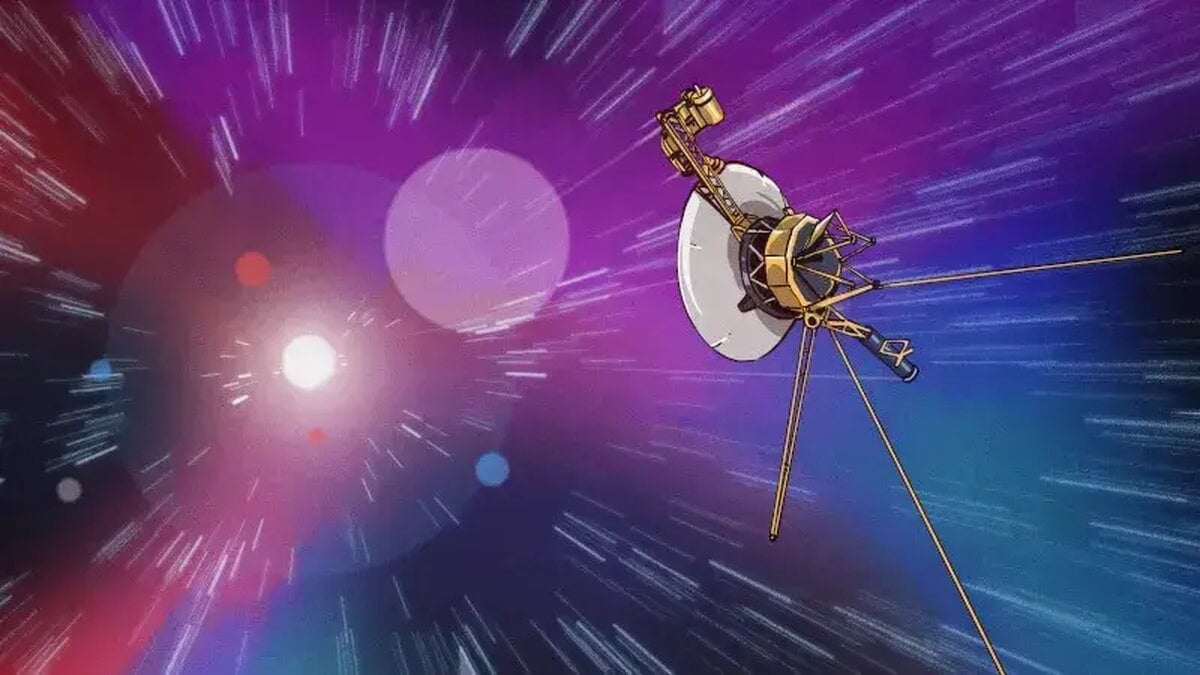
NASA’s Voyager 1 briefly goes silent for more than 24 hours on October 18 and 19, then resumes communications with Earth, while its team investigates why a group of thrusters went offline.
Diagnostic data collected after contact returned showed that backup thrusters had taken over. The cause remains under investigation, including whether the problem involved fuel lines that have clogged before.
What happened when Voyager 1 lost contact?
Voyager 1 stopped communicating with Earth for more than 24 hours across October 18 and 19. The spacecraft’s team has not determined what triggered the pause.
Once communications were restored, diagnostic readings showed that a group of thrusters had gone offline. Backup units kicked in, indicating that the onboard computer had detected a problem with the original group.
The data points to a spacecraft response, not a confirmed explanation for the communication loss. Investigators still need to determine whether the thruster issue and the blackout were connected.
Why are Voyager’s systems being adjusted?
Voyager 1’s power supply is diminishing, and its team has been making changes to extend the spacecraft’s operating life. The latest adjustment switched multiple instruments to lower-power versions.
The change is intended to conserve power while the team keeps the spacecraft’s electronics and fuel at reasonable temperatures. The adjustment could give both Voyager spacecraft a few more years before their power reserves fall below usable levels.
Whether the lower-power switch had any connection to Voyager 1’s communications pause is unknown. The two developments are being considered alongside the diagnostic findings, but the cause has not been established.
For the mission team, the incident carries a practical cost: every system has to keep working as available power declines. A backup taking over helps keep the spacecraft functioning, but the offline thrusters still need investigation, especially if a recurring fuel-line blockage is involved.
That possibility is not confirmed. Clogged fuel lines have been observed before, and the team will need to investigate whether they explain this episode.
How long could the Voyager spacecraft keep operating?
The teams are trying to stretch the missions for as long as their remaining power allows. The recent instrument changes are intended to extend operating time, but they do not remove the limits imposed by dwindling power reserves.
The account of the incident says the team is still working to understand what happened after Voyager 1 went silent. Whether the suspected fuel-line issue returns as an explanation will depend on further investigation of the diagnostic data.
For now, the clearest finding is that backup thrusters took over after a group went offline.