Australia’s 14,000 Planned Kerbside EV Chargers Face Risk of Going Unused
Australia’s planned rollout of about 14,000 kerbside electric-vehicle chargers could deliver far less use than the government expects, with an independent es...
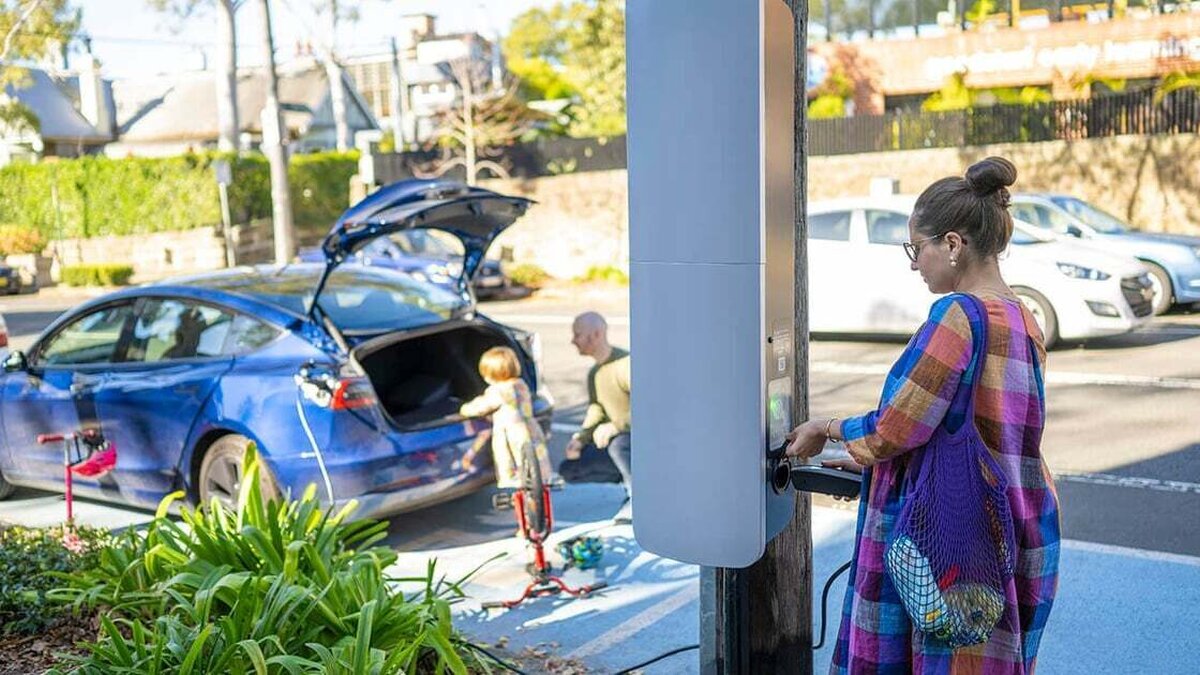
Australia’s planned rollout of about 14,000 kerbside electric-vehicle chargers could deliver far less use than the government expects, with an independent estimate putting the number of EVs served by each charger at about three rather than 30. Many chargers could also be blocked by petrol and diesel cars because the program does not require dedicated EV parking.
The federal Accelerating EV Charging Program is due to begin installing pole-mounted chargers in high-density urban areas from 2027, targeting residents with limited access to off-street parking. The gap between projected and estimated usage could mean the program’s emissions benefits are overstated by as much as tenfold.
Parking access is the problem
Under the program’s rules, installers do not have to negotiate with local councils to reserve parking bays for EVs. Industry participants expect most chargers to lack EV-only spaces, leaving charging points vulnerable to being occupied by conventional cars.
EV drivers call the experience of arriving at a blocked charger “ICEing,” a reference to internal combustion engine vehicles. The result: infrastructure sits idle while drivers look for another plug.
Evidence from existing installations suggests parking rules can make a difference. In Victoria, electricity distributors CitiPower, Powercor and United Energy said their 34 pole-mounted chargers were used more often where councils had set aside dedicated EV bays. The companies plan to install 100 chargers across Melbourne, the Mornington Peninsula and western Victoria by the end of 2026.
Kerbside charging is intended to serve people who cannot charge at home, including residents of apartments and other dense urban housing. Public fast chargers can draw queues, while street-side chargers offer drivers a place to plug in as they park.
Costs and next steps
The rollout comes amid wider debate over who should pay for charging infrastructure. Tesla, energy companies and charge-point operators have opposed a proposal that could allow electricity network costs to be passed on to households through higher power bills, including those without EVs. The Australian Energy Market Commission has given preliminary approval for grid owners to enter the public charging market; a further decision is expected by the end of 2026.
New South Wales has separately committed AU$16.5 million to charging infrastructure and fleet electrification. Of that, AU$5 million is set aside to co-fund kerbside chargers across 37 local government areas, while AU$11.5 million is for businesses, councils and non-government organisations electrifying fleets.
Researchers have argued that governments should choose charger locations with councils and residents, rather than installing them broadly without local input. Victoria’s early usage data points to one practical factor: whether a charger has a parking bay drivers can actually use.