Does Fluoride-Free Toothpaste Compare? What Research Says
Hydroxyapatite toothpaste is drawing interest as a fluoride-free alternative, with some research supporting its effectiveness and potential to ease tooth…
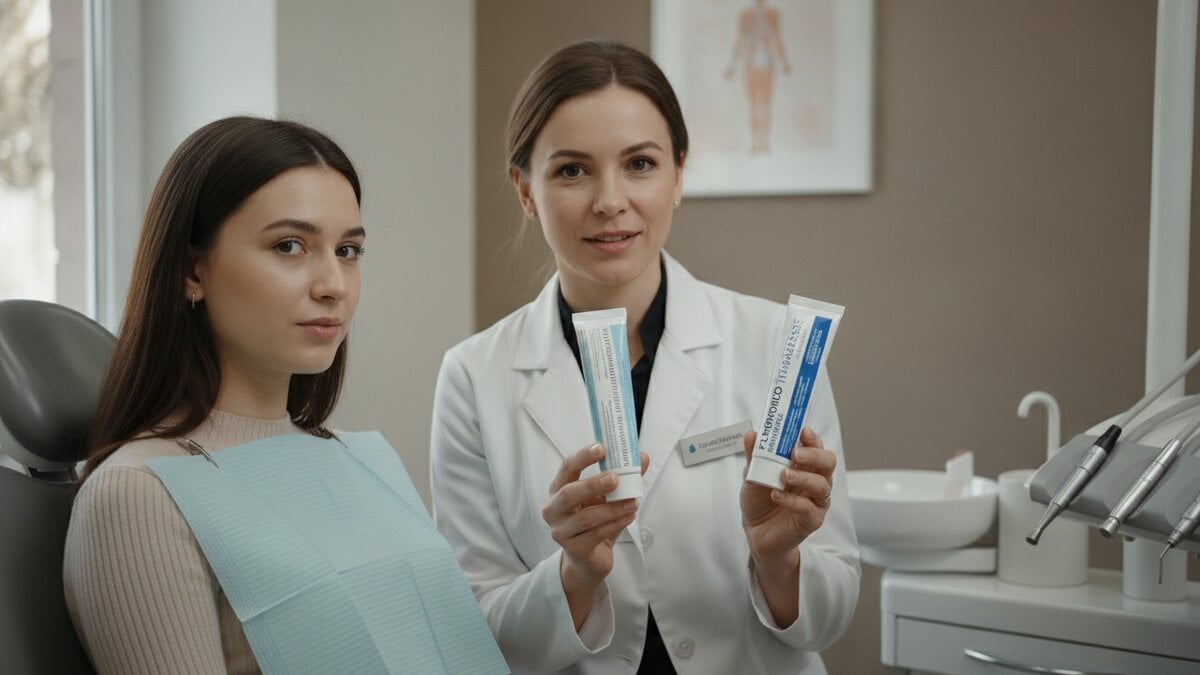
Dr. Jin-Ho Phark says patients are increasingly asking about hydroxyapatite toothpaste, a fluoride-free option, as interest in alternatives grows. The mineral has some research backing its effectiveness, but dental experts say fluoride remains beneficial for preventing cavities.
That distinction matters for people weighing what to use at the sink: hydroxyapatite is promoted for cavity protection and enamel support, while fluoride toothpaste has long been used to help protect teeth from cavity-causing bacteria.
“There's a lot of interest from the patients,” said Phark, an associate professor of clinical dentistry at the Herman Ostrow School of Dentistry of University of Southern California. He said he hears similar interest from students.
Patients have been asking about hydroxyapatite in particular. Phark said some may have encountered the products through intensive promotion by influencers and others on social media.
Hydroxyapatite is a calcium phosphate mineral. Its similarity to tooth enamel is part of its appeal, and some research suggests it may help with tooth sensitivity. Products containing it promise benefits consumers often seek in toothpaste, including cavity protection, whitening and enamel strengthening, without fluoride.
Those potential benefits do not mean the two ingredients have identical evidence behind them. The source material describes some research supporting hydroxyapatite, while health experts broadly agree that fluoride benefits health and helps prevent cavities.
Fluoride toothpaste became common in the late 1950s, when Procter & Gamble Co. released Crest nationally, according to the Centers for Disease Control and Prevention. Fluoride products then became widely available around the world over the following decades.
Does fluoride-free toothpaste compare on cavity protection?
Hydroxyapatite has some research backing its effectiveness, but the cited details do not establish that it matches fluoride’s cavity protection. The CDC says fluoride in water reduces cavities by 25%.
That evidence is relevant as more consumers consider switching products. Toothpaste is a routine form of oral care, and the choice may affect how people protect their teeth against decay. The available account does not set out a direct head-to-head result, so claims that one option performs equally well should not be inferred from the reported findings.
Dental health also has wider connections. Dr. Livia Tenuta, a dentist specializing in preventing tooth decay and an associate professor at the University of Michigan School of Dentistry, said oral health and the bacteria in the mouth are linked to systemic health and the composition of the gut microbiome.
“There are these connections made between your oral health, and the bugs that you have in your mouth, and systemic health and even the composition of your gut microbiome,” Tenuta said.
Fluoride-free products are gaining attention amid public skepticism about fluoride. Bennett Amaechi, a professor of dentistry at the University of Texas at San Antonio, said more people are refusing fluoride entirely or feel hesitant about it, particularly for children.
Health Secretary Robert F. Kennedy Jr. has blamed water fluoridation for several health problems, including arthritis, bone fractures, bone cancer, IQ loss, neurodevelopmental disorders and thyroid disease. Amaechi said there is no concrete evidence of potential harm to children’s IQ from fluoride. Research finding associations with IQ examined fluoride levels over twice what is recommended in the U.S. water supply.
The CDC previously called adding fluoride to public drinking water one of the top 10 great public health achievements of the 20th century, alongside vaccinations and family planning. Its stated estimate is that fluoride in water reduces cavities by 25%.