
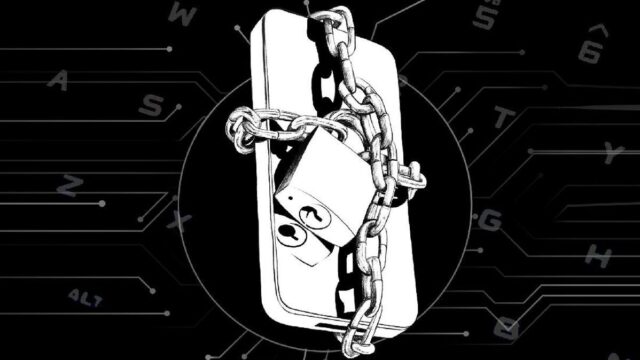
JAKARTA — Financial data security is now at a critical point as cyberattacks on digital banking apps become more frequent. The latest report from cybersecurity experts shows the 20 passwords hackers love most in m-banking in 2026 are still dominated by very common number strings and words used by customers.
Using a password that is easy to guess is no longer just a minor lapse, but a wide opening for cybercriminals to drain your balance. Many users are still trapped by the convenience of memorizing passwords, instead of prioritizing account access resilience against brute force attacks, which are becoming more sophisticated.
The Real Threat Behind Weak Passwords
Today’s cyberattack patterns no longer need much time to guess your access key. Hacker algorithms can process thousands of popular password combinations in seconds. Using a birth date or a family member’s name as a password is a fatal mistake that gives hackers a shortcut.
The risk of losing funds from a mobile banking account instantly is a real consequence if you keep using that pattern. The banking industry continues to remind customers to enable two-factor authentication, but its effectiveness will still be reduced if the main door — the password — is extremely easy to guess.
Here are the password patterns that must be avoided according to the latest cybersecurity analysis data:
| Password Category | Common Examples to Avoid |
|---|---|
| Number Sequences | 12345678, 11112222, 00000000 |
| Keyboard Patterns | qwertyuiop, asdfghjkl, 123qweasdzxc |
| Personal Information | First Name + Year of Birth, Partner’s Name, Pet’s Name |
| Common Root Words | password, sandi123, selamatdatang, bismillah123 |
The Impact on Customers’ Financial Security
What are the consequences for you? Very serious. When hackers gain control of an m-banking account, they do not only steal the remaining balance, but can also take over customer identity data stored in the app. This can lead to misuse of data for illegal online loan applications or extortion.
Many customers feel safe because they rarely open the app on public WiFi networks, even though credential theft often happens through database leaks from other platforms that use the same password. Using one password for all applications is a pattern that must be stopped immediately.
Cybersecurity experts from an independent cyber research institute emphasize that credential stuffing attacks are now a major threat. “Customers often use the same pattern across different platforms. If one account is breached, your banking account becomes the next target because hackers try the same combination,” said a digital system security analyst.
Using a password manager is now a new security standard recommended for anyone active in digital transactions. This software can create random passwords that are very long and difficult for any password-guessing algorithm to break.
Self-Mitigation Steps
The first step you can take today is to change all of your banking app passwords. Avoid using sequential numbers or information that is easy to find on your personal social media. Combining symbols, uppercase letters, and random numbers has been proven to be much more effective in preventing automated attacks.
In addition to changing passwords every three months, make sure you also review the list of devices connected to your m-banking account. Remove access from devices that are no longer used to narrow the attackers’ room to move. Your diligence in managing digital access is the last line of defense before the bank authorities intervene if suspicious transactions occur.
The outlook for the next 7 to 30 days is that banks are expected to roll out a wave of security upgrades that will force customers to update their passwords regularly. This trend will continue as regulations on personal data protection in the national financial services sector become stricter. Customers are expected to begin getting used to biometric authentication such as fingerprints or facial scans to add another layer of protection against unauthorized access.
📝 Leave a Comment
Comment as . Reviewed by an admin before it appears.