Emas Slips as Traders Await Fed Minutes
Emas prices slipped before the Fed minutes as traders weighed U.S. rate signals, a stronger dollar, and Middle East risks that could shift bullion outlooks.
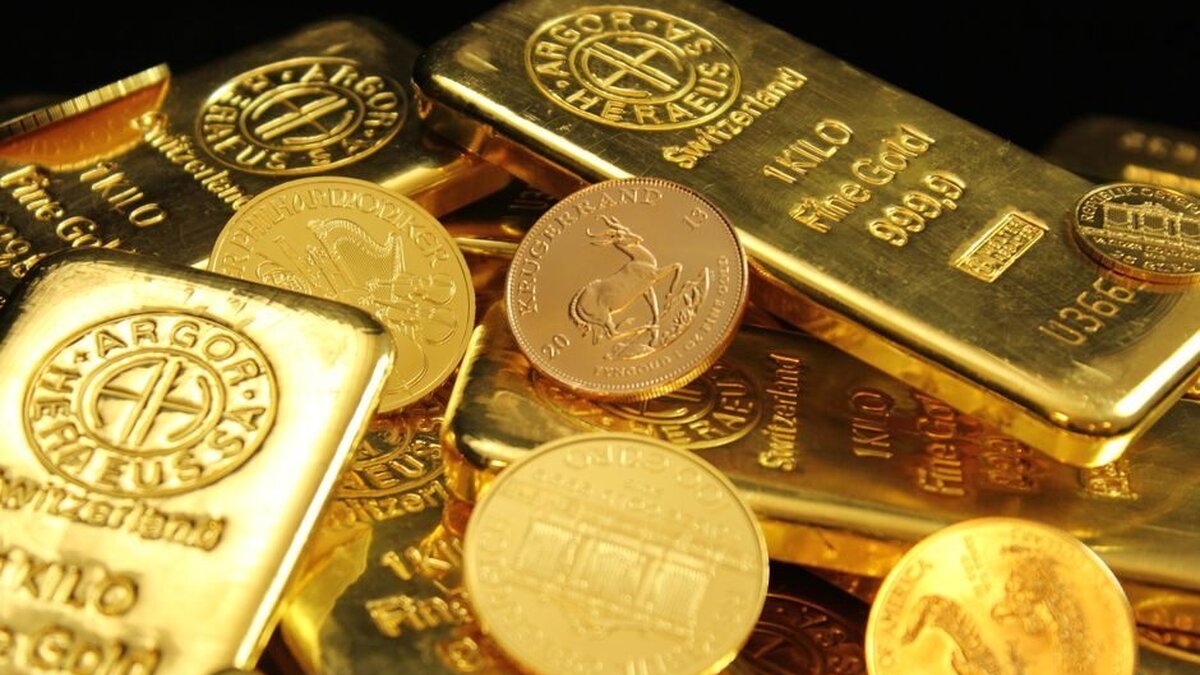
JAKARTA — Global emas prices slipped in trading on Tuesday, July 7, 2026, local time, as investors waited for the minutes of the Federal Reserve's (The Fed, the U.S. central bank) latest monetary policy meeting, due out Wednesday. Pressure came from two sides: firmer expectations for U.S. interest rates and intensifying conflict in the Middle East.
In spot trading, gold fell 0.6% to $4,141.16 per ounce. August gold futures also eased 0.2% to $4,157.40. The move followed a run that earlier in the week had pushed gold to a two-week high.
Investors look for signals from The Fed
Market attention is now fixed on the June Fed minutes. Traders see the document as a possible guide to how the U.S. central bank views inflation, growth and the likelihood of rate changes in the months ahead. No one wants to misread the message.
“I think reality is beginning to set in that the Fed is still very focused on inflation control, so higher rates for longer appears to be the most likely Fed path,” said Peter Grant, vice president and senior metals strategist at Zaner Metals, as quoted by CNBC.
According to CME FedWatch Tool, traders now see the odds of a rate increase in September at around 56% to 60%. The figure keeps moving, but the direction is clear: markets have not fully ruled out further tightening. Because gold pays no yield, any sign of higher rates can quickly weigh on buying interest.
Why gold is under pressure
Gold's link to interest rates remains strong. When bond yields rise or the U.S. dollar strengthens, gold tends to look less attractive to global buyers. The metal is often used as an inflation hedge, but its appeal can fade when the cost of holding it rises.
Jim Wyckoff, market analyst at American Gold Exchange, said the slightly stronger U.S. dollar on the day was enough to create a bearish tone for gold. “Traders will be looking at the minutes to see whether they can get any other clues on the direction of U.S. monetary policy. Any surprise from the minutes could move the market,” he said.
Weaker-than-expected U.S. labor data last week had briefly lifted gold, as traders scaled back expectations for near-term rate hikes. But sentiment has not fully settled. One soft data point does not automatically change the Fed's hard line on inflation.
What it means for investors and Indonesia's market
For retail investors in Indonesia, the move matters because local gold prices usually follow the direction of global gold and the U.S. dollar. When global emas prices slip, local buyback and selling prices can also come under pressure, although the size of the move depends on the rupiah exchange rate and each gold seller's pricing policy.
That means people buying physical gold as a savings tool need to stay sharp. Lower prices can be tempting, but if the Fed signals rates will stay high, gold could remain capped. If the minutes lean more dovish, the market could turn quickly. Very quickly.
For the financial industry, the signal also matters for portfolio strategy. Fund managers, commodities traders and banks holding hedging assets are watching to see whether gold still has momentum or is starting to lose steam. Tensions in the Strait of Hormuz add another layer of risk, since any jump in oil prices could revive global inflation fears.
China keeps buying, Hong Kong opens a new channel
While markets weigh the short-term outlook, China's central bank is still adding to its gold reserves. Purchases by the People's Bank of China have continued for 20 straight months. China's gold holdings stood at 75.44 million fine troy ounces at the end of June, up from 74.96 million a month earlier.
Hong Kong has also taken a strategic step by launching a central clearing system for gold and reviving gold futures trading. The move is meant to strengthen the city's role as a regional precious-metals reserve hub. Asia's markets are clearly moving to keep up.
Gold had already corrected lower on Monday after hitting a two-week high. A stronger U.S. dollar was the main drag, though losses were limited as weaker U.S. jobs data and softer expectations for Fed rate hikes kept support under the market.
J.P. Morgan said in a research note released Friday that demand for gold from several key sectors is unlikely to be as strong as previously expected.
The investment bank forecasts average gold prices at about $4,300 per ounce in the third quarter of 2026, rising to $4,500 per ounce in the fourth quarter of 2026. Markets are now waiting to see whether the Fed minutes push prices closer to that path or hold them back longer.