Nabire Keeps Odd-Even Fuel Rule as Queues Ease
Nabire keeps the odd-even fuel rule to cut queues at subsidized gas stations and tighten BBM distribution. Here’s what changes for drivers.
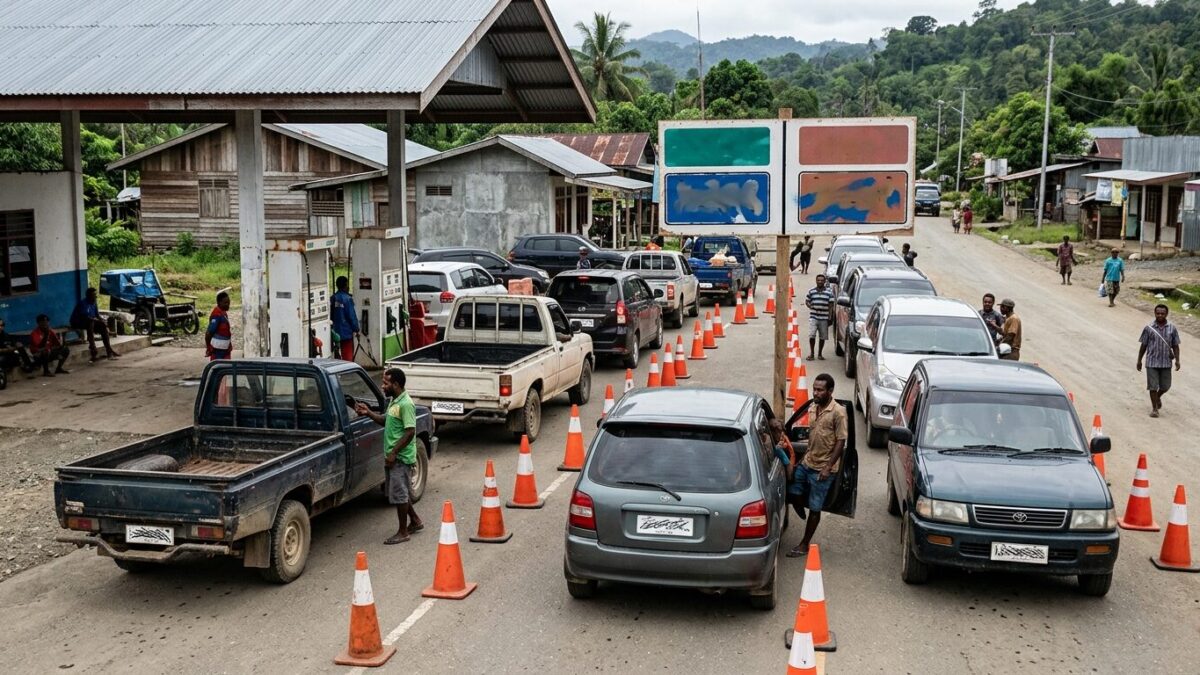
NABIRE — The odd-even fuel rule for subsidized BBM in Nabire is staying in place. The Nabire regency government in Papua Tengah chose to continue limiting vehicle plates at SPBU stations after the policy was credited with reducing long queues since it took effect on June 19, 2026.
Deputy Regent Burhanuddin Pawennari said queues of motorcycles, cars, and trucks at SPBU stations have started to shrink after the regent’s circular was enforced. The impact is showing up on the road. Traffic that used to choke around fuel stations is now moving more freely.
Queues at SPBU drop, traffic starts moving better
Burhanuddin said the subsidized fuel order is based on Nabire Regent Circular Letter Number 500.10.1/1061/Sek Tahun 2026. One of the main points in the circular is the odd-even vehicle system for buying subsidized BBM at SPBU stations.
“One of the points in the regent’s circular is the odd-even system for vehicles buying subsidized BBM at SPBU stations since June 19, 2026. Now it is already visible, the queues of motorcycles, cars and trucks at SPBU stations have dropped a lot,” Burhanuddin said in Nabire on Sunday.
He added that long lines around fuel stations were not only slowing traffic. They also raised the risk of accidents because vehicles were spilling onto the roadway. In a town where many residents depend on motorbikes and daily transport, fuel queues quickly turn into a broader public problem.
For residents, the change is immediate. The wait at the roadside is shorter. The flow is cleaner. But the rule also adds pressure for some people who rely on vehicles to earn a living every day.
Pushback is still coming
The Nabire government admits the policy has not been welcomed by everyone. Burhanuddin said there is still support and criticism in the community. One group voicing concern is motorcycle taxi drivers, who say they need a lot of fuel to keep working.
“There is still pro and con. Every government policy gets different responses, so we will keep evaluating it,” he said.
That review, he added, will happen every month. The local government wants to make sure supervision and restrictions on subsidized fuel sales work as intended: energy subsidies should go to those who are entitled to them, not to people using them for other gains.
At this point, the Nabire government is balancing two interests at once. On one side, it wants to clean up subsidized BBM distribution. On the other, it must make sure low-income residents who truly need fuel are not pushed out.
Pertamini outlets will be tightened too
The government is not stopping at SPBU stations. It also plans to tighten oversight of BBM sales through Pertamini outlets and fuel resellers. The move includes checking business permits and monitoring fuel measurements sold to the public.
Burhanuddin stressed that Pertamini operators or roadside fuel sellers may only trade non-subsidized BBM, such as Pertamax. That way, subsidized fuel distribution stays under the existing rules and does not mix with retail sales that are prone to abuse.
He also reminded residents that the rule has a clear legal basis. Under Article 55 of Law No. 22 of 2001 on Oil and Gas, misuse of the transport and/or sale of government-subsidized BBM can carry criminal penalties.
That warning matters. In many regions, subsidized fuel is still one of the easiest goods to sell off the books. Once loopholes open in distribution, queues return fast and subsidies drift away from the people they were meant to help.
Out-of-region plates are also restricted
Under the same circular, the Nabire government also bans vehicles with out-of-region plates from buying subsidized BBM in Nabire. Owners who want access to the subsidy must transfer their registration to Papua Tengah plates under the applicable rules.
The rule is part of a broader effort to control subsidized BBM distribution in the area. The government wants to make sure subsidized fuel is truly used by vehicles registered and operating within the local administrative area. In this way, the risk of fuel leaking out of the region can be reduced.
Burhanuddin said he hopes stricter enforcement will make subsidized fuel distribution more orderly, reduce queues at SPBU stations, and keep energy subsidies targeted at the people who need them. He also signaled that the crackdown will continue, not just sit on paper.
For Nabire, the policy will keep being tested on the ground. One starting marker is clear: the odd-even fuel rule has been in effect since June 19, 2026, and since then the queues at SPBU stations have begun to shrink.
What happens next will depend on enforcement, monthly reviews, and whether residents see a fairer flow of fuel in the weeks ahead.