US-Iran Diplomacy Makes Progress Amid Trump’s Threats
US-Iran diplomacy shows progress in Switzerland, with a 60-day road map and possible sanctions relief despite Trump’s military threat.
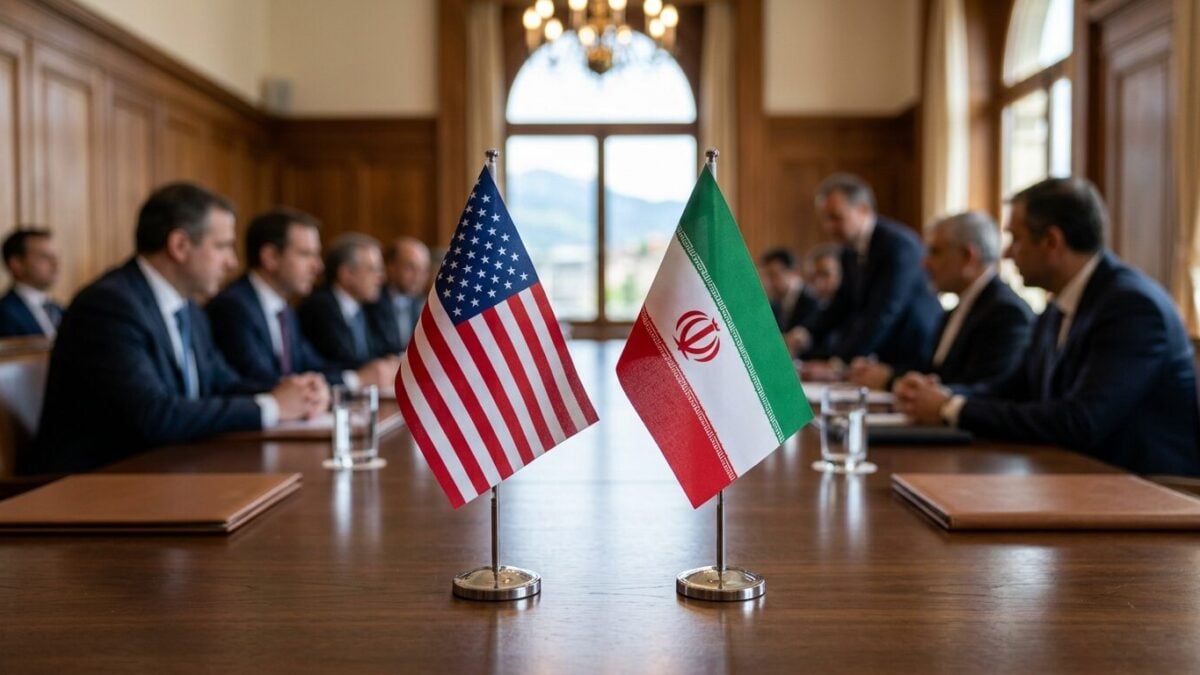
GENEVA — US-Iran Diplomacy Makes Progress Amid Trump’s Threats after senior delegations from Washington and Tehran finished the first day of peace talks in Switzerland with a tentative road map and a new push to lower sanctions pressure. The discussions, mediated by Pakistan and Qatar, have raised hopes of a breakthrough even as the wider Middle East crisis remains volatile.
The talks matter fast. A failure would risk fresh energy shocks, more pressure on shipping through the Strait of Hormuz, and a deeper military spiral that could pull in more players across the region.
Constructive talks, but a fragile opening
Iranian Foreign Minister Abbas Araghchi said the negotiations had made major progress in efforts to end the fighting in Lebanon. Both sides, he said, kept the exchange constructive as they searched for a way to cool weeks of rising tension.
That tone mattered because the opening atmosphere was far from calm. US President Donald Trump had already issued a blunt military warning, and the room reportedly tightened before Qatar and Pakistan’s special envoys stepped in to steady the talks.
The mediation effort now appears to have produced a concrete framework. A joint statement from the mediators said Washington and Tehran had agreed on a 60-day road map aimed at reaching a final deal within that window. Technical talks involving lower-level officials are set to continue through the week, with both sides expected to work line by line through the draft.
One short sentence explains the stakes. Time is tight.
Sanctions relief at the center of the deal
The main economic incentive sits with sanctions relief. According to the report, the US Treasury Department is preparing a 60-day waiver that would allow Iranian oil, petrochemicals and related products to move into global markets without buyers facing secondary sanctions.
For Tehran, that would be real money. Iran’s economy has been battered by high inflation, weak investment and the drag of restricted exports. For Washington, the calculation is different but just as hard-nosed: keep global energy supplies steady and avoid a military flare-up that could endanger one of the world’s most important shipping lanes.
The Strait of Hormuz remains the sharpest pressure point. The passage carries a large share of global oil flows, and any threat to close it sends a jolt through markets. That is why the White House has treated maritime security as a hard line, even while allowing diplomats to keep talking.
Trump’s warning and the Hormuz risk
Tensions were pushed higher before the Swiss meetings began. Iran announced a renewed blockade in the Strait of Hormuz, saying the move was a protest against Israeli strikes on Hezbollah bases in Lebanon. Trump answered on his personal social media platform with an unusually aggressive warning, telling Iran in public that if it closed the waterway, “you won’t have a country anymore.”
The threat was more than rhetoric. It added pressure to already delicate talks and sharpened fears that a diplomatic opening could collapse overnight if events at sea or in the air turn violent. Israeli military moves, which are not part of the Swiss talks, also remain a wild card.
That outside factor could derail everything. If Israel launches a surprise strike on Iranian nuclear facilities, the road map would likely fall apart in an instant, regardless of what diplomats agree in Geneva.
Domestic pressure inside Iran
The standoff has also triggered an unusual reaction at home in Iran. The external threat has encouraged a rare wave of national solidarity among civilians, even after earlier protests this year ended in harsh security crackdowns.
Seyyed Mohammad, an independent political analyst in Tehran, told local media: “We may disagree with our government, but we will not let foreign powers dictate this country.” His comments reflect a broader nationalist mood that has strengthened as outside pressure grows.
That shift matters for the negotiating room. Iranian leaders can point to public anger over foreign threats, while US officials can argue that sanctions relief only works if Tehran keeps the talks on track and avoids escalation in the Gulf.
The next round of technical meetings now carries real weight. If the negotiators keep moving, the 60-day clock could become the first serious path toward a deal since tensions surged. If they stall, the Strait of Hormuz could turn back into the pressure point everyone is trying to avoid.