Trump escalates bid to narrow US citizenship with new orders on birth tourism
President Donald Trump has signed new executive orders aimed at limiting birthright citizenship in the United States and cracking down on so-called birth tou...
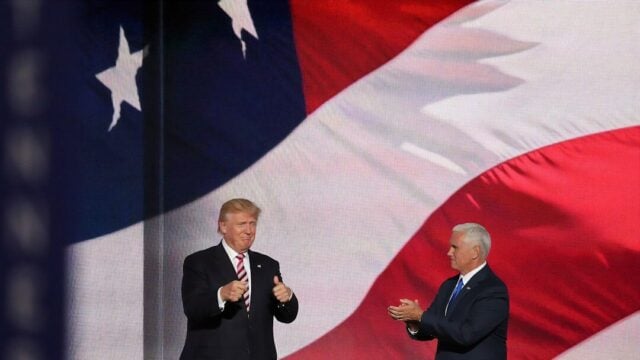
President Donald Trump has signed new executive orders aimed at limiting birthright citizenship in the United States and cracking down on so-called birth tourism. The moves revive a fight over who gets automatic US citizenship, after the Supreme Court rejected Trump’s first attempt in June.
What the orders do
Trump signed two executive orders on Thursday, using a tool that lets a president direct the federal government without congressional approval. One expands the categories of non-citizens whose children would not qualify for birthright citizenship.
Under the order, babies born in the US to two non-citizen parents would not automatically receive citizenship if one parent is linked to a foreign terrorist group, works for a foreign government, has tried to obtain citizenship fraudulently, or lives in a US territory where citizenship is not granted by federal law.
The second order targets birth tourism, the practice in which foreign nationals travel to the US specifically to give birth so their child can obtain citizenship.
What birthright citizenship means
Birthright citizenship is the long-standing practice of granting citizenship to people born on US soil, with some exceptions. It has been a cornerstone of the country’s citizenship rules, and a frequent flashpoint in debates over immigration and constitutional rights.
The White House has framed Trump’s latest action as part of a broader effort to restrict access to US citizenship. The administration is pressing ahead after the Supreme Court struck down his first bid to curb birthright citizenship in June.
How common is birth tourism?
The source material does not provide figures on how many people travel to the US for this purpose. What it does make clear is that Trump’s order is aimed at the practice itself, which has long drawn political attention because it links childbirth, immigration rules and citizenship rights in one step.
The latest orders leave the issue back in the political and legal spotlight. And for families, immigration lawyers and governments watching from abroad, the next question is whether the administration can push these changes through despite the court setback.