Armenia’s prosecution row raises questions for EU ties
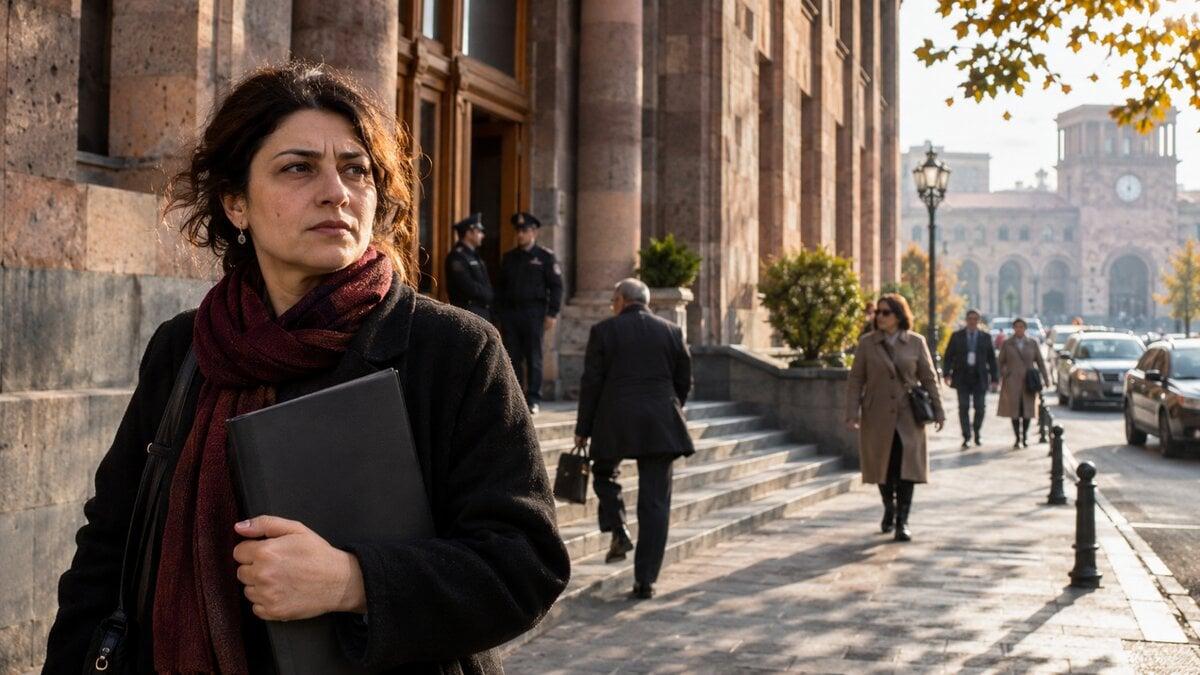
Armenian opposition leader Artur Danielyan’s arrest over Facebook posts criticizing Prime Minister Nikol Pashinyan has sharpened concerns about selective prosecution and the country’s democratic direction. The case carries potential weight for Armenia’s ties with the European Union, though the available facts do not establish how EU institutions will respond.
Danielyan, head of the opposition party Adekvad, was arrested in early October. His posts criticized Pashinyan and Armenia’s security services, including the prime minister’s rejection of a possible prisoner exchange involving detained Armenians in Azerbaijan.
In an interview with an Armenian news outlet, Pashinyan ruled out exchanging an Azerbaijani soldier held in Armenia for Armenians detained in Azerbaijan. The soldier is accused of entering a woman’s home in the village of Shaki and injuring her and her children. Danielyan attacked the prime minister over the position, calling him a “scumbag” and accusing him of failing to bring fellow citizens home.
Civil society representatives say the case fits a broader pattern: over the past two years, authorities have charged multiple opposition figures, often over social media activity. They warn that selective justice could mark democratic backsliding. The supplied details establish the arrests and the posts cited in Danielyan’s case, but do not independently establish that the prosecutions were politically directed.
Election scrutiny adds another point of concern. The Parliamentary Assembly of the Council of Europe (PACE) said Armenia’s June parliamentary election gave voters a genuine choice and was well run, while criticizing the Central Election Commission’s decision to annul results at three polling stations.
PACE said the excluded votes could have affected the outcome and recommended changes to electoral law. The commission said two polling stations allowed military personnel to vote after the legal closing time; at a third, ballots for one party were missing for much of the day.
Prime Minister Nikol Pashinyan’s Civil Contract party won 49.75% of the vote and 64 parliamentary seats, giving it a three-fifths majority. Prosperous Armenia, led by Gagik Tsarukyan, finished at 3.98%, just below the 4% threshold for entering parliament.
The cases raise questions about how Armenia’s treatment of opposition figures and electoral procedures may shape perceptions of its democratic institutions as it pursues closer ties with Europe. The material does not detail an EU response or a specific consequence for the relationship.