NYT Cooking AI Assistant Adapts Recipes, but Cake Advice Stumbles
NYT Cooking’s new AI assistant can tailor recipes to available ingredients and kitchen equipment, but a hands-on test found its advice still needs a human
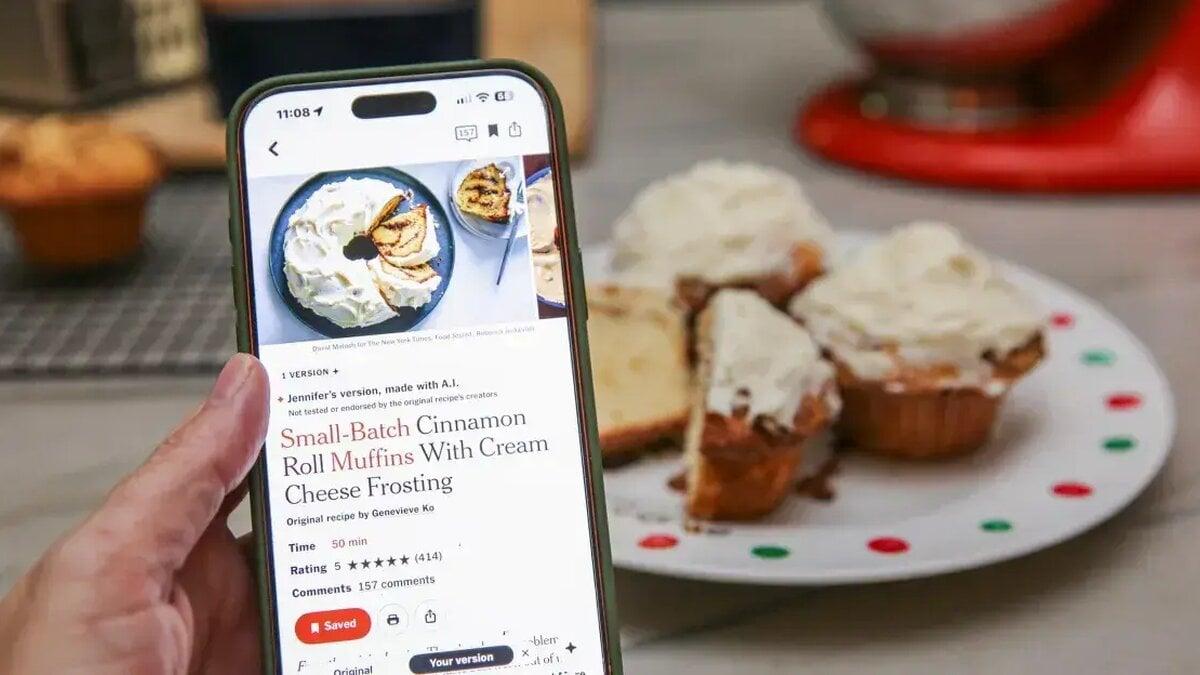
NYT Cooking’s new AI assistant can tailor recipes to available ingredients and kitchen equipment, but a hands-on test found its advice still needs a human check. The tool helped with a weeknight chicken dinner and nearly spoiled a cake.
The assistant is available to subscribers using the iOS app. It appears in a chatbot-style panel on recipe pages, where users can ask it to swap ingredients or utensils and change quantities for different numbers of diners.
Useful adjustments, with limits
For a cook trying to avoid another dinner that prompts “Chicken again?”, the assistant offers a quick way to adapt a recipe to what is on hand. One example showed it recommending that baby spinach go into a dish later than kale because spinach wilts faster.
The test also found a less reassuring result when the assistant helped with a cake.
That distinction matters for home cooks. Ingredient swaps and equipment substitutions can make a recipe more practical, but advice that changes how a dish cooks may deserve closer scrutiny.
Control and trust
The New York Times has presented the feature as a way to customize existing recipes, not replace them with wholly new instructions. Customized versions remain private and cannot be shared, while the company is introducing the tool gradually as it monitors its performance.
The rollout has drawn concern from some subscribers who want more control over the assistant’s arrival in the app. The concern reflects a broader tension in consumer AI: convenience can save time, but users still need to decide whether a suggestion fits the recipe and the moment.
NYT Cooking’s collection includes thousands of recipes from sources such as newspaper archives, restaurants, cookbooks and food columnists, with recipes tested by people. That human-tested foundation is part of what makes automated edits useful—and a reason to treat them as edits rather than unquestioned instructions.