France Blood Storage Refrigerators Hit by Cyberattacks
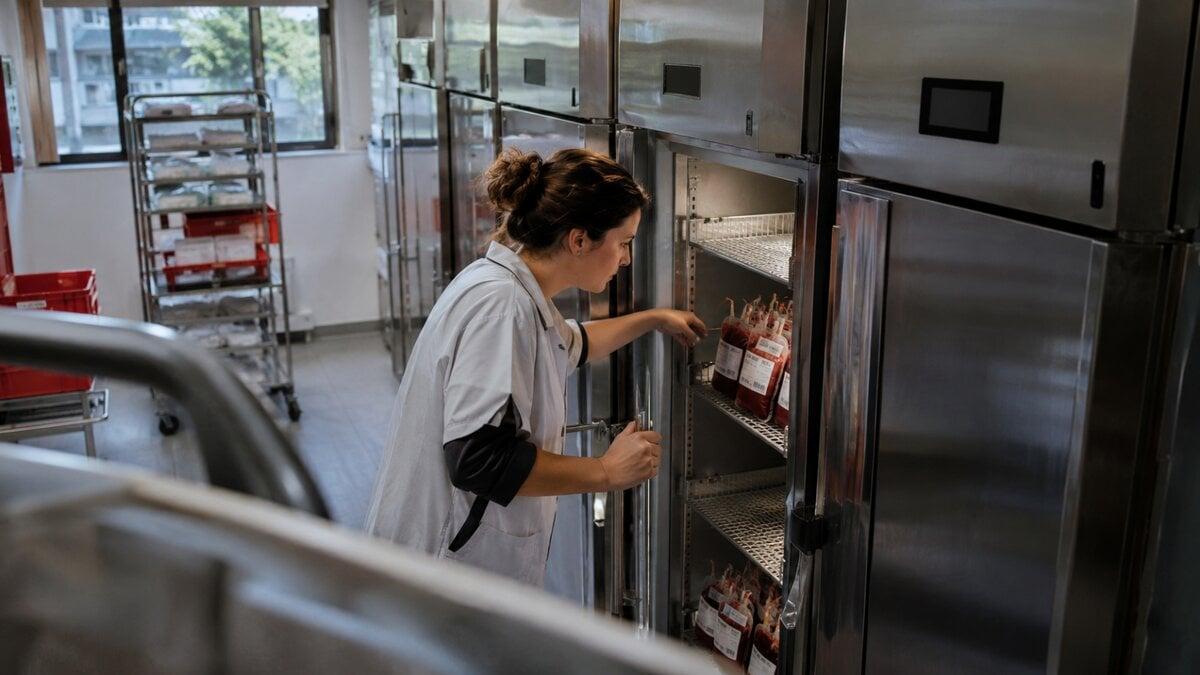
Cyberattacks targeting internet-connected refrigerators disrupted three blood and plasma sites in France, raising temperatures in rooms where blood was stored. Staff and alarm systems caught the changes before any samples were damaged, the French Blood Establishment said.
The incident shows how attacks on connected devices can reach beyond household inconvenience. The same wave has affected supermarket chains across at least 11 European countries, according to the reported account.
Alarms and staff prevented damage
The French Blood Establishment, known as EFS, said on Wednesday that temperatures in cold rooms rose sharply on November 2. The blood samples were neither altered nor damaged, it said.
Alarms detected the temperature changes, and staff put fail-safe measures in place. The three sites were briefly affected.
The attacks involved vulnerable internet-connected refrigerators. The reported incidents do not describe how attackers accessed the devices or identify a specific weakness they exploited.
A warning beyond the kitchen
Smart appliances connect everyday equipment to networks, creating potential security risks when devices are vulnerable. The incidents show how a refrigerator can become part of a problem affecting services that depend on reliable temperature control.
That risk is especially consequential where cold storage protects blood supplies. In France, monitoring systems and staff response helped keep the disruption from damaging samples.
The available facts do not establish specific steps consumers can take to secure their own appliances or identify what manufacturers should change. They do show the importance of safeguards that detect dangerous changes and allow people to respond.
Attacks span European retail
The refrigerator attacks came amid a wave of recent cyberattacks on supermarket chains in at least 11 European countries. Those incidents also caused refrigerator temperatures to rise sharply.
The French Blood Establishment said its alarms and staff detected the temperature increases and activated fail-safe measures before the blood samples were harmed.