DataVita: Lanarkshire AI site will be fully grid-served
DataVita has revised its energy plan for a major AI data center near Glasgow, saying the site will be fully served by the National Grid
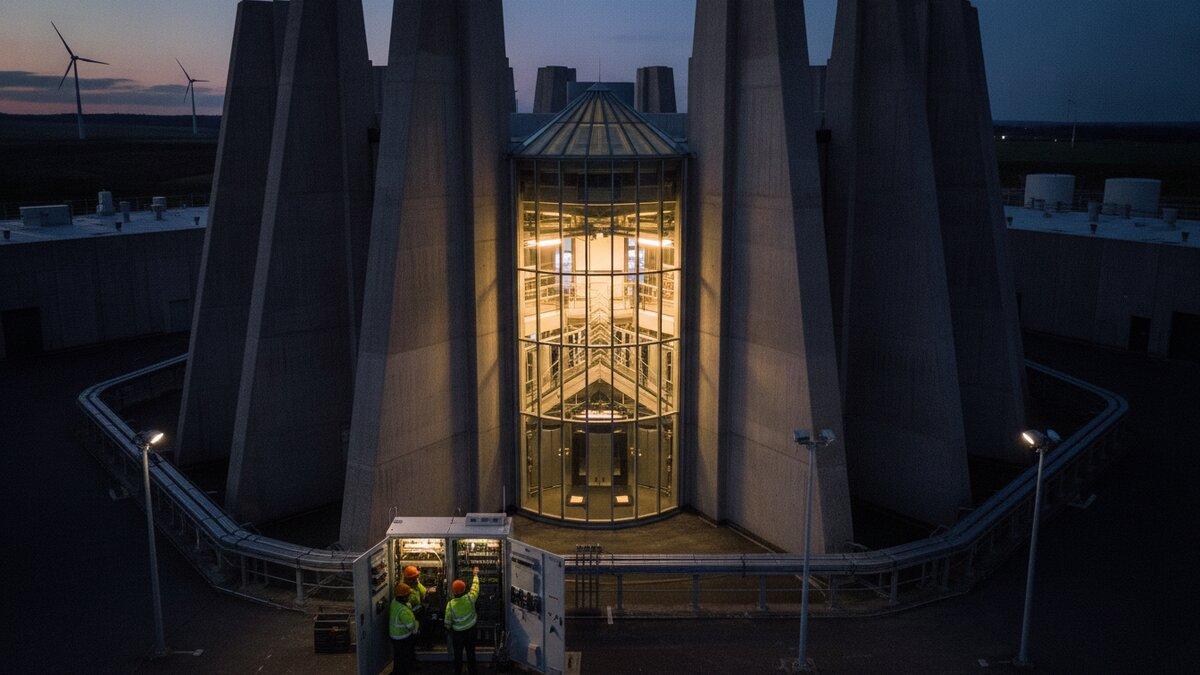
DataVita has revised its energy plan for a major AI data center near Glasgow, saying the site will be fully served by the National Grid rather than powered directly by a promised 1 gigawatt of renewable energy.
The company says electricity drawn from the grid will be largely renewable. It has also said solar and wind farms could connect to the Chapelhall development in the future, but has not presented that as the project’s current supply arrangement.
From renewable-power pledge to grid connection
DataVita had said the Lanarkshire project would draw 1GW from green sources, a volume comparable to the output of a small nuclear reactor or Britain’s largest wind farm. The company later qualified the pledge, saying it depended on commercial agreements, planning, grid access and consent.
Its revised plan describes the data centers as “fully grid served.” That makes the National Grid the project’s supply route, while the company’s renewable claim now rests on the composition of electricity available through the grid and the possibility of future renewable connections.
The change leaves a distinction between using grid electricity that is largely renewable and securing dedicated renewable generation for the site. The information released does not quantify the share of the data center’s power expected to come from renewable sources.
Local demand and emissions
A large AI data center would add electricity demand in the area, but the project’s expected consumption from the grid beyond its earlier 1GW renewable-power claim has not been specified. The revised arrangement therefore does not establish how much additional power the development would require locally.
Its emissions would depend in part on the electricity mix supplying the grid and any renewable generation connected to the site. DataVita says grid power will be largely renewable, but the revised plan gives no emissions estimate.
The company has described the development as a potential economic transformation for Chapelhall, outside Airdrie. It also continues to receive £202 million in wealth guarantees from Britain’s national wealth fund.