Zomato Founder Deepinder Goyal Apologizes to Doctors Over Temple Post
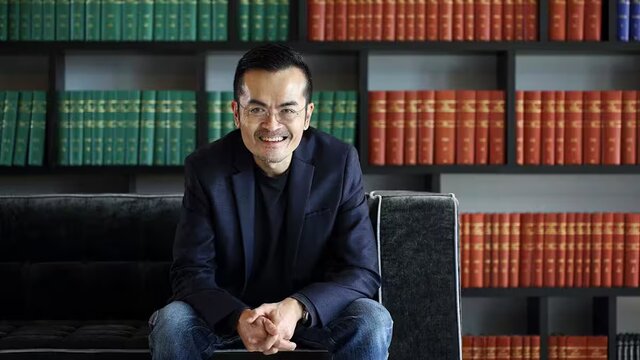
Deepinder Goyal apologized to Indian doctors after a combative post about criticism of Temple, his health wearable. He said he should not have grouped all doctors together and narrowed his frustration to a few doctors he described as influencers. The dispute centers on requests for peer-reviewed evidence supporting the device’s health claims.
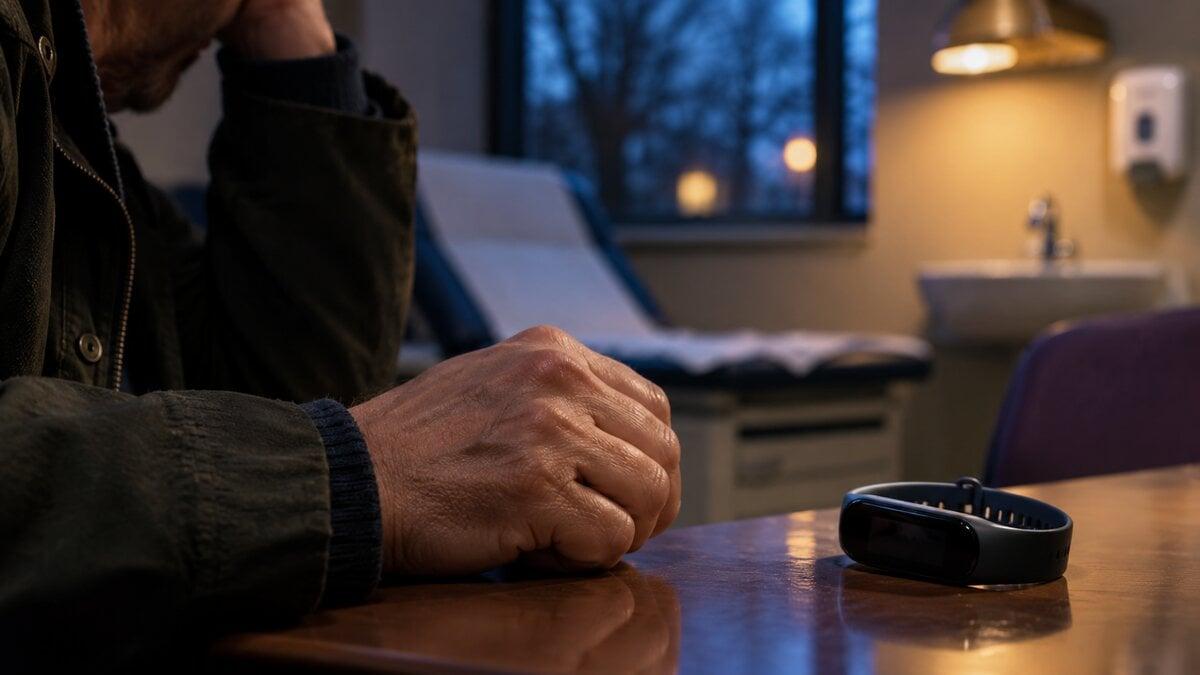
Zomato founder Deepinder Goyal apologized to Indian doctors on November 7, 2026, after a combative post about criticism of his health wearable, Temple. Goyal said he should not have grouped all Indian doctors together and aimed his frustration at a few doctors he described as influencers.
“I should not have bucketed all Indian doctors into one single box,” Goyal wrote. He added that Temple works with many doctors, including his elder brother.
In his apology, Goyal said his frustration was directed at “a few influencer doctors, who are more influencers than doctors.” He accused them of skipping Temple’s research and distorting facts to call the device a scam.
The apology reversed the tone of a seven-point post titled “Dear Concerned Indian Doctors,” which Goyal published the previous night. That message ended with “keep raging”; his apology closed with Diwali greetings and an invitation to “keep building.”
Goyal argued in the earlier post that Temple could not be a scam because it offers a 14-day, no-questions-asked return window. He said the policy was more generous than one offered by Apple in India.
He said Temple had cost $30 million to build, including $20 million of his own money. Selling a few thousand units would recover only a small part of that investment, he wrote.
Goyal also said employees had bought into a funding round a few months ago, while customers made up most of the current round. He pointed to Whoop, which shipped its band in 2015 and published validation years later, as an example of a company publishing evidence after launch.
Temple is a small, bean-shaped wearable that sits near the superficial temporal artery and attaches with medical-grade tapes. It tracks heart rate, heart-rate variability, sleep and VO2max, and includes a measure called Entropy, which the company says reflects how hard the body works to shed heat.
The device also acts as a voice AI companion without a microphone. Motion sensors detect vibrations from the wearer’s voice and convert them to text; Goyal calls the approach “roomdeaf” audio.
Goyal said Temple will publish preprints before peer-reviewed papers. The device’s main critics have called for peer-reviewed data, while Goyal says independent studies will follow once users receive it.
In a separate note, Goyal said he stepped away from the CEO role at Eternal, Zomato’s parent company, to work on Temple full-time. Pre-orders are open, and Temple 01 is set to ship in early 2027.