Data centre industry faces US voter backlash and tighter scrutiny
US voters rejected nearly every data centre restriction put to ballots across 10 states, while Democrat Gina Hinojosa won the Texas governor’s race after…
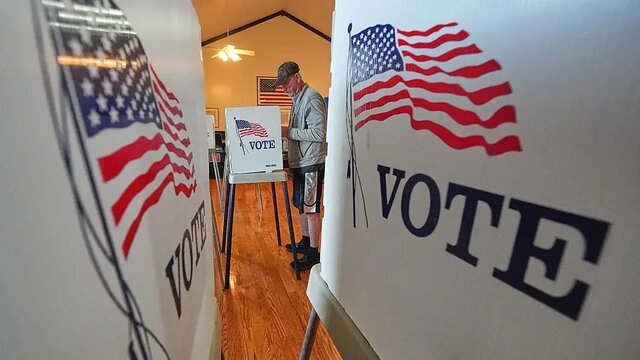
US voters rejected nearly every data centre restriction put to ballots across 10 states in the midterm elections, turning the data centre industry into a political target as the AI boom drives demand for new facilities. In Texas, Democrat Gina Hinojosa won the governor’s race after calling for a ban on data centre construction.
The results put new pressure on an industry with major projects planned in Texas, a state described as having the largest pipeline of data centre construction. Hinojosa’s position could affect that buildout and sharpen debate over how much local communities should bear the costs of expanding AI infrastructure.
What did voters decide about the data centre industry?
Voters considered about 41 proposals across 10 states, and all but one were on track to lose for the industry, according to the election account. The Guardian reported that voters approved nearly every data centre moratorium on ballots, with Hardwood, North Dakota, the notable exception.
Local decisions included at least 14 municipalities in Ohio approving bans or restrictions on development. Eight municipalities in Maine passed temporary moratoriums, while voters in Emporio, Kansas, approved a ban on high-impact facilities.
The issue also shaped state-level races. Hinojosa has promised to impose restrictions in Texas. Keisha Lance Bottoms, elected governor of Georgia, and Amy Acton, elected governor of Ohio, have also pledged moratoriums on large data centres, according to the reported election results.
Opposition had become a bipartisan issue. In the campaign, five per cent of political television ads mentioned data centres, and most were negative. In Wisconsin, the topic appeared in as many as 14 per cent of political ads, reflecting its prominence in places where construction has become a local flashpoint.
Why are communities resisting new facilities?
An NBC News exit poll found that three-quarters of voters opposed building data centres in their communities. More than 50 per cent said the issue was crucial or major to their vote, even though corruption, cost of living, immigration and the Iran War ranked higher overall.
That opposition raises practical questions for developers and residents. The election coverage pointed to concerns about environmental effects, energy bills, noise and the scale of construction. Those local impacts have made data centres more visible in politics as facilities expand to support AI and other online services.
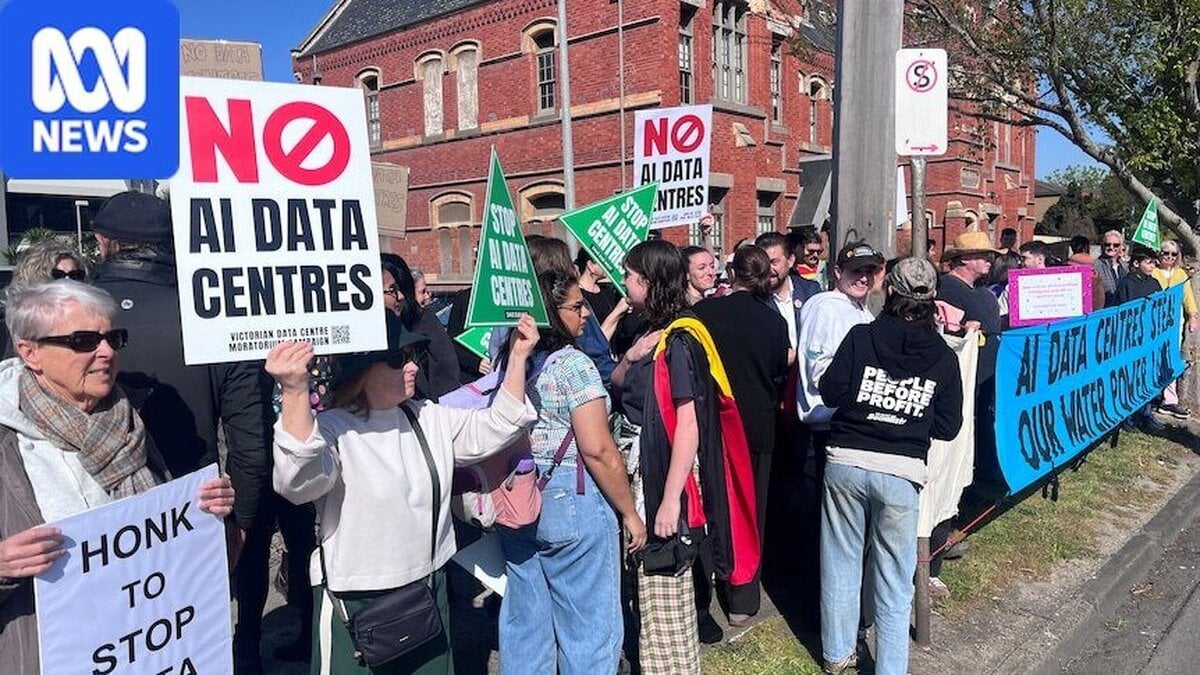
The industry’s political profile changed quickly. Two years earlier, data centres were not a political issue, according to the ABC account. By the end of the midterms, candidates from both major parties were opposing construction, while President Donald Trump remained a vocal supporter.
That shift matters beyond election campaigns. If local opposition translates into restrictions or delayed approvals, planned projects could face greater uncertainty. For communities, the dispute is about whether the benefits of new infrastructure justify its demands on energy, water and land; for companies, it is about securing permission to build.
What could the US results mean for Australia?
Australian political leaders are watching the results, but the scale of the two markets differs sharply. Data Centres Australia puts the combined capacity of the country’s 163 existing facilities at about 1.6 gigawatts. One estimate puts US capacity at around 50 gigawatts.
Australia has seen a surge in construction and proposals for a newer generation of larger facilities, but its overall buildout remains much smaller than the US expansion. That distinction limits direct comparisons while leaving the political question relevant: local debates about the costs and benefits of data centres may intensify as more projects are proposed.
The election offers a clear signal to companies seeking approval in the United States: public resistance has become an issue candidates can campaign on. In Australia, the capacity of the existing network stands at about 1.6 gigawatts.