Major Australian retailer David Jones enters administration
David Jones has entered voluntary administration after years of financial pressure, putting about 6,000 jobs at risk. Its stores and online business will keep…
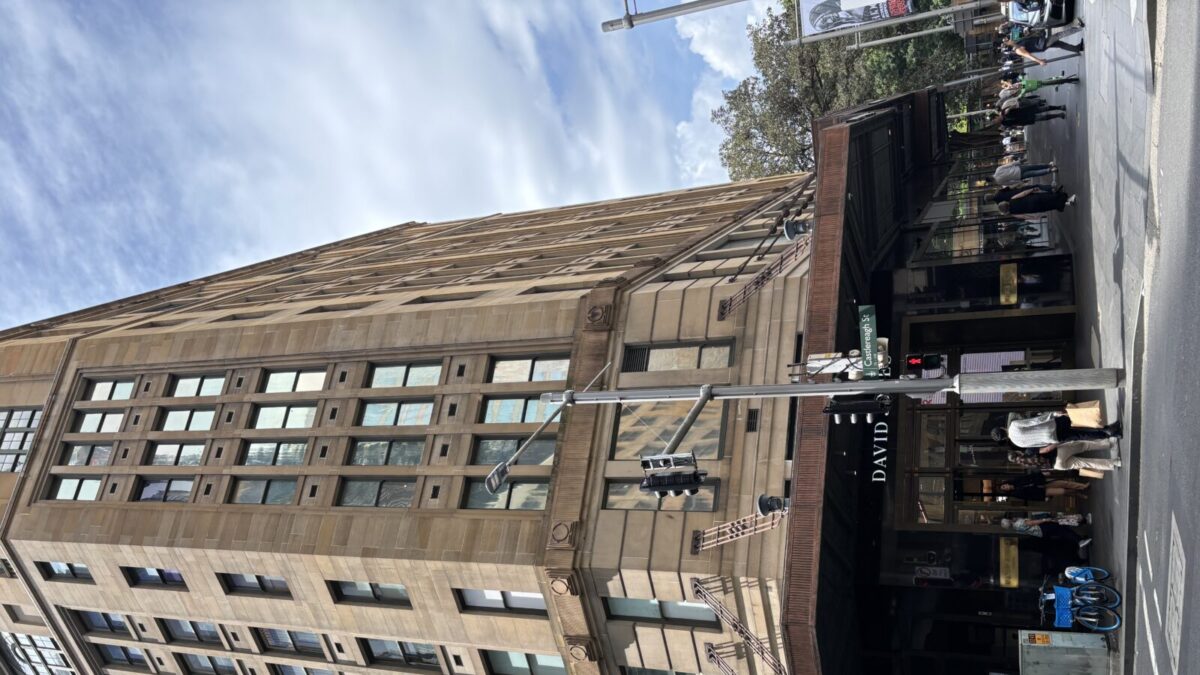
David Jones, a major Australian retailer, entered voluntary administration in Australia on November 5, 2026, putting about 6,000 jobs at risk after years of financial struggles. The 188-year-old department store chain will keep its physical and online stores operating while administrators review the business.
The move gives the company time to consider a restructuring, while leaving staff and customers facing uncertainty over what comes next. David Jones has 38 physical stores, including 17 in Westfield shopping centres.
Voluntary administrators McGrathNicol said receivers FTI Consulting would review the company. Chief executive Erica Berthold said the brand had a “well-developed plan” to “reset the business for the future”.
“David Jones is an iconic company and so many Australians have stories and memories of visiting DJ's stores,” Berthold said. She also thanked customers, employees and business partners for their continued support.
Why did David Jones enter administration?
David Jones has faced years of financial pressure as customers move from traditional shops to online shopping. FTI Consulting’s Christopher Hill cited conditions across retail, rising costs, an outdated store footprint and supply chain challenges.
“We understand the current retail trading environment, rising costs, a significant and outdated retail footprint, and supply chain challenges have led to this point,” Hill said.
There was also a dispute over rent. Scentre, the owner of Westfield, said David Jones had not paid its October rent hours before the retailer’s board voted to enter administration. Scentre said the missed payment put the company “in breach” of its tenancy agreement.
For shoppers, continued trading means stores and online orders remain available during the review, but the administration places the retailer’s future operations under scrutiny. The potential consequences extend to employees across its 38 stores and the wider business as administrators assess whether restructuring can keep the chain operating.
What does the administration mean for the retailer?
Hill said appointing administrators and receivers would give David Jones “breathing space” and an opportunity to restructure. The review will determine how the company addresses its costs and store network while continuing to trade.
The chain’s difficulties also mark a shift for a retailer long associated with premium shopping and its black-and-white houndstooth design. Jana Bowden, who teaches marketing at Macquarie University's Business School, said the collapse signalled the “death knell” for the department store format.
David Jones once drew families to its flagship stores in Sydney and Melbourne, including for Christmas window displays. Bowden said people travelled from hours away to see them, but she described the brand as having lost its shine in recent years.
She said city stores retained an upper-end image, while suburban locations were “mundane” and lacked excitement. The contrast reflects the challenge facing a retailer trying to reposition a large physical network as customers increasingly shop online.
David Jones employs about 6,000 staff and operates 38 physical stores.