Trump-linked Tokens and Data Centers Fall After Midterms
Linked crypto tokens and shares in data-center companies fell after Democrats won control of Congress and Gina Hinojosa won the Texas governor’s race…
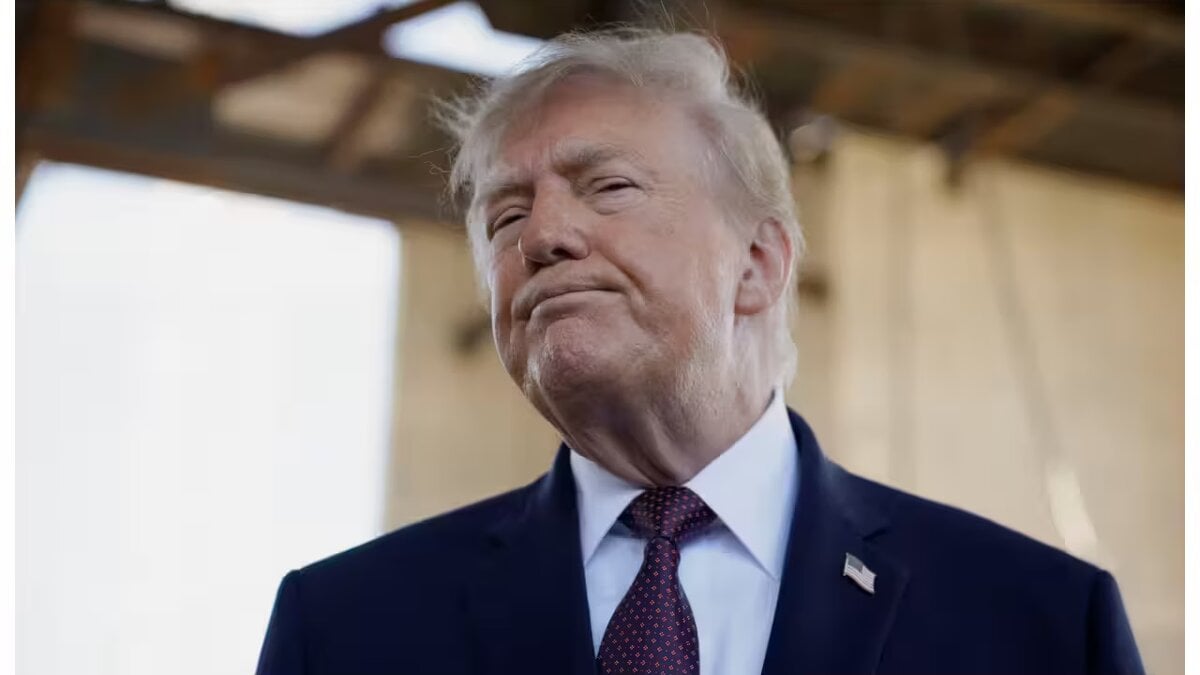
Trump-linked tokens data center investments fell after Democrats took control of Congress and Gina Hinojosa defeated Greg Abbott in Texas, prompting investors to reassess the outlook for AI infrastructure. WLFI tokens dropped about 6% and Trump’s memecoin declined about 19% in the last 24 hours, according to CoinGecko.com data cited by the companies’ market coverage.
The selloff reached crypto, equities and plans to convert Bitcoin-mining facilities into AI campuses. Companies with major Texas projects face particular uncertainty: the state accounts for nearly 30% of US data-center capacity scheduled to come online in 2028, according to research firm SemiAnalysis.
Why did Trump-linked tokens and data center stocks fall?
Investors reacted to the Democrats’ midterm gains and the prospect of tougher scrutiny of data-center construction. Hinojosa campaigned for a pause on new projects until Texas adopts stronger rules, while Democrats’ control of Congress adds political pressure around AI infrastructure.
Trump Media & Technology Group shares fell 25%, while DJTU, an exchange-traded fund offering leveraged exposure to the company, declined almost 50%. The market moves also hit businesses whose valuations have been tied to plans to repurpose mining facilities for computing.
Shares of Galaxy Digital, led by Michael Novogratz, lost nearly 17%. Hut 8 fell 23%, and MARA Holdings declined about 4%. Cipher Digital, Core Scientific and IREN each dropped at least 10%.
Noelle Acheson, who writes the Crypto is Macro Now newsletter, linked the moves to reduced political support and possible investigations. She also said mining stocks were reacting to a changed outlook for data-center construction.
Texas rules could reshape project plans
The election puts Texas policy in focus because the state represents the largest share of data-center capacity due to come online in 2028. Hinojosa’s campaign platform advocated for an imminent moratorium, raising the prospect that developers could face delays as they seek to expand computing capacity.
Those delays carry a direct financial risk for builders. Matthew Hougan, chief investment officer at Bitwise Asset Management, said a slower construction pace could leave AI-focused cloud companies paying financing costs while revenues arrive later. He compared the pressure to an apartment project delayed during construction, with expenses continuing before income begins.
Brian Dobson, managing director of disruptive technology equity research at Clear Street, said a change in political control in Texas could bring additional data-center regulations. In his view, those rules may benefit established companies with strong records as corporate citizens.
For investors, the immediate concern is whether planned projects can proceed on schedule and whether financing costs keep accumulating while developers wait. The state’s sizable share of planned capacity means changes to Texas rules could affect a significant part of the US construction pipeline.
Some analysts see a possible overreaction
Not all market watchers believe the election results will weaken every company involved. Adam McCarthy, head of research at trading firm LO:TECH, said the selloff appeared excessive because mining companies already have infrastructure that they have been repurposing for AI-related work.
McCarthy argued that stricter limits on new AI construction could make existing facilities more valuable. That view contrasts with the concern that project delays would raise financing costs and postpone revenue. The competing assessments leave the focus on how quickly Texas policy changes and construction plans take shape.
World Liberty Financial, co-founded by Donald Trump, declined to comment on the token’s price drop. Spokesman David Wachsman said the company had complied with US laws and regulations since its launch and objected to what he described as the possibility of Congress targeting a compliant business without basis.
“It’s troubling that Congress might baselessly target a compliant company that has dedicated itself to expanding access to the US dollar,” Wachsman said.