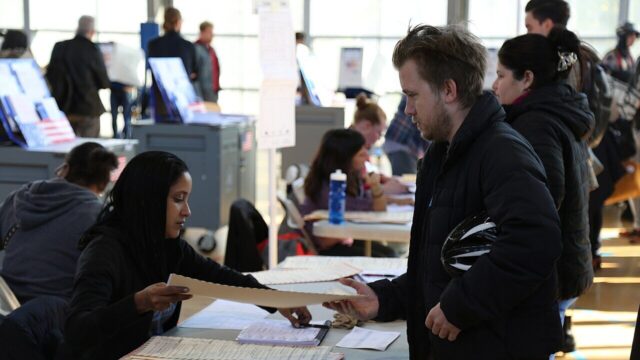
Top Senate race states face steeper gas and grocery costs
Households in several closely contested Senate states are seeing fuel prices rise faster than the national average, while grocery costs take a larger share of…
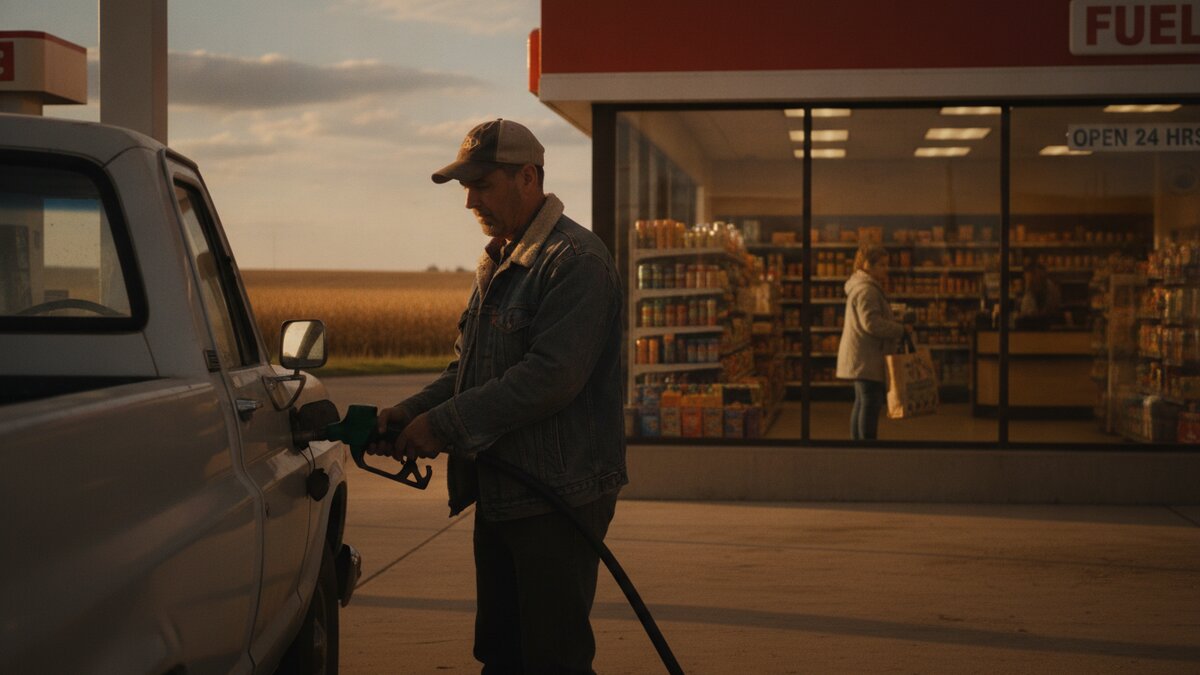
Gas prices have climbed nearly 55% in Iowa and Nebraska since late February, making household costs a sharper issue in top senate race states on Election Day. Nationally, the average price of a gallon of gas rose 40% over the same period.
The increases are landing as voters weigh the economy in close Senate contests. More expensive fuel is also adding to transportation costs for groceries and retail goods, while households in several competitive states spend a larger share of monthly income on groceries than shoppers elsewhere.
Gas prices climb faster in closely watched states
The average U.S. price for a gallon of unleaded gas was $2.98 before the attacks on Iran on Feb. 28. By Monday, it had reached $4.16, according to NBC News’ gas price tracker.
Iowa and Nebraska each recorded a rise of nearly 55% since late February. Kansas saw prices increase 53%. All three states backed President Donald Trump in 2024, but their Senate races are competitive this election cycle.
Democratic candidate Josh Turek is challenging in Iowa, while independent Dan Osborn is running in Nebraska. In Kansas, Democrat Adam Hamilton is seeking the seat. The races will be closely watched as votes are counted.
Michigan has also seen a large jump: gas rose 51%, from $2.99 in February to $4.52 on Monday. Democrat Abdul El Sayed is facing Republican Mike Rogers there.
Prices in Ohio are up 48%. Democratic former Sen. Sherrod Brown is challenging Republican incumbent Jon Husted. In Maine, gas costs 46% more than before the war, adding pressure for Republican incumbent Sen. Susan Collins as Democrat Troy Jackson competes for the seat.
Why have fuel costs stayed high in some areas?
National prices moved lower during October, but that decline did not reach every region. Refinery activity can shape local fuel costs, especially around the Great Lakes, where facilities serving Michigan, Ohio and Iowa may struggle to restore supply after weather events or capacity problems.
“When you’re isolated in the interior of the country, these problems can linger as long as the refinery is experiencing issues,” said Patrick De Haan, chief petroleum analyst at GasBuddy.
The regional gap matters for drivers who depend on cars and cannot easily avoid local price increases. Kathy DiCristofaro, a retired resident of Youngstown, Ohio, said the expense has changed her plans: “We aren’t going very many places,” she said. “We’re retired and have had to cancel trips.”
Groceries add to the pressure on household budgets
Fuel is only part of the squeeze. Higher oil prices overseas have raised transportation costs for food and retail goods, while a WalletHub study found that average households in several states with tight Senate races spend more of their monthly income on groceries than shoppers elsewhere in the country.
Three Ohio cities—Cleveland, Toledo and Cincinnati—rank among the 10 most cost-burdened cities for groceries in America. Detroit is also on the list, along with Hialeah, Florida, where the state’s gubernatorial and Senate races are competitive.
Economic strain is central to voters’ decisions. More than half of Republicans, 53%, said they were dissatisfied with the state of the economy in the latest NBC News poll. The contest for Senate control remains close, with analysts warning that any of the competitive races could tip either way as votes are counted.