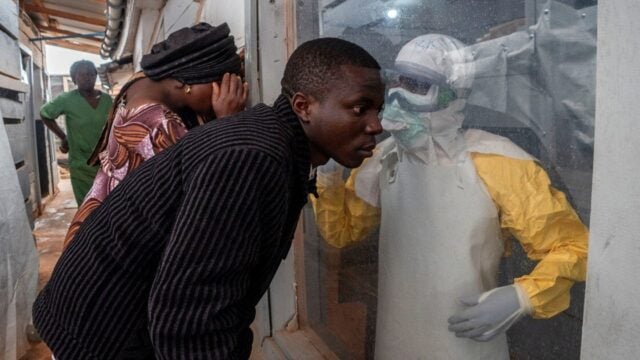
Bird flu kills resident after exposure at Washington dairy
A Yakima County resident in Washington state has died after contracting bird flu through exposure to infected cattle at a local dairy facility, public health…
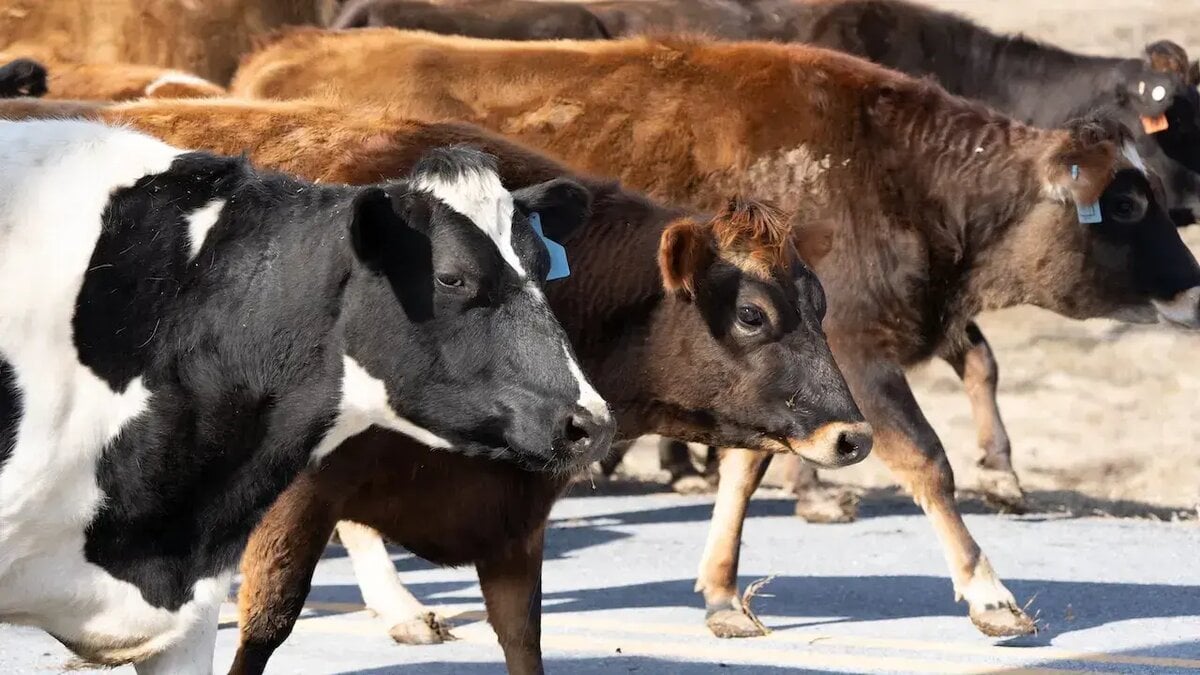
A Yakima County resident in Washington state died from bird flu after exposure to infected cattle at a local dairy facility, public health officials confirmed on Tuesday, November 3. The death marks a rare fatal human case in the United States, while officials say the risk to the general public remains low.
The patient had underlying medical conditions and was hospitalized with severe illness. Local officials have not released the person’s name, age or gender, citing privacy concerns.
Health officials also confirmed a third human case of avian influenza in Yakima County. That person had contact with infected dairy cattle at a local farm, but has not been hospitalized and has not experienced severe illness.
Public health teams are tracing and monitoring close contacts of both individuals for symptoms. The cases place attention on exposure risks for people who work around infected livestock, even as officials report low risk for the wider community.
How were the residents exposed to bird flu?
Both individuals had exposure to infected dairy cattle in Yakima County. The fatal case followed direct exposure at a local dairy facility, while the third case was linked to infected cattle at a local farm.
The Yakima Health District urged dairy and agricultural workers to take precautions and contact health authorities if symptoms develop after exposure to infected cattle. The district said people at greater risk include dairy workers and others with close or prolonged contact with infected animals or environments contaminated with the virus.
“Our hearts go out to the individual's family and loved ones during this difficult time,” Dr. Dave Atteberry, health officer for the Yakima Health District, said in a statement.
Atteberry said avian influenza can cause severe illness, particularly among people with underlying health conditions. “While this is a serious and heartbreaking outcome, the risk to the general public remains low,” he said.
That distinction matters for people beyond the farms: officials are urging caution around infected animals, not reporting a broad public threat. Health authorities advise people to avoid handling sick or dead wild birds and livestock. Workers who develop symptoms after possible exposure should contact a healthcare provider or the Yakima Health District.
Who faces the greatest exposure risk?
Dairy workers, agricultural workers, veterinarians and others with close, prolonged contact with infected animals or contaminated environments face greater exposure risk, according to health officials. Raw milk and contaminated manure are also identified as potential sources of exposure.
Bird flu infections in humans can range from mild to severe. Symptoms reported in recent farm-related cases include eye redness, discharge or inflammation; severe illness can involve shortness of breath or difficulty breathing.
Federal and state health officials say person-to-person spread of bird flu is extremely rare and has not been identified in the United States. Commercial pasteurized milk and properly cooked poultry remain safe to consume because heat kills the virus.
Public health investigators continue monitoring close contacts as they check for symptoms and work to prevent further spread. The third confirmed Yakima County case has not required hospitalization.