Hackers Heat Supermarket Fridges Across Europe, Spoiling Food in More Than 100 Stores
Temperatures in some European supermarket fridges climbed to 50°C as a new cyberattack wave disrupted more than 100 stores across the region. Retailers disca...
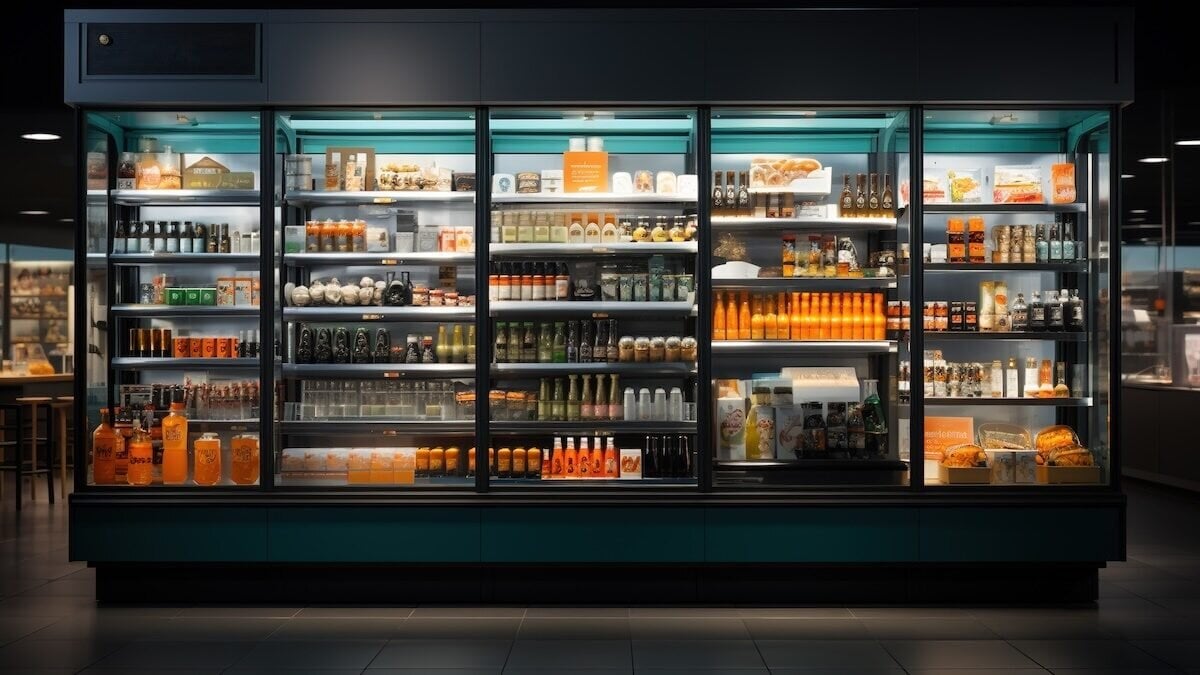
Temperatures in some European supermarket fridges climbed to 50°C as a new cyberattack wave disrupted more than 100 stores across the region. Retailers discarded chilled and frozen food after refrigeration units were remotely set to warm, with incidents reported in at least nine countries.
The affected businesses included Delhaize stores in Belgium and Luxembourg, five Spar outlets in Belgium, and branches of Coop Sweden, ICA and SuperValu. Retailers in Belgium, Estonia, Finland, Ireland, Italy, Luxembourg, the Netherlands, Portugal and Sweden reported problems. Some shops temporarily closed or operated with empty cold shelves.
Remote changes to refrigeration controls
The incidents occurred overnight from Sunday to Monday and resembled a wave that hit France about three weeks earlier. In that earlier attack, around 700 supermarkets were affected after refrigeration units were switched into defrost mode, spoiling food and reportedly causing fires.
In the latest incidents, hackers appear to have changed settings remotely, pushing fridges and freezers to unusually high temperatures. Danfoss said its refrigeration controllers were involved again. The company and its partners have pointed to outdated or end-of-life software, while security researchers have found that some related control interfaces remain accessible over the internet.
The precise method used in the latest wave has not been established. No one has claimed responsibility, and investigators have not determined whether the attacks are connected to the earlier incidents.
Stores restored, food losses remain
Ahold Delhaize said dozens of its Delhaize stores experienced refrigeration problems on Monday. Food had to be thrown away, but the company said conditions had returned to normal and the stores were fully operational. Colruyt Group said five Spar stores in Belgium were targeted. SuperValu also confirmed that a specific refrigerator model used in its stores was affected and removed chilled and frozen products from shelves.
Belgian prosecutors opened an investigation. The incidents have raised concerns about food security and the risks of connecting essential commercial equipment to remote-control systems. Refrigeration failures can quickly turn a technical breach into spoiled stock and disrupted shopping, even when stores remain open.
More than 100 stores were affected in the latest wave.