Oil Inches Higher Markets? Crude Sinks Below $90
U.S. crude settled at $88.12 a barrel Wednesday after falling more than 8%, as traders weighed hopes for an end to the Iran war against constrained fuel…
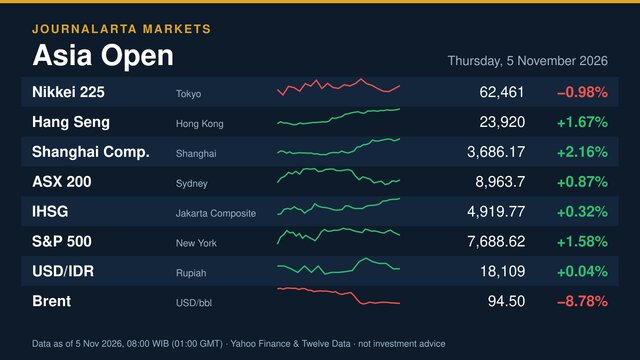
Oil inches higher markets? Not this time. West Texas Intermediate crude settled at $88.12 a barrel on Wednesday, after dropping more than 8% in a day as traders weighed hopes for an end to the Iran war against constrained fuel supplies.
The move leaves crude on track for its worst week since April 2020. WTI fell $16 from Friday’s close of $104, and its three-day decline of about 15% was the steepest since November 2021. Brent, the global benchmark, was near a two-month low.
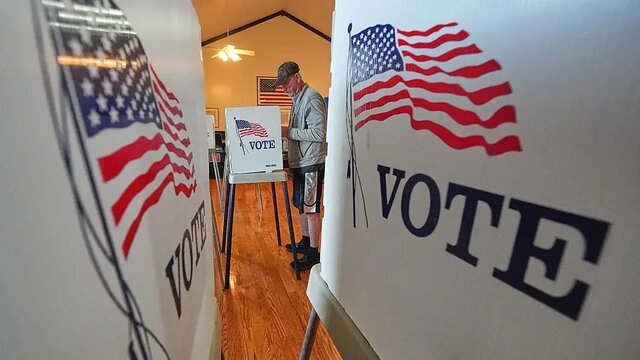
Traders began pricing in a possible end to the conflict after Democrats swept Tuesday’s elections. That expectation pushed oil lower, even though a diplomatic outcome remains uncertain and fuel stockpiles remain tight.
Why did oil prices fall?
Markets read the election result as potential pressure on the president to pursue a faster end to the war. “The election results may pressure the president to seek to end the war more quickly,” the Wells Fargo Investment Institute wrote Wednesday.
The shift is a bet, not a settled outcome. Mark Hackett, Nationwide’s chief market strategist, said oil was retreating “on hopes for a deescalation in the Iran conflict, even as the diplomatic signals remain ambiguous.”
The distinction matters for consumers and energy businesses. Lower crude prices can ease pressure on fuel costs, while the weakness in gasoline futures points to a possible reduction in prices further along the supply chain. But the war has also constrained gasoline and diesel supplies, limiting how far optimism about a peace deal can run ahead of actual supply changes.
What does the oil slide mean for fuel supplies?
U.S. diesel stockpiles are at their lowest level since 2003, and Wells Fargo said gasoline and diesel supplies “remain constrained by the war.” That leaves the market balancing expectations of lower conflict risk against an immediate shortage of some refined fuels.
Gasoline futures were on track for their lowest close since March 10. The fall offers potential relief for drivers, while the supply squeeze means crude’s drop alone does not establish how quickly fuel prices will respond.
The broader energy market also weakened. The Energy Select Sector SPDR Fund was down more than 5%, while refiners Marathon Petroleum and Valero fell about 8% to 10%. Their declines show that investors were marking down energy-related assets alongside crude.
How does this compare with past election moves?
Oil’s response to elections involving Donald Trump has varied. Crude rose about 10% from Election Day through the end of November after his 2016 win, and about 20% after his 2020 loss. It fell about 6% after his 2024 win.
The closest comparison in the account is 2018, when Democrats took the House during Trump’s first midterm. Crude fell about 18% from Election Day through the end of November that year.
The latest sell-off has not erased the surge tied to the war. WTI began 2026 near $57 a barrel and reached nearly $113 on April 7. Even after the recent retreat, it remains roughly 50% above its level at the start of the year.