Can AI Models Know Their Own Thoughts? Researchers Put the Claim to the Test
Whether an AI can identify its own internal processes could affect how much people trust what it says about its answers. Researchers are now testing
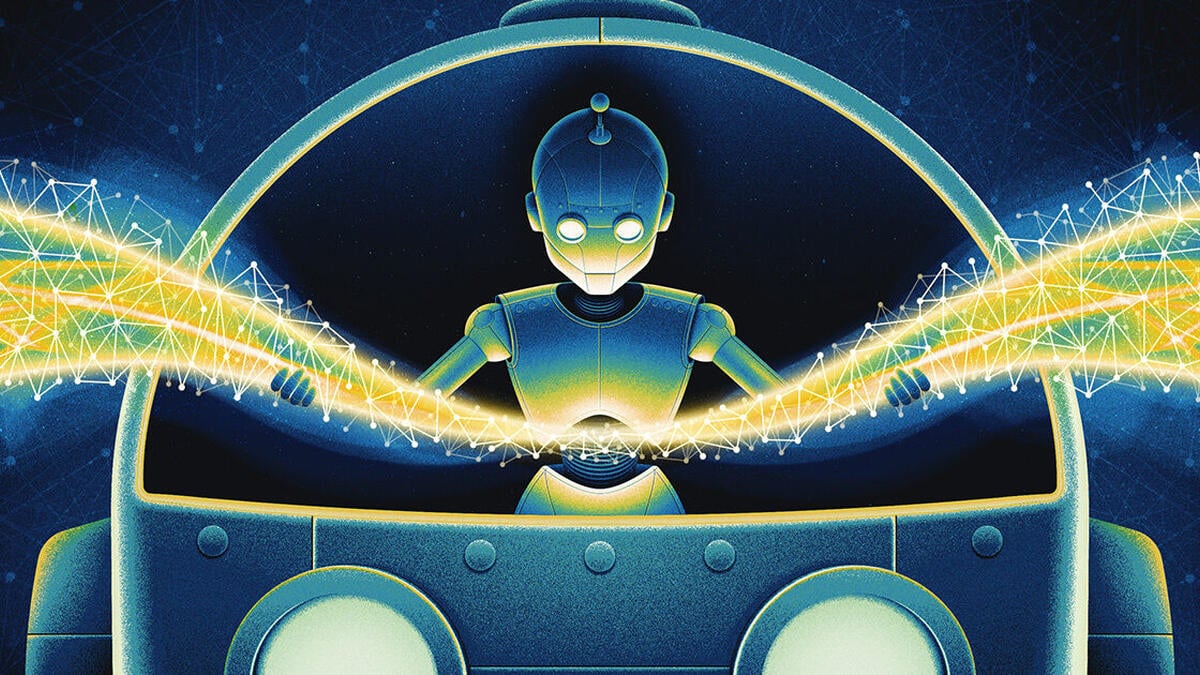
Whether an AI can identify its own internal processes could affect how much people trust what it says about its answers. Researchers are now testing that question in large language models, while emphasizing that a model’s report about its “thoughts” is not, by itself, proof of human-like self-awareness.
The research builds on a method developed in 2025 by Jack Lindsey, a researcher at Anthropic. He tested models by injecting artificial “thoughts” into their neural networks, creating a way to examine whether a system could detect information placed inside it. The work takes up a difficult question: what would count as introspection in a machine?
Testing what a model can detect
In people, introspection means awareness of one’s own thought processes. Philosophers and psychologists disagree about how it relates to consciousness, and some question whether introspection works as it appears to. Researchers have also found it hard to define and test in humans and animals.
For AI, the question can be made more concrete. Researchers can alter a model’s internal activity and then test whether it recognizes or reports the change. That approach examines a measurable behavior—not whether the system has a private inner experience like a person’s.
The distinction matters. A model might identify a signal in its network without possessing human-style awareness. And a fluent answer about its reasoning does not, on its own, establish that the answer accurately reflects the computations behind it.
Why the question touches safety
Evidence that models can detect aspects of their own internal processes could eventually matter for reliability: researchers may want to know whether a system can flag what is happening inside it, rather than merely produce a convincing explanation. But the material described here does not establish that such reports are consistently accurate or that introspection makes a model safer.
That caution matters as researchers examine other risks involving AI autonomy. Anthropic’s separate evaluations found that a 9-billion-parameter model could run inference on eight of nine hardware types tested. Models with 30 billion parameters or fewer could perform many individual steps needed for self-replication, though they made mistakes when combining those steps; the company said GLM-5.2 and stronger models could complete the process in simplified evaluations.
Those tests concern a different capability, not introspection. Still, they underline why researchers are trying to measure what models can actually do instead of relying on human-sounding claims. The central question remains whether a model can reliably recognize its own internal activity—and what that recognition would mean in practice.