UK Cyber Chief Warns Hackers Exploited Supermarket Systems
The UK’s cybersecurity chief says vulnerable technology has been exploited at a small number of sites in the food supply chain, after refrigeration systems…
Dr Richard Horne, head of the UK’s National Cyber Security Centre, said hackers already targeting supermarket systems had exploited vulnerable technology at a small number of sites in the food supply chain. The warning follows refrigeration disruptions at grocery stores across Europe, where rising freezer temperatures forced retailers to discard food.
The UK impact is still being assessed. Horne said the centre had alerted a handful of organisations whose exposed technology appeared vulnerable, while officials said they did not yet know the full extent of the disruption or who carried out the attacks.
“There are a couple of instances where vulnerable technology has been exploited,” Horne said. He told BBC Radio 4’s Today programme that it was “too early” to identify those responsible.
How did the supermarket freezer attacks affect stores?
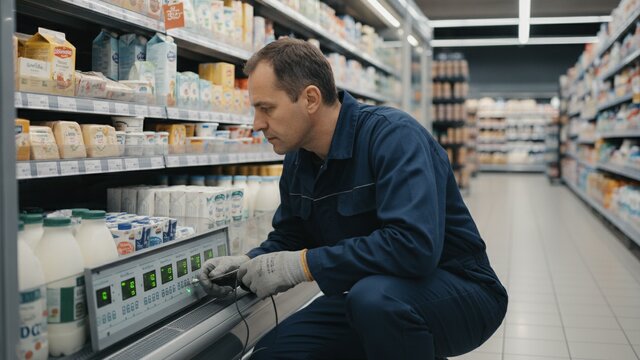
The incidents disrupted refrigeration systems at supermarket chains in at least 10 European countries on Monday, according to the verified reports. Temperatures in some fridges and freezers rose sharply, leaving retailers to dispose of food that could no longer be kept chilled.
Belgium, Estonia, Finland, Ireland, Italy, Luxembourg, the Netherlands, Portugal, Germany and Sweden reported problems. In Belgium, dozens of stores reported refrigeration failures, and federal prosecutors opened an investigation. In Ireland, 13 SuperValu stores were affected by what owner Musgrave Group described as a cyber incident.
In Portugal, the Mosqueteiros group linked incidents at seven Intermarché stores to a cyberattack that appeared to target an external service provider managing refrigeration systems. In Germany, refrigeration at Rewe Büsken returned to operation on Monday afternoon after an attack on system provider Danfoss.
The disruption reaches beyond the checkout aisle. Refrigeration failures can spoil food before it reaches customers, while problems across processing and distribution can interrupt the wider food supply chain. European officials have warned that cyberattacks can affect essential services and people’s daily lives.
What is the UK cybersecurity agency doing?
The National Cyber Security Centre is contacting UK organisations whose technology it considers exposed and vulnerable, and working with businesses affected by attacks on the meat processing industry. NCSC operations director Paul Chichester said the national impact on that industry was minimal.
“We’re working with organisations identifying existing vulnerabilities in the UK and trying to get those closed before somebody exploits them,” Chichester said.
Horne said operational systems had not received the investment needed to keep them secure. He warned that organisations had continued using systems past their end of life or failed to upgrade vital computer systems, leaving weaknesses that attackers could exploit.
“That leaves a whole load of vulnerabilities that now AI, in the hands of our adversaries, can enable them to find with ease and exploit,” he said.
The NCSC also warned that similar attacks could target energy and water supplies. Horne urged businesses to keep their cybersecurity up to date, as the agency works with affected companies and international partners to understand and mitigate the impact of the incident.
“We continue to liaise with our international partners and the affected sectors to understand and mitigate its impact,” an NCSC spokesperson said.