Keisha Lance Bottoms wins Georgia governor’s race
Keisha Lance Bottoms defeated Republican Rick Jackson to win Georgia’s governor’s race, flipping the office to Democrats for the first time in 24 years. Her…
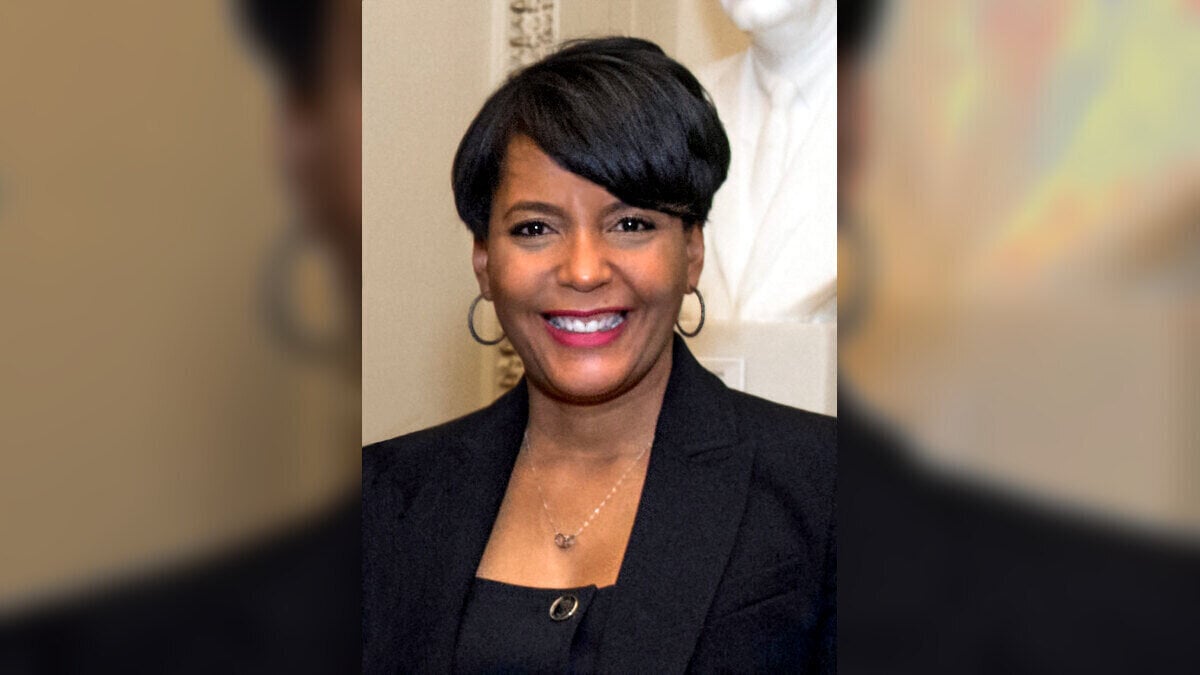
Democrat Keisha Lance Bottoms has won the Georgia governor’s race, defeating Republican Rick Jackson and flipping the office to Democrats for the first time in 24 years. Her victory makes her the first woman and first Black person elected governor of Georgia, as well as the first Black woman governor in the United States.
The result shifts control of a battleground state office and marks a major gain for Georgia Democrats. Bottoms, a former Atlanta mayor and former Biden administration official, overcame a large financial disadvantage against Jackson, a healthcare executive who put more than $100 million of his own money into his campaign.
Bottoms will succeed Republican Gov. Brian Kemp, who is barred from seeking another term. The win follows a campaign in which she focused on affordability and economic issues while challenging Jackson over his positions and his connections to President Donald Trump.
It was a costly contest.
Jackson had often compared himself to Trump during the Republican primary campaign. Bottoms later used his own remarks against him, including during their only general-election debate last month, when she criticized him for having “said he wants to be Trump’s favorite governor.”
She also sought to link Jackson to Trump’s efforts to cast doubt on the 2020 election results. The issue remains politically significant in Georgia, where the FBI seized election records related to the 2020 election this year. The state’s governor will have a key role in certifying the 2028 presidential election results.
Jackson declined during the primary to say who won the 2020 election. Before facing Bottoms in the general election, he acknowledged Joe Biden’s victory.
What does the victory mean for Georgia?
Bottoms’ win ends a long stretch without a Democratic governor: Georgia voters had not elected one since 1998. It gives Democrats control of the state’s top office even as the state has continued to lean Republican in state-level elections.
That change carries practical weight for the next presidential election. The governor’s role in certifying the 2028 results places the office at the center of election administration, an issue sharpened by disputes over the 2020 vote and the seizure of related records.
Bottoms also tied her campaign to Democratic Sen. Jon Ossoff, who was seeking re-election this year. Ossoff held several “United for Georgia” rallies with her, and his campaign transferred millions in cash to the Democratic Party of Georgia’s coordinated campaign to support her.
National Democrats rallied behind Bottoms during the closing weeks. Former President Barack Obama endorsed her in a video, while Maryland Gov. Wes Moore, Kentucky Gov. Andy Beshear and Sen. Raphael Warnock campaigned in Georgia.
Bottoms faced Republican attacks over her record as Atlanta mayor from 2018 to 2022. Her time in office coincided with the Covid pandemic and social unrest, and she chose not to seek re-election, citing the challenges she had faced as mayor.
Jackson entered the race as a first-time candidate, launching his campaign in February. He presented himself as a successful businessman and political outsider during the primary, although Lt. Gov. Burt Jones had Trump’s endorsement. After winning the Republican nomination in a June runoff, Jackson shifted toward an alliance with Kemp.
Some divisions from the Republican primary persisted into the general election. Jones never publicly endorsed Jackson after losing the runoff, despite Trump privately urging him to support his rival.
Georgia had not elected a Democratic governor since 1998.