Oil Rises Iran War Uncertainty Shadows Markets After U.S. Vote
Oil prices declined early Wednesday as investors weighed U.S. midterm election results and uncertainty over the Iran war. Brent crude traded below $104 a…
Oil rises Iran war uncertainty remains part of the market picture, though crude prices fell early Wednesday as investors weighed U.S. midterm election results and risks tied to the conflict. Brent crude traded below $104 a barrel, while U.S. benchmark crude cost around $96.
Markets also reacted to Democrats’ gains in Congress, which raised questions about the policy outlook under President Donald Trump. Shares fell across several Asian markets, and the dollar weakened against major currencies.
What moved oil and markets?
Investors were balancing two forces: uncertainty over the Iran war and the consequences of the U.S. election. The available figures showed oil lower early Wednesday, even as the election results added to market unease.
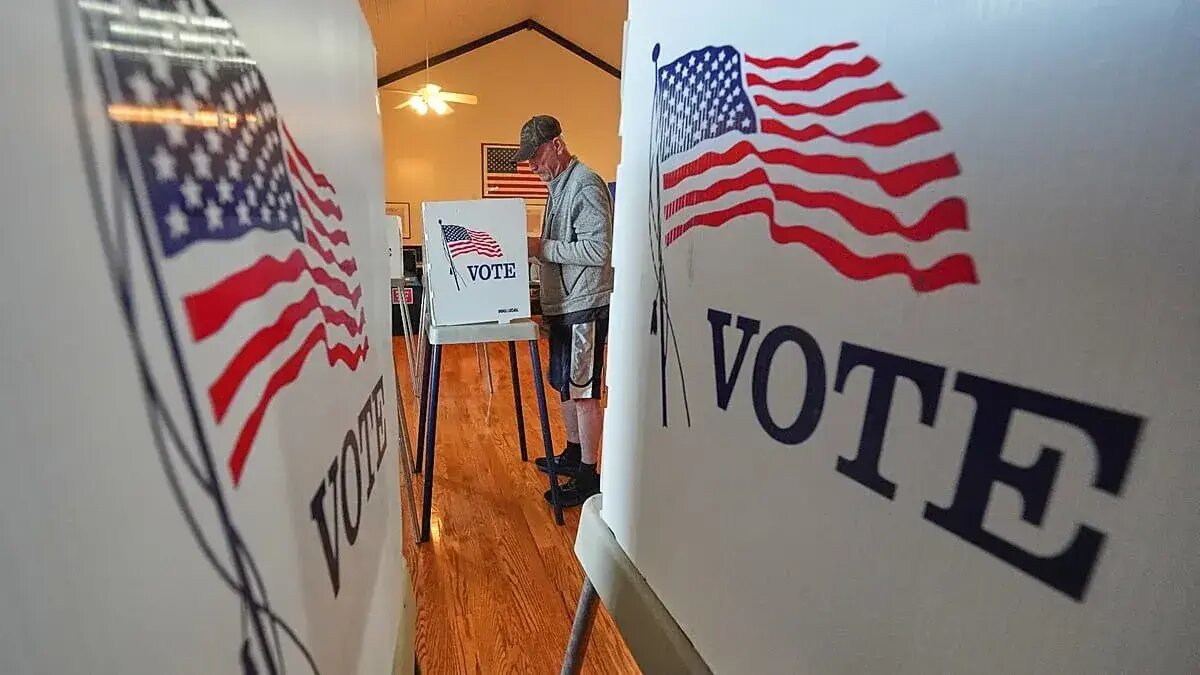
By early morning in Europe, Democrats had won control of the Senate and were on course to take the House of Representatives. The results marked a setback for Trump and the Republican Party, which had controlled both chambers during the first two years of his second term.
Voters’ concerns about the cost of living, including high petrol and diesel prices, helped drive Democratic gains. The result could affect market-sensitive areas such as the U.S. fiscal outlook, defence spending and regulation of healthcare, banking and cryptocurrencies.
Why did the U.S. vote unsettle investors?
A shift in control could make legislation harder to pass. Analysts warned that divided government may bring gridlock, disputes over fiscal policy and congressional investigations, while leaving the president with considerable executive authority.
“Democratic control of Congress would increase the potential for legislative gridlock, fiscal brinkmanship, debt-ceiling disputes, and congressional investigations,” Chris Weston of Pepperstone said. He added that the president would retain considerable executive authority, making the implications for individual sectors “far from straightforward”.
Weston said a narrow Democratic win may already be reflected in prices, while a more commanding result could prompt investors to reassess Trump’s remaining policy agenda and the political trajectory into 2028. Trump said he would become “Mr Veto” and block Democratic legislation if the party took control of Congress, while also saying deals could eventually follow.
The market response extended beyond energy. European stock futures were lower, and Asian shares fell alongside the dollar. Tokyo’s Nikkei 225 was down 2.85% at around 06:00 CET, while South Korea’s Kospi fell 1.17%. Hong Kong’s Hang Seng rose 0.38%, in contrast to declines in Shanghai, Sydney, Seoul, Singapore and Taipei.
Investors were also uneasy about the scale of spending on artificial intelligence and how quickly companies that have invested billions might see returns. A Democratic sweep could bring more regulation and restrictions on AI development, a concern for some Wall Street investors.
For households and businesses, the cost-of-living focus in the election keeps fuel prices closely tied to political pressure. But the early market figures offered no sign of a simple direction: crude was lower, while the broader reaction reflected uncertainty over both energy risks and U.S. policy.
Brent crude traded below $104 a barrel early Wednesday.