COP31 Opens in Turkey Amid Calls to Reform Consensus Rules
As COP31 begins in Antalya, diplomats face growing calls to change decision-making rules critics say have slowed climate action while the 1.5-degree goal slips further out of reach.
ANTALYA, Turkey — The United Nations’ annual climate talks open in Antalya on Monday, Nov. 9, as pressure grows to overhaul a consensus system critics say allows a few countries to stall global action while climate risks intensify.
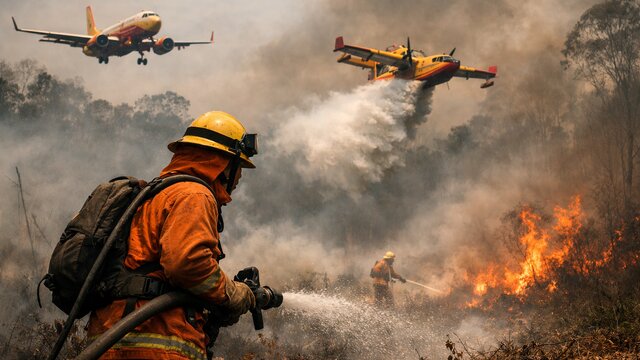
Tens of thousands of diplomats, ministers, scientists, activists and industry representatives are expected at the 31st Conference of the Parties, or COP31. The debate over how decisions are made carries consequences far beyond the negotiating rooms for communities already facing heat waves, floods, drought and wildfires.
Experts and diplomats say the Antalya meeting is unlikely to deliver a major breakthrough without changes to the way the conferences reach agreements. Scientists warn that global warming is advancing faster than previously expected. In September, the United Nations said the 1.5-degree Celsius limit above pre-industrial temperatures was almost certain to be breached, while emissions from burning fossil fuels in 2025 remained near a record high.
Why COP consensus rules are under fire
Under the consensus system, participating countries can block or hold up an agreement. Critics say some fossil-fuel-producing nations have used that leverage to resist steps toward phasing out fossil energy.
The outcome of COP30 in Brazil last year sharpened those concerns. Its final agreement was widely criticized as lacking ambition and did not explicitly mention fossil fuels, despite their role as the main cause of global warming.
Panama’s Environment Minister Juan Carlos Navarro said the rules can give a single participant the power to derail an agreement backed by nearly everyone. “COP is designed to fail,” Navarro said.
Calls for reform predate this year’s talks. The Club of Rome, an international think tank whose members include former heads of state, business leaders and scientists, urged “urgent reform” in an open letter in 2023, arguing that consensus inherently produces slow, incremental progress.
Climate loss-and-damage funding illustrates the delays, the letter said. Agreement on a fund came only in 2022, after seven years of negotiations — a pace the group said was at odds with climate science and the damage and risks already unfolding.
Proposals for a different approach
Ideas under discussion include holding formal COP meetings every two years, making conferences smaller, or moving away from consensus-based decisions. The proposals reflect a broader debate over how to make climate diplomacy respond more effectively to an escalating emergency.
France’s Minister for Ecological Transition, Monique Barbut, has pointed to “COP fatigue” from the annual schedule. She said the forum is an international legal body that should focus on substantive issues with clear legal consequences, rather than function as a yearly diplomatic event.
Barbut has proposed formal COP sessions every other year, with meetings in intervening years held under a different status. The biodiversity and desertification conventions, two other United Nations environmental treaties, already follow a biennial schedule.
The debate is unfolding as the United States steps back from climate diplomacy. The world’s largest economy and second-largest emitter has again distanced itself from the process under President Donald Trump, who has repeatedly called global warming a “hoax.”
Not all observers see restructuring the COP as the only route forward. Some argue that countries willing to move faster can form coalitions outside the formal United Nations framework, an approach that began to emerge after COP30 in Brazil.