UN says the Paris climate promise is broken as warming overshoot looms
Was supposed to mark the turning point. Ten years on, the United Nations says the world has already lost the race to hold warming. Paris — full details here.
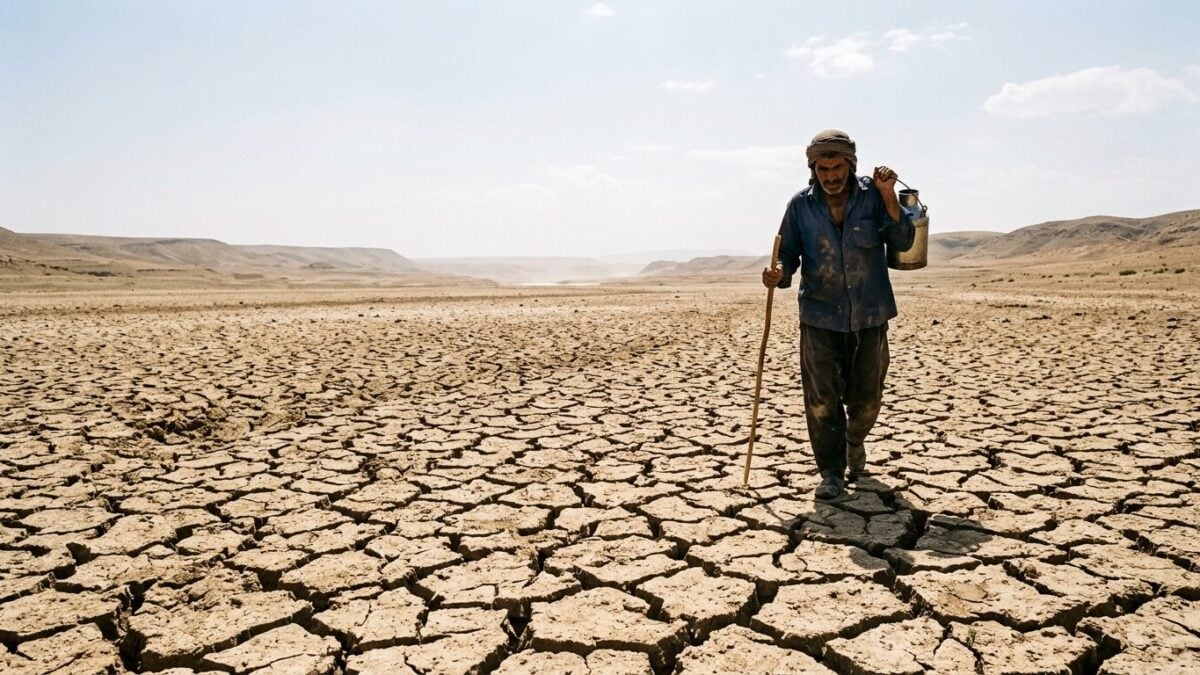
Paris was supposed to mark the turning point. Ten years on, the United Nations says the world has already lost the race to hold warming to 1.5 degrees Celsius.
In a new report released Wednesday, the UN said the most optimistic path now points to temperatures blowing past that limit by the end of this decade, rising to about 1.8 degrees later this century before any chance of a slow decline. The finding lands as a sharp rebuke to the promise made in 2015, when governments gathered in Paris and left with a target that then-UN Secretary General Ban Ki-moon called “a covenant with the future.”
A promise that slipped away
The Paris deal carried rare momentum. Leaders, diplomats and campaigners left the French capital in a mood that bordered on celebration, convinced the world had finally locked in a ceiling on dangerous warming. Ban described the accord as a race against time. That race, the UN now says, has been lost because greenhouse gas emissions did not fall fast enough.
The new report, titled Limiting Overshoot, does not frame the 1.5-degree goal as dead in every scenario. It says there may still be a way through, but only through what it calls “overshoot, peak and decline.” The idea is blunt. First, temperatures go above the target. Then they peak. Only after that can they be pulled back down over centuries.
That path is far from simple. It would require deep and rapid cuts in emissions — the kind the world has not managed so far — and large-scale carbon removal from the air, with the gas then locked away safely. Those technologies do not yet exist at scale. Not even close.
What overshoot means in practice
The language sounds technical, but the stakes are physical and immediate. A world that overshoots 1.5 degrees is still a warmer, harsher planet, even if temperatures eventually ease. The report says that even under the best outcome described, the climate system would already carry lasting damage from the climb past the threshold.
That is why the latest UN assessment matters well beyond climate circles. For governments, it narrows the gap between pledges and reality. For industries that have bet on future carbon removal, it underscores how much depends on technologies that remain unproven at the scale the planet would need. And for poorer countries, many of which face the sharpest climate risks with the fewest resources, the overshoot debate is not abstract at all. It is about heat, water, food and survival.
The next fight is bigger than the target
The Paris goal once carried the force of a shared vow. Now the world is being asked to accept a harsher arithmetic: missed the deadline, then try to repair the damage over generations. That shift changes the politics of climate action as much as the science.
The UN report gives negotiators, companies and campaigners a new baseline heading into the next round of climate decisions: the target may still shape ambition, but the planet is already on course to cross it. What follows is a far harder question — whether the technologies, financing and political will needed to pull temperatures back down will arrive in time, and at a scale the atmosphere can actually feel.