Vietnam and Indonesia Trailblazers in ASEAN Nuclear Plans
And Indonesia are among four ASEAN countries with concrete plans to add nuclear power to their energy mix. A regional outlook sets out capacity targets for…
Vietnam and Indonesia trailblazers in ASEAN nuclear plans, with targets of 14 GW and 21 GW of nuclear capacity by 2050, respectively, according to the Southeast Asia Nuclear Energy Outlook. Their ambitions stand alongside plans by two other ASEAN countries to add nuclear power to their energy mix.
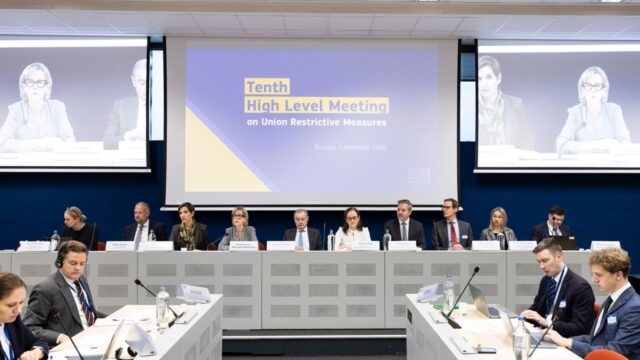
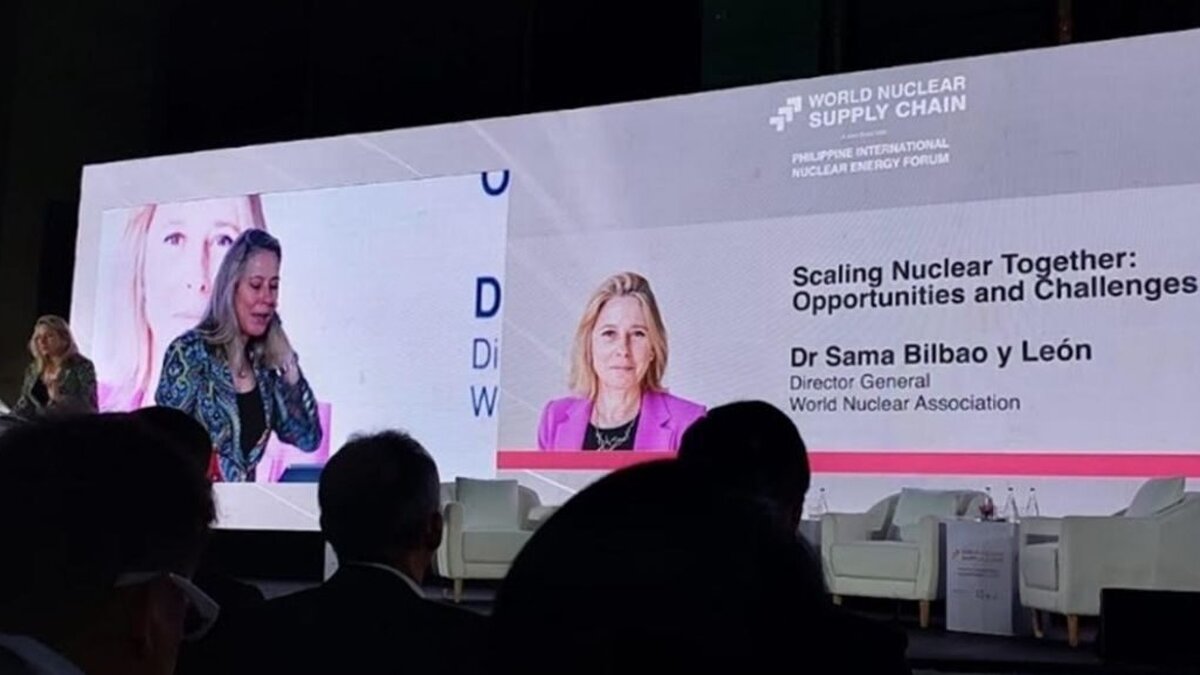
The outlook was highlighted at the World Nuclear Supply Chain 2026 Conference, held in Manila on October 20-21 and co-organised by the World Nuclear Association and the Philippines Department of Energy. The figures outline how four countries are moving toward nuclear power as they consider climate change and energy security.
Vietnam’s outlook sets a target of 4GW by 2034 and 14 GW by 2050. Indonesia’s plan is larger in the longer term: 8GW by 2035, 21 GW by 2050 and 50-60 GW by 2060.
Those figures are projected plans, not operating capacity. They show the scale of the proposed shift in both countries’ energy mixes and put long-term nuclear development on the regional agenda.
The report also lists the Philippines and Thailand among countries with concrete plans. The Philippines aims for 1.2GW of nuclear capacity by 2032, 2.4 GW by 2035 and 4.8GW by 2050. Thailand’s target is 600MW by 2037.
What do Vietnam’s nuclear plans include?
Vietnam has signed an intergovernmental agreement with Russia covering the construction of two Russian-designed VVER-1200 reactors. The agreement was signed in Moscow on March 23, 2026, during Vietnamese Prime Minister Pham Minh Chinh’s three-day visit to Russia, according to nuclear power consultant Sheriffah Noor Khamseah Al-Idid Syed Ahmad Idid.
Each reactor is designed for 1200 Megawatts, giving the pair a combined capacity of 2,400 MW. Russia’s state nuclear power corporation, Rosatom, is set to build Vietnam’s first nuclear power plant at the proposed Ninh Thuan-1 site.
The agreement provides a legal framework for the project. Its two-reactor capacity is smaller than Vietnam’s longer-term target of 14 GW by 2050, making it one part of the broader plan described in the regional outlook.
At the conference, Dmitry Raspopine, Rosatom’s country head for Vietnam, also presented on floating nuclear power for island and coastal markets. He discussed Russia’s Floating Nuclear Power Plant, described in the conference account as the world’s first Small Modular Reactor.
Which other countries are considering nuclear power?
The outlook says Mongolia, Myanmar, Laos, Malaysia, Singapore and Sri Lanka are planning or considering nuclear activities. It does not place them among the four ASEAN countries identified as having concrete plans to introduce nuclear power into their energy mix.
For Vietnam and Indonesia, the targets make energy security and climate policy tangible planning questions: both countries are considering nuclear power at a scale measured in gigawatts, with milestones extending from 2034 to 2060. The outlook sets out intended capacity, while the Vietnam-Russia agreement specifies a proposed project and its reactor design.
Indonesia’s stated target is 50-60 GW of nuclear capacity by 2060.