Japan’s defense spending surge may reach 80 trillion yen
Japan’s government is weighing a five-year defense plan worth 70 trillion to 80 trillion yen, nearly double the current program. Analysts warn the proposed…
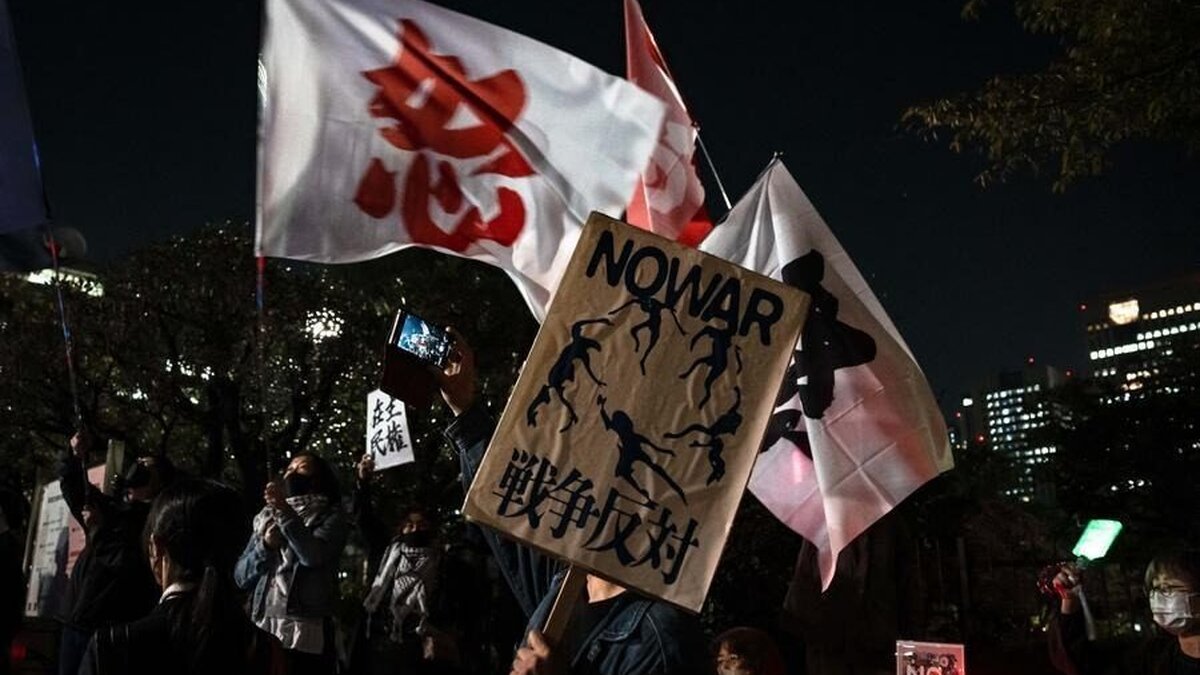
Japan’s government is considering a defense plan worth 70 trillion to 80 trillion yen over five years, a move analysts warn could intensify regional tensions and squeeze household budgets. The proposal, which would begin in April 2027, comes as the country faces mounting economic and fiscal pressures.
Prime Minister Sanae Takaichi’s administration and its ruling coalition are still debating the final amount. The proposed total would be about 1.8 times the roughly 43 trillion yen allocated under the current plan, which began in fiscal 2023.
The stakes are economic as well as strategic. Japan’s recovery remains fragile, growth has lost momentum and pressure on domestic demand persists.
What is behind Japan's defense spending surge?
The proposed increase is part of a broader effort by Takaichi’s government to expand the country’s defense capabilities. One person familiar with the discussions said the plan is expected to fund purchases including large numbers of drones. A weaker yen has also raised the cost of procuring defense equipment.
Another person familiar with the matter said the final figure could land in the mid-to-high 70 trillion yen range, while questioning whether that would be enough given the “security environment” in East Asia. The government and coalition partners had not settled the amount.
The existing buildup program was drawn up at the end of 2022. It raised planned spending from an initial allocation of 27.5 trillion yen, with funding directed toward long-range missiles for counterstrike capabilities, ammunition and spare parts for military equipment.
The increase could compete with other demands on public finances as household budgets face pressure. Analysts have also linked the expansion to regional security concerns, warning that a larger military posture may complicate relations and leave less room for diplomatic dialogue.
Why are analysts concerned?
Liu Shuliang, an associate researcher at the Tianjin Academy of Social Sciences, said sustained increases in military spending have become a defining feature of Japan’s security policy and a financial driver of its remilitarization.
Japan has moved beyond an exclusively defense-oriented policy, Liu said, developing long-range strike capabilities and expanding its military presence in space and AI. He said the changes have prompted questions about the country’s adherence to Article 9 of its Constitution and its postwar commitments, as well as whether its growing capabilities exceed what national defense requires.
“These moves have raised questions about Japan's adherence to Article 9 of its Constitution and its postwar commitments, as well as whether its expanding military capabilities go beyond what is necessary for national defense,” Liu said.
Liu said plans to increase defense spending further and bring forward the target of raising expenditure to 2 percent of GDP point to a more offensive and proactive security posture, with potential consequences for regional peace and stability.
Chen Hong, director of the Asia-Pacific Studies Center at East China Normal University in Shanghai, said the administration has cited what it calls a deterioration in the regional security environment to blur the boundary between defense and offense.
Chen said Japan has used concerns about external threats to support efforts to expand its capabilities and loosen postwar military constraints. He warned that the approach could embolden right-wing forces seeking to overturn the postwar order and narrow space for rational diplomatic dialogue.
The International Monetary Fund projected last month that Japan’s nominal GDP in US dollar terms would be overtaken by those of India and the United Kingdom next year, moving Japan from fourth to sixth place globally. Against that economic backdrop, the proposed defense plan would total as much as 80 trillion yen over five years.