46% of European Cities Studied Exceed EU Air Pollution Limits
ClientEarth and the World Resources Institute found 46% of European cities analysed exceed the EU's new air pollution limits, with a 2030 deadline.
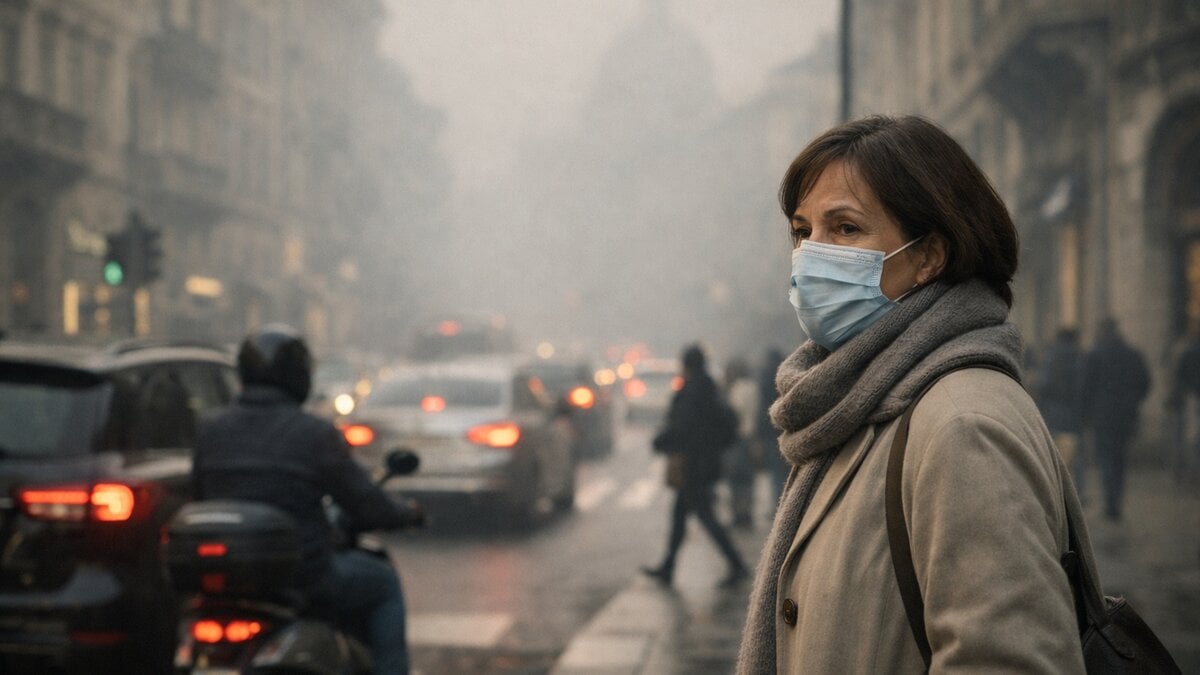
ClientEarth and the World Resources Institute found that 46% of the European cities they analysed exceed the European Union’s latest air pollution limits. The findings put pressure on local and national authorities to act before the standards become mandatory in 2030.
The analysis concerns limits set by the EU’s Ambient Air Quality Directive, which entered into force in December 2024. Its central warning is that meeting the new requirements will take more than city-level measures: governments need to coordinate across administrative boundaries and address pollution sources linked to transport, industry and activity outside urban areas.
The stakes reach beyond compliance. The report says dirty air affects residents’ health and economies, while delays could leave cities struggling to meet the deadline. It argues that plans need to account for local pollution patterns rather than rely on one solution for every city.
What did the analysis find?
Of the European cities examined, 46% exceed the EU limits, according to the analysis by ClientEarth and the World Resources Institute. Member states have until 2030 to meet the new standards.
Steven Bland, strategic lead at City Systems Europe at the World Resources Institute, said existing trends put many cities at risk of missing the targets without significant intervention. He also stressed that implementation takes time, from designing changes at city level to coordinating across government.
“A lot can change in six years, and there are lots of changes happening in the economy, and cities are acting,” Bland said. “But it does take some time to design changes at a city level. It's not something you can do overnight, so that time is needed.”
Air pollution can vary from one city to another, Bland said, and transport remains a major local source. Pollution also crosses city borders, making cooperation between local, regional and national authorities part of the response.
What measures does the report call for?
The report points to low-traffic or car-free neighbourhoods, better infrastructure for cycling and walking, and further electrification of public transport. It also calls for action on pollution sources beyond cities, including ports, airports and agricultural ammonia emissions.
That wider approach matters because a city cannot control every source within its own boundaries. Authorities need to identify where pollution comes from and coordinate action with other levels of government, Bland said.
The consequences are practical: transport decisions and infrastructure investments could shape whether cities reduce pollution in time. Measures that encourage walking and cycling, alongside cleaner public transport, form part of the report’s suggested response; they are not presented as a single fix for every city.
How did Krakow cut pollution from solid-fuel heaters?
Krakow, Poland, offers one example cited in the report. Local authorities banned coal and wood stoves, and 45,649 solid-fuel heaters were phased out between 1995 and 2019, helping reduce harmful PM2.5 pollution by up to 26%.
Environmental groups’ legal action helped catalyse national legislation that enabled the phase-out. EU funding supported a city-led programme to replace polluting heaters with alternatives, showing how local policy, national rules and financial support worked together.
“Krakow is a great example of lots of different organisations coming together and having a real significant impact,” Bland said.
Cecilia Vaca Jones, executive director at Breathe Cities, said the analysis draws on the organisation’s research and pointed to progress in European cities. She said strong results come when local leaders make bold choices and prioritise clean air. The report also warns that the costs of inaction affect both residents’ health and economies.
Barbara Stoll, founder and senior director at Clean Cities, said “the price we pay for breathing dirty air is real”. She urged city leaders to use the framework established by the EU clean air law and collaborate with national and regional authorities.
Member states have until 2030 to meet the standards.