Largely peaceful marches across France draw 600,000
Hundreds of thousands joined demonstrations and a one-day strike across France over living costs, wages and public services. The Interior Ministry put…
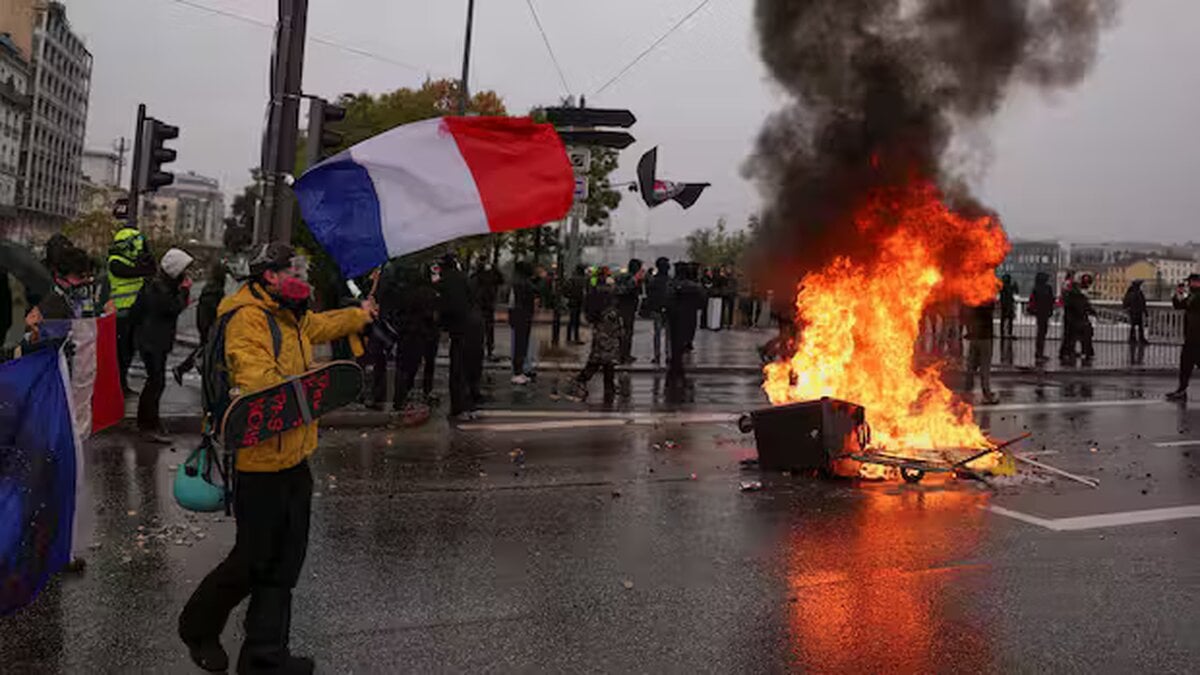
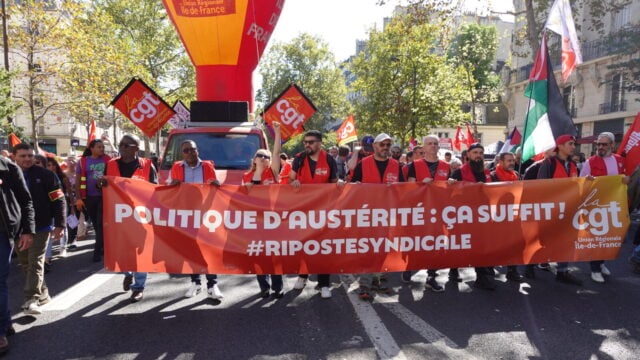
PARIS — Largely peaceful marches across France drew 600,000 people by Thursday evening, according to Interior Minister Laurent Nunez, as workers and students protested rising living costs and strained public services. The demonstrations coincided with a one-day strike by public sector workers and brought renewed pressure on President Emmanuel Macron.
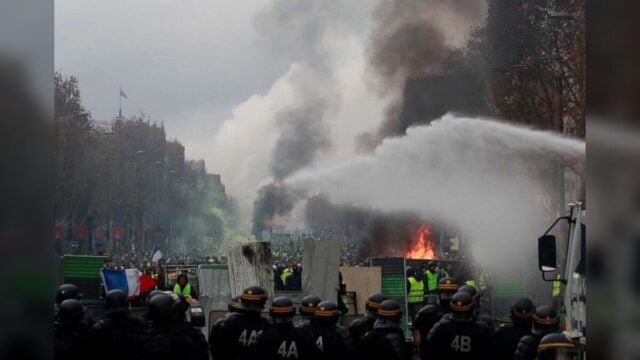
The rallies spread across major cities, including Paris, Lyon, Marseille and Nantes. Police clashed with protesters in Paris and Lyon, while authorities reported that a high school near Toulouse caught fire after fireworks were thrown.
The turnout estimate rose during the day. The Interior Ministry initially reported 270,000 participants outside Paris; Nunez later said the nationwide figure had reached 600,000 by evening.
What were protesters demanding?
Unions representing public and private sector workers called for action on high prices and deteriorating public services. Their demands included a higher minimum wage, broad wage increases, tax reforms and better learning conditions for young people.
Students joined workers after organizing demonstrations of their own over the past month. In Paris, the march began in the afternoon with participants singing La Marseillaise and carnival-like floats. The atmosphere changed about two hours later, when people at the front of the march clashed with police, who fired tear gas.
“This country needs justice,” presidential candidate Raphael Glucksmann told reporters at the start of the Paris march. He said he wanted to restore public services and bring people together.
In Lyon, riot police used tear gas and charged a group of demonstrators. The Interior Ministry said officers had faced several hundred hardcore protesters and that authorities had contained the violence, though tensions remained high.
Strike disrupts schools and landmarks
The strike affected public services, schools and energy workers. The Education Ministry said just over 15% of French teaching staff walked off the job, and about a third of the country’s high schools were closed because of student blockades or teacher strikes. State-owned utility EDF said French power unions also took part.
The Eiffel Tower closed for the day. Transport, however, saw no major disruption in Paris, and the protests were expected to cause only minor interruptions to long-distance rail services, according to the state-owned railway operator SNCF.
The effects reached beyond the march routes. School closures disrupted lessons, while the strike shuttered a major visitor attraction and drew workers from services used by the public. The contrast between mostly peaceful rallies and localized clashes also put pressure on authorities to manage demonstrations without further escalation.
Near Toulouse, people throwing fireworks caused a fire at a high school on Thursday morning, the Interior Ministry said. Pupils and staff evacuated as firefighters put out the flames. Education Minister Edouard Geffray condemned the incident on X, calling it “an absolute scandal.”
The protests come five months before a presidential election. Macron is serving his second term and cannot run again. The demonstrations follow weeks of unrest over living costs, public services and education, issues that have also drawn students into the streets.
“There is a lot of concern about the future, notably the issues of salaries, public services,” said Alice Martinovic, an 18-year-old student at the Paris demonstration. She said she hoped candidates would listen to young people and students, now joined by workers.
CGT trade union head Sophie Binet said the demonstrations were larger than before and estimated that about 250,000 people were protesting across France. The Interior Ministry’s evening count, however, put nationwide participation at 600,000.