British Man Infected With Ebola Flown to UK for Care
A British health worker who tested positive for Ebola in the Democratic Republic of Congo has been flown to the UK and taken to a specialist infectious…
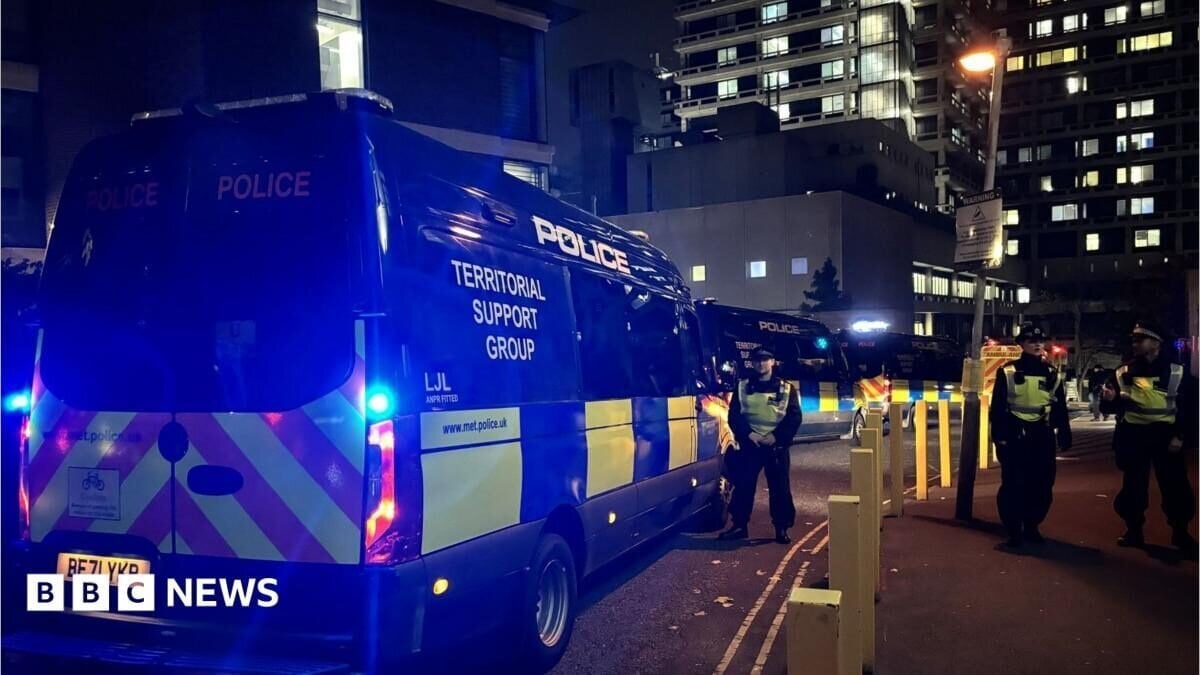
A British health worker infected with Ebola in the Democratic Republic of Congo was flown to the UK and taken to a specialist unit in north London, the BBC reported on Friday. The case is the first confirmed infection of a British national in the country’s current outbreak.
The man landed at RAF Northolt before being transported to the Royal Free Hospital. UK officials said the risk to the public remains low as established procedures for handling the infection have been activated.
The outbreak has recorded more than 10,000 confirmed cases since it began in May, with more than 5,000 deaths, according to the reports. The case places attention on how health services manage infections brought back from an outbreak that has spread beyond DR Congo.
British man infected Ebola reaches specialist care
The patient has not been identified. The BBC said he was taken to the Royal Free Hospital, which treated three health workers evacuated during the West Africa outbreak in 2014 and 2015.
A UK government spokesperson said earlier in the week that there were “well-established procedures for dealing with cases like this” and that the risk to the public remained low. The UK has recorded four confirmed cases since 1976; none resulted in a death.
The immediate effect is a specialist hospital admission rather than a broader public health alert. British health authorities say procedures are in place to manage suspected and confirmed infections, while the case underscores the need to identify and isolate the virus after an infected person travels from an outbreak zone.
Outbreak has spread beyond DR Congo
The current outbreak is driven by the Bundibugyo variant. Ebola spreads through contact with infected bodily fluids, including blood or vomit, and can cause severe illness and death.
The BBC reported a fatality rate of 48.6% at the end of last month. The Guardian said cases had also been confirmed in Kenya, Uganda and Nigeria. The outbreak has become the second most deadly recorded, behind the West Africa outbreak in the 2010s.
There is no approved vaccine specifically for the Bundibugyo virus. The World Health Organization said experts recommended adding two candidate drugs to an ongoing clinical trial. Vaccine candidates developed by the University of Oxford and the Serum Institute of India, and by Moderna, are also expected to join a trial once Congolese health authorities approve them.
The current case is the first confirmed infection of a British national during this outbreak. More than 5,000 people have died in DR Congo.