South Australia’s Bandicoots Split Into Two Distinct Groups in New Study
Bandicoots on Kangaroo Island and in the Mount Lofty Ranges are not the same group as South Australia’s southern brown bandicoots, a national study has
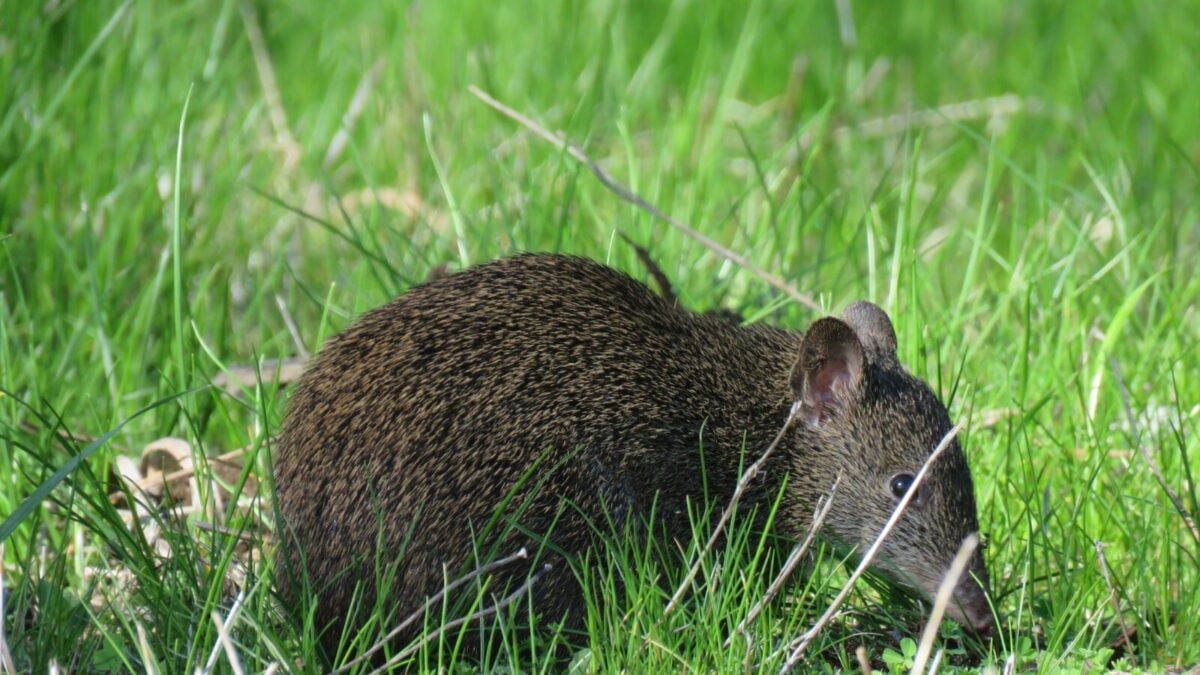
Bandicoots on Kangaroo Island and in the Mount Lofty Ranges are not the same group as South Australia’s southern brown bandicoots, a national study has found. The research identifies the isolated populations as a distinct subspecies, raising the prospect of a conservation reassessment for an animal already classified as endangered.
The findings redraw the state’s bandicoot map. Southern brown bandicoots are found only in South Australia’s south-east, while animals on Kangaroo Island, the Fleurieu Peninsula and in the Mount Lofty Ranges are related to quendas, a bandicoot group known from Western Australia.
Museum specimens reveal a wider picture
Researchers reached the conclusions by examining historical specimens held in museum collections across Australia and overseas. The decade-long investigation combined DNA analysis with skull measurements to clarify relationships that had been difficult to resolve using either genetic evidence or physical features alone.
The study, published in the Australian Journal of Taxonomy, also found that quendas had a broader historical distribution than previously understood. Long regarded as a subspecies of the southern brown bandicoot, the quenda is now recognised as a separate species.
The research identified another previously unrecognised bandicoot species in New Guinea. It also classified a small brown bandicoot from South Australia as a distinct species, though that animal has been extinct for about a century.
Taxonomy could affect conservation
The revised classification matters because conservation assessments depend on which populations are treated as distinct. Researchers say the newly recognised South Australian subspecies may warrant a reassessment; the southern brown bandicoot is already endangered.
Bandicoots are small, burrowing marsupials native to Australia and New Guinea. Many populations have declined sharply or disappeared after introduced predators and habitat destruction following European settlement.
The study’s combination of genetic and anatomical evidence has resolved some longstanding classification problems, researchers say, while opening the way for further examination of species within this group. One of the newly identified South Australian bandicoots has been extinct for about 100 years.