America got anti-data-center wave: Texas vote raises costs
Texas and other states could tighten data-center rules after election victories by Democrats who campaigned on restrictions. Goldman Sachs says states with…

Democratic gains in Texas and other states could slow data-center construction, and America got anti-data-center wave with potential consequences for the AI investment boom. The shift matters because the projects support jobs and have become a major engine of U.S. economic growth.
Come January, states controlled by Democrats who support expanding or extending construction moratoriums are expected to account for 45% of planned U.S. data-center capacity, according to Goldman Sachs. Texas alone is set to host a quarter of the country’s planned AI infrastructure buildout.
The election does not put every project on hold. Demand for AI remains high, and state governors cannot block all construction. But victories by Democratic candidates who campaigned on tighter data-center rules could change how quickly companies build and where they invest.
How could the Texas vote affect data-center plans?
Texas is the biggest concern for developers because of the scale of its planned construction. Wells Fargo estimates that every 10% reduction in planned Texas data-center capacity would cut Big Tech companies’ AI infrastructure spending by 1.6%.
Democratic gubernatorial candidates also won in Nevada, Georgia and Ohio, campaigning on proposals that include ending tax breaks, tightening climate and electricity restrictions, and giving local governments more power to impose construction moratoriums.
The proposals could affect projects at different stages. Hundreds of developments are still waiting for permits, utility service or tax incentives, said Mona Dajani, co-chair of Cooley’s infrastructure, energy and real estate practice. Active construction could also face risks if state rules change.
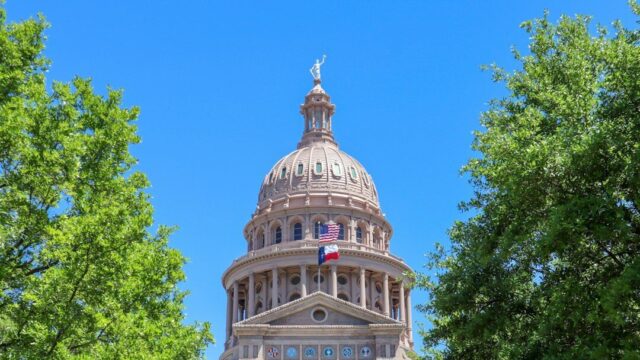
Texas law protects some projects from later changes to local permitting requirements by grandfathering their permits. That safeguard does not settle the question of state permitting changes or electrical service guarantees that Governor-elect Gina Hinojosa could vacate.
Delays carry a price. Interest, equipment commitments and utility expenses keep accumulating while a project is stalled, Dajani said. If those costs make a development financially unviable, companies could struggle to meet their planned AI infrastructure spending.
What is at stake for jobs and the economy?
The buildout has brought economic benefits, including support for thousands of jobs. ING economists estimate that AI investment accounted for as much as a quarter of total U.S. economic growth this year, making any slowdown relevant beyond the technology industry.
Economist Stijn Van Nieuwerburgh of Columbia Business School expects annual spending on AI infrastructure to approach $1 trillion for the foreseeable future. Measured against gross domestic product, he said, that level would exceed other investment booms in modern U.S. history, including railroad construction.
A slower pace could therefore affect employment and economic development tied to the projects. It could also curb construction that has contributed to rebounding inflation and public opposition to data centers, while putting pressure on business models that have drawn skepticism on Wall Street.
For AI companies, the immediate challenge is not only whether a site can be built, but whether it can receive approvals and electricity on schedule. Each delay can add expenses before a facility begins operating, while companies are already trying to expand capacity fast enough to meet anticipated demand.
Goldman Sachs estimates that Democratic-controlled states supporting construction moratoriums will account for 45% of planned U.S. data-center capacity.