Godzilla Minus Zero Brings King Ghidorah to Matsumoto
King Ghidorah into a story set in Japan’s postwar recovery, where the three-headed monster attacks Matsumoto. Director Yamazaki Takashi returns to the…
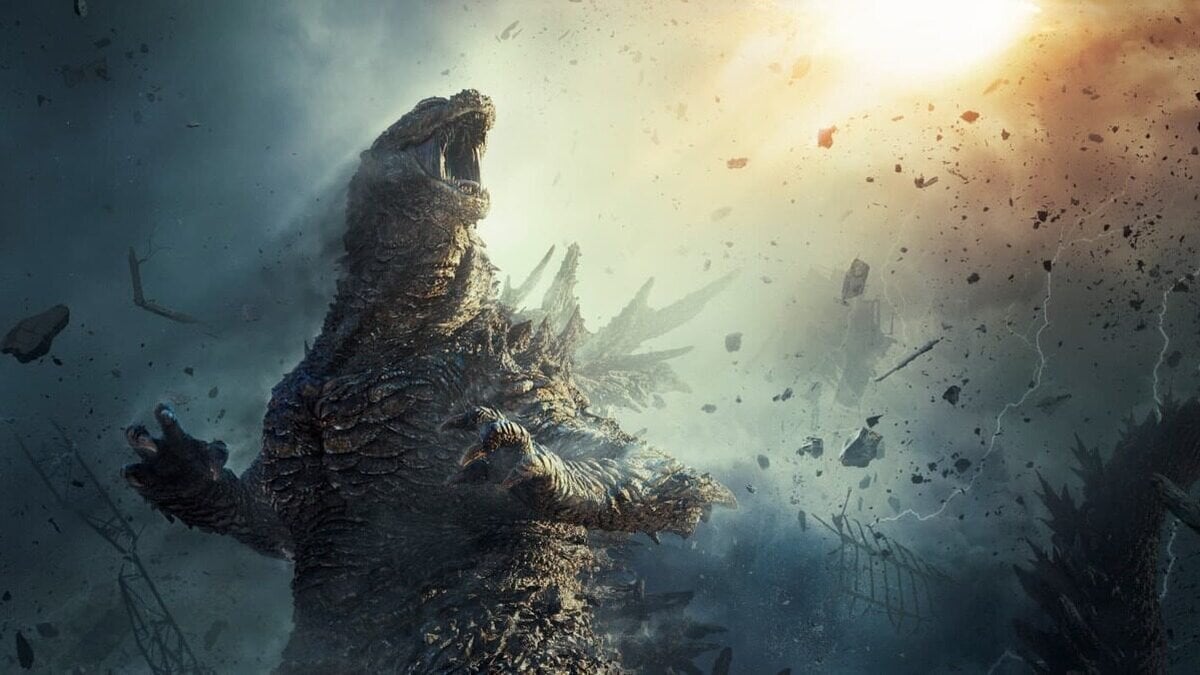
Godzilla Minus Zero brings King Ghidorah into a story set in postwar Japan, where the three-headed monster attacks Matsumoto and devastates the recovering city. Director Yamazaki Takashi’s new film follows Godzilla Minus One, shifting the threat from the King of Monsters to a creature that proves difficult for people to resist.
The setting moves two years beyond the events of the previous film, whose story placed Godzilla’s first appearance in Tokyo in 1947. Japan is still rebuilding from the war and Godzilla’s earlier attack when King Ghidorah strikes.
The city is leveled. Lives are lost.
Noda Kenji, played by Yoshioka Hidetaka, leads the government bureau responsible for large-scale disaster response. He had devised the strategy that defeated Godzilla two years earlier. Now he must assemble a team to confront King Ghidorah, whose attacks hit with overwhelming force.
The group includes meteorologist Aoyama Makoto, played by Nagasawa Masami, and biologist Murakami Kanji, played by Tanaka Min. Murakami reported on Ghidorah’s attack. A squad of war pilots also joins the effort.
How does Godzilla Minus Zero bring King Ghidorah into the story?
King Ghidorah attacks Matsumoto, in Nagano Prefecture, amid Japan’s gradual recovery from wartime damage. The monster demolishes parts of the city and inflicts a heavy loss of life, forcing Noda’s team to develop a desperate plan.
Shikishima Kōichi, played by Kamiki Ryūnosuke, is also drawn into the fight. The former kamikaze pilot survived Godzilla’s earlier attack and now lives quietly with his wife, Noriko, played by Hamabe Minami, and Akiko, a young war orphan they are raising as their daughter. Noda worries about Shikishima, but he insists on joining the battle.
The humans face repeated setbacks. King Ghidorah can appear without warning, flatten city blocks and disappear, leaving the team struggling to respond. The story sets that destructive power against the fragile progress of a country still recovering from war and an earlier monster attack.
That conflict gives the monster’s arrival a direct human cost: a city’s recovery is interrupted by another disaster, while survivors are pulled back into a fight they hoped to leave behind. The team’s challenge is not simply to defeat a creature, but to protect people in a society already carrying the damage of earlier destruction.
From monster battles to a force beyond human control
Kaijū battles have long been part of the Godzilla franchise. They became standard after Godzilla Raids Again, released in 1955. Later films shifted the character’s role, with Godzilla portrayed as a heroic figure fighting more vicious monsters.
Yamazaki’s Godzilla Minus One instead returned the creature to a role as a figure of terror. The film’s imagery included fleeing crowds and a Ginza burned by radioactive beams. In Godzilla Minus Zero, the director again presents Godzilla as a force beyond human understanding rather than a straightforward hero.
King Ghidorah carries a different threat. The story frames its attacks as a destructive force that sweeps through recovering cities, while Noda’s team tries to devise a way to resist. The film’s central confrontation pits the two monsters against each other in a Japan still marked by the war and the destruction that followed.
Godzilla Minus One was the first Japanese film to win an Oscar for best visual effects. Godzilla Minus Zero follows it with a new version of one of the franchise’s historic clashes: Godzilla against King Ghidorah.