Teen Exercise: 1 in 4 Worldwide Is Inactive Every Day
About 240 million adolescents worldwide reported no physically active days in 2025, while girls were less active than boys, a global study found. Across 140
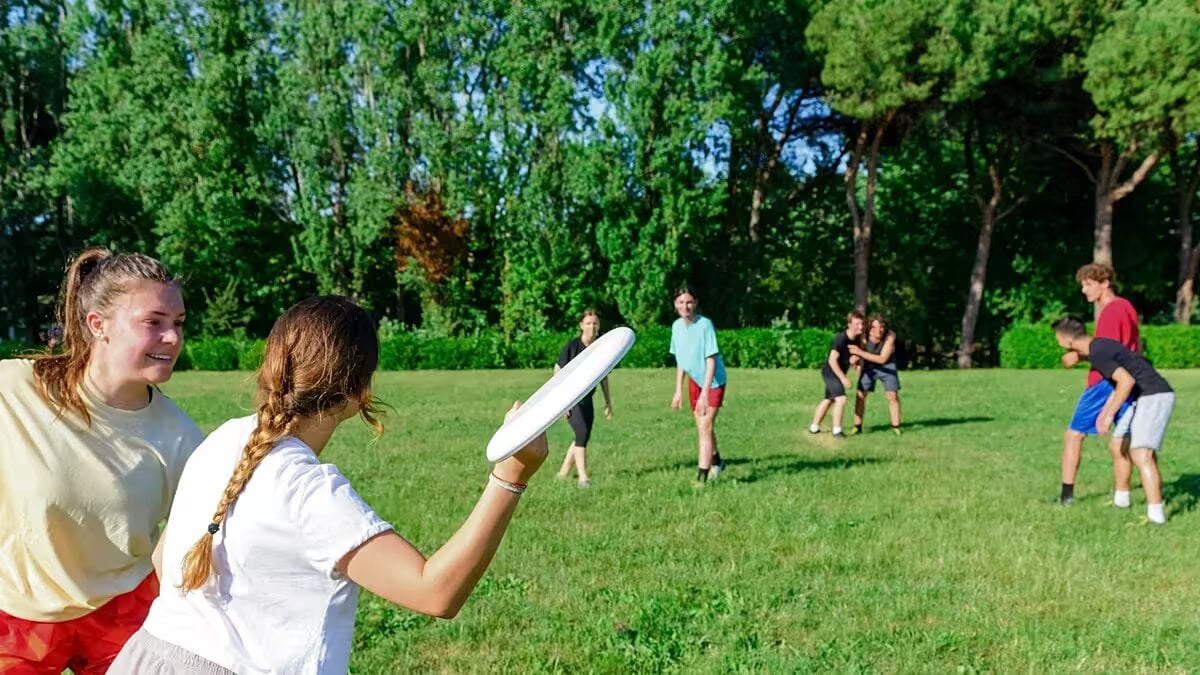
About 240 million adolescents worldwide reported no physically active days in 2025, while girls were less active than boys, a global study found. Across 140 countries, just 14% of young people aged 11 to 17 said they got at least an hour of moderate-to-vigorous exercise every day.
The average was 2.7 active days a week, unchanged from 2010. The findings point to a persistent shortfall against World Health Organization guidance, which calls for adolescents to get at least 60 minutes of moderate-to-vigorous physical activity daily.
A gap that has not narrowed
Researchers drew on 389 surveys covering 3.2 million adolescents and 59% of the global adolescent population. They counted activity at school, during travel or in leisure time, as long as it reached the 60-minute threshold.
Girls reported lower activity levels than boys, and adolescents in middle- and lower-income countries also reported less exercise. The study materials do not provide a specific global percentage-point difference between girls and boys, or identify where that gender gap is largest.
The pattern echoes an earlier global assessment, which found that in 2016 more than 80% of school-going adolescents were not meeting the daily recommendation. Girls were less active than boys in all but four of the 146 countries examined then, and the gap had widened in most of them between 2001 and 2016.
WHO target remains out of reach
The WHO aims to cut the share of adolescents missing the daily activity recommendation by 15% between 2010 and 2030. Yet no country or region is currently on track to meet that goal, the new study found.
“Business as usual will not change these trends,” said Fiona Bull, who leads the WHO’s physical activity unit and co-authored the study. She said the flat trend calls for a fresh look at current efforts.
Brisk walking and informal soccer can count toward the recommended activity, as can exercise during school or a commute. For schools and policymakers, the figures put the focus on whether everyday opportunities reach adolescents who are least active, particularly girls. The WHO target runs through 2030; progress toward it will show whether those efforts are changing the pattern.