Oil prices set for sharp weekly fall after US midterms
Prices were heading for one of their steepest weekly declines in years on Friday, as election results raised hopes of easing conflict in the Middle East. Brent…

Oil prices set for sharp weekly fall following US midterm elections were heading toward one of their steepest declines in years on Friday, November 6, as election results raised hopes that the US-Israeli war against Iran could ease. Brent crude futures for January traded around $97.55 a barrel on Friday morning, while US West Texas Intermediate crude fell to approximately $89.79.
The expected drop reflects hopes for more oil exports from the Middle East and less pressure on global energy supplies. But renewed attacks on tankers in the Gulf and the Strait of Hormuz have kept traders alert to the possibility of disruption.
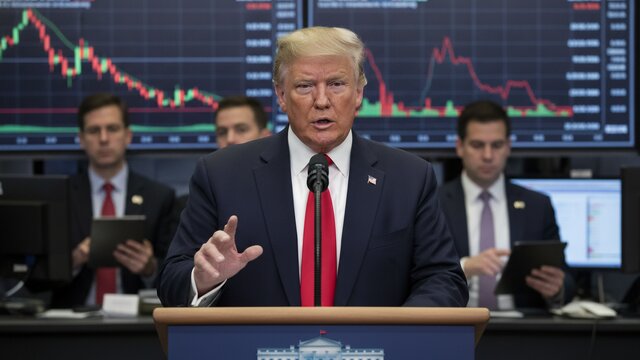
Brent was on track to lose around 16% for the week, potentially its steepest percentage decline since the beginning of the COVID-19 pandemic. Oil had already fallen by 8% on Wednesday after Democrats won both the House of Representatives and the Senate.
That sharp decline has not removed the risks around supply. Several vessels were reportedly targeted on Wednesday and Thursday, and the incidents briefly pushed Brent crude back to almost $100 a barrel earlier on Friday.
Why are oil prices falling?
The election results lifted expectations that the conflict in the Middle East could ease, which could allow more oil to move from the region into global markets. That prospect has reduced some of the pressure built into prices over concerns about energy supplies.
The decline also came amid wider financial-market turbulence following the US elections, with technology stocks suffering significant losses. For energy buyers, the lower crude benchmark could ease some of the immediate cost pressure if the fall holds. But the week’s tanker incidents show how quickly supply concerns can push prices back up.
The Strait of Hormuz is a vital shipping route for Middle Eastern oil. Renewed attacks there have raised fears that further disruption could affect global supplies, even as traders weigh the possibility of reduced conflict.
Prices remain volatile. Analysts warned that oil could continue moving sharply until there are clearer signs of improved security in the region. The election outcome has encouraged hopes of easing tensions, but it has not settled concerns about the safety of shipping.
Brent crude futures for January were around $97.55 a barrel on Friday morning, while Brent was on track for a weekly decline of around 16%.