Wall Street sell-off: euphoria meets raw fear in tech rout
Wall Street’s technology sell-off drove the Nasdaq down 6.3 per cent and the S&P 500 down 4.3 per cent. Investors reassessed how US election results could…
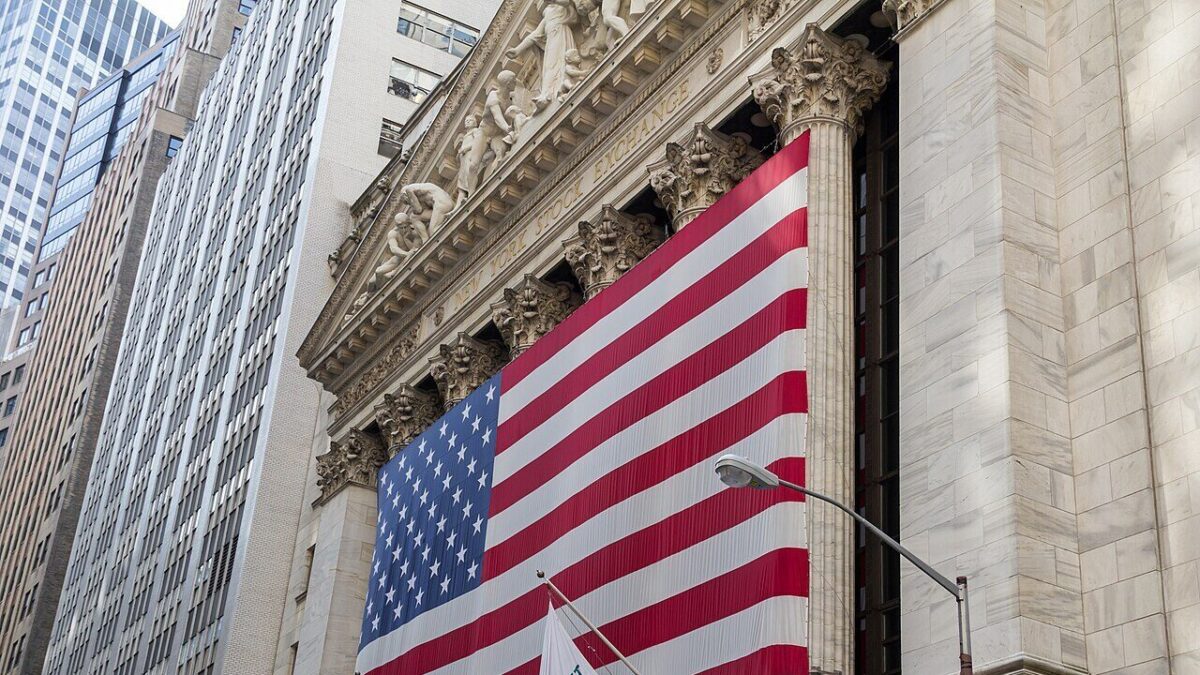
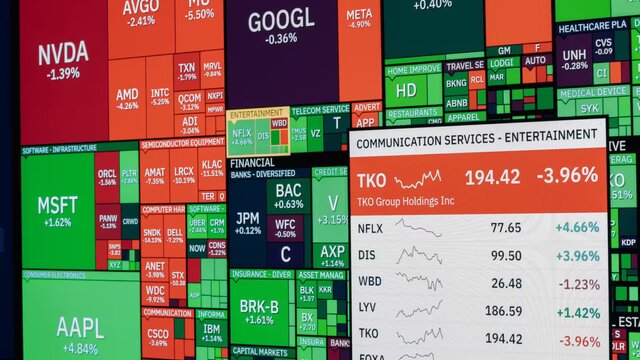
Wall Street’s Nasdaq fell 6.3 per cent overnight as euphoria meets raw fear among investors reassessing the outlook for artificial intelligence infrastructure after the US midterm elections. The S&P 500 dropped 4.3 per cent, while the Dow Jones Industrial fell 3.4 per cent.
The sell-off could reach Australian retirement savings. Workers have approximately $4.5 trillion invested in financial markets through superannuation, with roughly 20 per cent exposed to movements on Wall Street.
Technology shares took the hardest hit, but selling spread across the market. The reversal followed a day of optimism as investors considered whether a Democrat-controlled Congress would bring more restraint to the expansion of AI infrastructure, including data centres.
Why did Wall Street sell off?
Investors rapidly reassessed how election results could affect AI development and spending. Tapas Strickland of trading platform Moomoo said the earlier rally had quickly faded, with “the euphoria of Wednesday's post-election rally rapidly evaporating”.
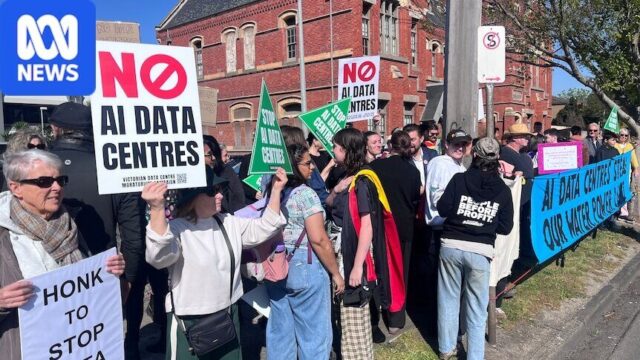
Strickland said investors saw the Democrats’ election victory as a reason to reconsider the outlook for the artificial intelligence sector. Voters rejected data-centre developments in dozens of local ballots, he said, adding to concerns about potential restrictions on new projects.
Texas became one example of that uncertainty. The state’s governor and senator indicated they were likely to halt or pause AI data-centre development. Strickland said markets were pricing in construction moratoriums, heavier regulation and an end to Silicon Valley’s unrestricted infrastructure spending.
The stakes extend beyond technology companies. The AI build-out involves major infrastructure investment, and the election-day view had been that a Democrat-controlled Congress could slow expansion enough for companies such as OpenAI and Anthropic to fund investments with cash rather than debt or shares. The selling showed how quickly expectations around that investment can shift.
How did automated trading add to the losses?
Strickland said automated trading software intensified the market’s decline. As prices fell, algorithms continued selling, while human investors might have chosen to wait when buyers were scarce. That rapid wave of orders can make prices fall abruptly, a move known as a market “gap down”.
The decline was not confined to technology. Defensive parts of the market also sold off sharply, contributing to the Dow’s 3.4 per cent fall. Strickland said the session’s meaning was not clear-cut and described automated funds as selling into a market with no buyers.
Fear rose alongside the losses. Wall Street’s VIX index, often called its fear gauge, surged 70 per cent overnight to 28 points. A level above 30 indicates a very nervous market, making the next trading sessions important for gauging investor sentiment.
Anna Wu, founder of Floodlines Research, called the chip rout a “sentiment shock” rather than a change in fundamentals. She said investors were treating a Democratic Congress as a brake on AI construction, while noting that US President Donald Trump still had his veto.
Wu also pointed to moves in defensive assets: Treasuries rallied, taking the 10-year yield to a two-month low near 4.84 per cent, while gold traded above $US4,100. Those shifts came as investors sought alternatives during the sell-off.
The sharp retreat may affect Australian superannuation balances because a substantial share of those investments is exposed to Wall Street movements. The market’s next sessions will help show whether the losses reflect short-term volatility or a deeper change in expectations for AI spending.
The VIX closed the overnight surge at 28 points, below the 30-point level associated with a very nervous market.