EU Plans Ukraine Sanctions Office and Crypto Task Force
The European Union plans to strengthen sanctions coordination through a dedicated office and a cryptocurrency task force. Commissioner Maria Luis Albuquerque…
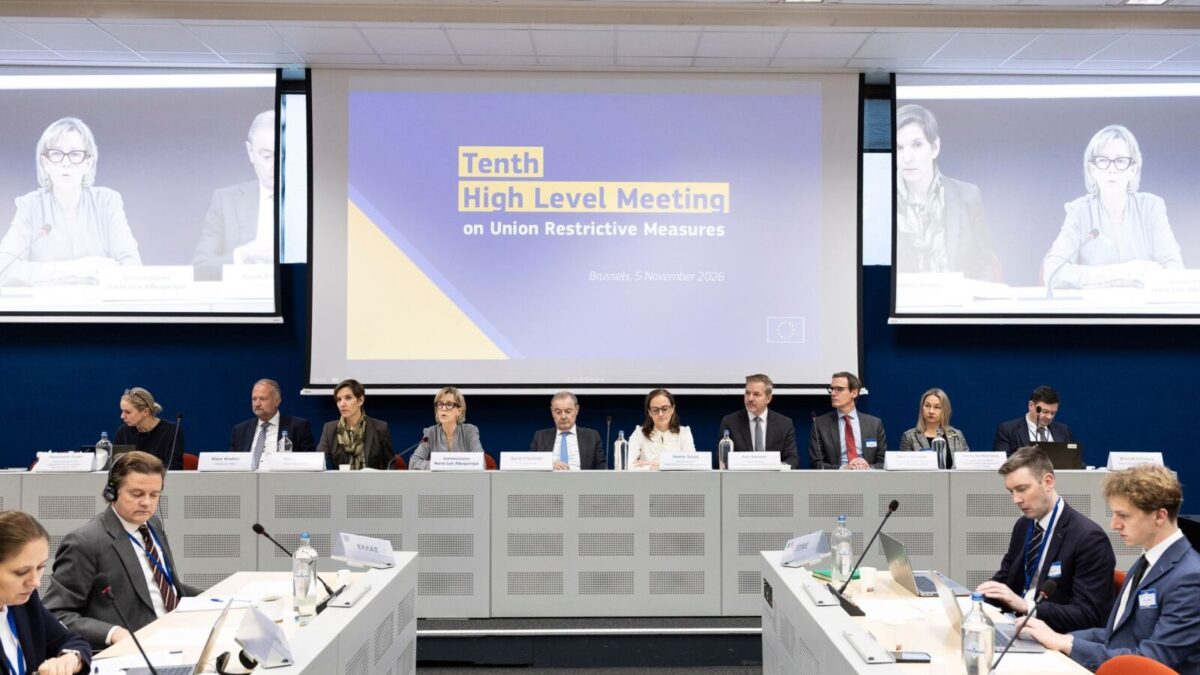
BRUSSELS, Belgium — The European Union will expand its Ukraine sanctions push with a dedicated office and a cryptocurrency task force, Commissioner for Financial Services Maria Luis Albuquerque announced on Nov. 5. The measures aim to strengthen coordination on sanctions and address ways they are circumvented.
The new office will support work ranging from drafting measures to preventing evasion. Albuquerque said it would help member states receive faster guidance and improve the sharing and analysis of data.
“will strengthen coordination, provide faster guidance to Member States and improve data sharing and analysis,” Albuquerque said in a social media post.
How will the EU’s sanctions office work?
The office is intended to help EU countries and institutions coordinate sanctions policy and close loopholes. European Commission spokesperson Siobhan McGarry said the goal was to preserve the measures’ effect on Russia.
“that we can continue to maximize (sanctions') impact on Russia itself,” McGarry said at a Nov. 6 press conference.
Albuquerque also announced a task force focused on cryptocurrency sanctions. The EU has been introducing more restrictions in the area, which officials say can be used to evade existing measures.
“Crypto is a tool that has been used to circumvent our sanctions,” McGarry said. The task force will bring together experts from EU institutions and national governments to develop measures that close those loopholes.
Crypto team initially planned for 12 months
An EU diplomat said the task force is initially expected to operate for 12 months. It will draw on expertise from third countries, including Ukraine and the U.K., which has also developed extensive sanctions targeting the crypto industry.
The initiative follows two sanctions meetings on Nov. 5. Albuquerque hosted one with EU countries and institutions focused on loopholes. A separate meeting brought together sanctions coordinators from allied countries and was hosted by EU sanctions envoy David O'Sullivan.
For member states, the office’s faster guidance and shared analysis could make it easier to implement sanctions consistently. The crypto task force, meanwhile, is designed to address a specific enforcement challenge: digital assets that can be used to bypass restrictions. Albuquerque said the measures would help the EU present a more united position internationally and work more effectively with G7 and like-minded partners.
The task force is initially envisaged to work for 12 months, the EU diplomat said.