Singapore Banks Face Slower Growth in 2027 as Deposit Competition Bites
Analysts expect Singapore’s banks to face slower growth in 2027 as deposit competition squeezes margins and wealth fees weaken. The outlook follows mixed third-quarter results: OCBC beat estimates, while DBS and UOB fell short. Analysts say the banks remain on different footing.
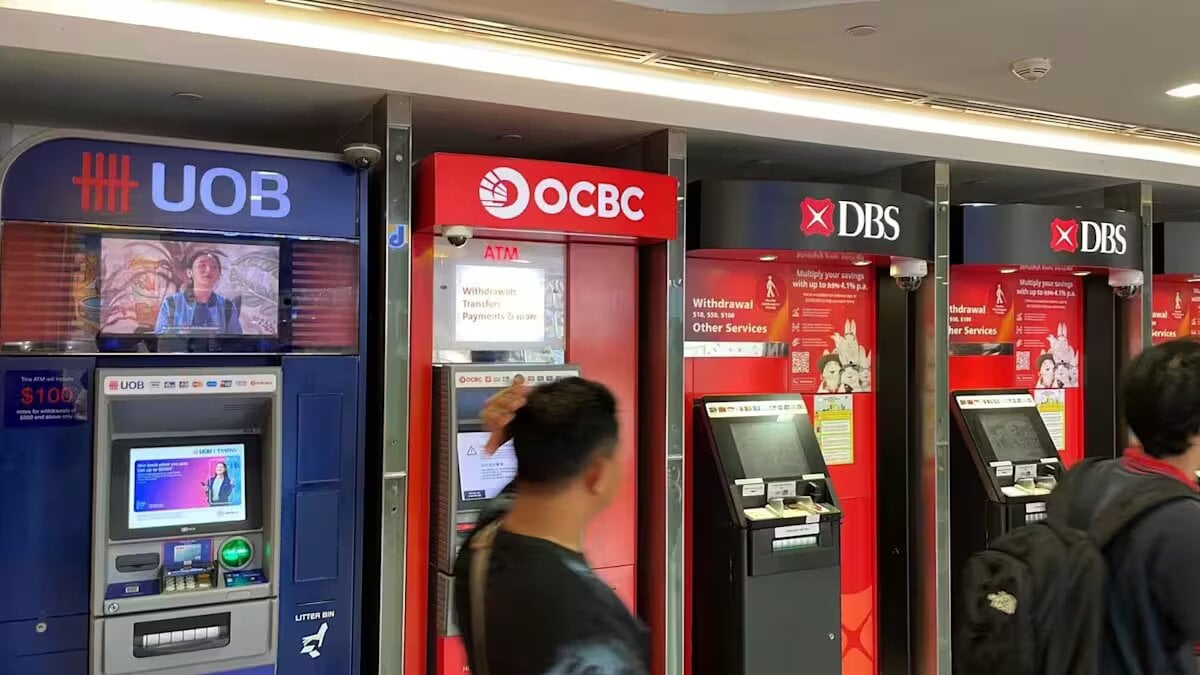
Singapore’s three largest banks may see slower growth in 2027 as deposit competition and weaker wealth fees pressure earnings, analysts said after mixed third-quarter results. The outlook matters to investors tracking the banks’ performance as DBS and UOB missed analysts’ expectations, while OCBC beat them.
“The boom years did a lot of the work for Singapore’s banks,” said Eric Xiao, head of sales in Asia for CMC Markets. “In 2027, they’ll have to do it themselves.”
Xiao said DBS took in a record S$15 billion (US$11.7 billion) of net new money in the third quarter, but wealth fees fell 6 per cent as clients traded less. He said monetizing the wealth boom appeared more difficult than expected.
Higher interest rates could eventually help banks, Xiao said, but margins may initially come under pressure because deposit rates tend to rise faster than loan rates. He did not expect a “down year” for the banks despite the tougher conditions.
Ritesh Ganeriwal, group head of investment and advisory at Syfe, said the banks’ core business held up in the third quarter, but “the problem is that interest rates are no longer doing the heavy lifting”.
Singapore rates have remained low even as US rates rise, while banks compete harder for deposits, Ganeriwal said. He expects slower growth in 2027, driven by loans and wealth fees, rather than a downturn.
Results released this week showed OCBC’s net profit rose 3 per cent to S$2.04 billion, beating analysts’ estimates. DBS reported net profit of S$2.81 billion for July to August, down 5 per cent from a year earlier.
UOB’s net profit rose 182 per cent to S$1.25 billion but missed expectations. The increase followed a low comparison base: UOB had set aside S$1.36 billion for credit and other losses in the third quarter of the previous year.
DBS shares have the steadiest outlook among the three, said Cheng Chye Hsern, head of investment at Providend. The bank’s management said net interest income had bottomed out and forecast mid-single-digit growth in total income next year.
DBS also has the highest profitability, Cheng said, but its share price is nearly three times its book value, compared with a historical average of 1.6 times.
Xiao said DBS and UOB missed analysts’ expectations for different reasons. DBS’s shortfall came from markets trading income plunging 65 per cent, which he said pointed to a rough quarter on trading desks rather than deeper issues.