Hong Myung-bo Quits After South Korea Misses Round of 32
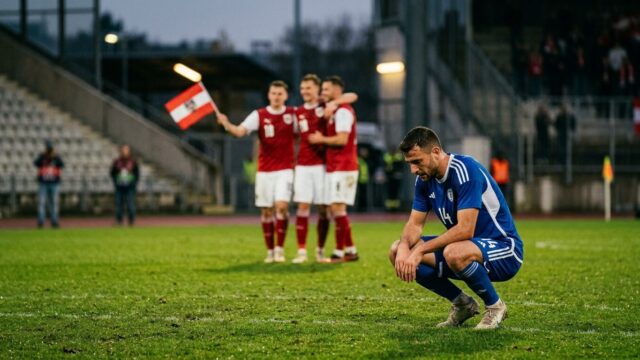
Hong Myung-bo resigns after South Korea miss the World Cup round of 32, leaving the KFA to find a new coach fast.
A painful repeat from 2014
For Hong Myung-bo, this failure feels like a harsh déjà vu. The former South Korea captain and national team legend at the 2002 World Cup was forced out in the same way after the 2014 World Cup in Brazil, when South Korea also exited in the group stage without a win.
This time, the squad looked stronger on paper. It had more recognizable names and more experience in Europe. On the field, though, the numbers told a different story. South Korea managed only one narrow win, a 2-1 victory over the Czech Republic. Those three points were not enough to save their place in the standings.
The Taeguk Warriors’ fate then depended on a complicated calculation for the best third-place teams from other groups. No miracle came. The other results closed the door on South Korea’s path to the knockout stage, and the disappointment quickly triggered criticism from domestic sports media.
Tactical problems that cost South Korea
Why did a squad filled with Europe-based players look so blunt? Analysts pointed to Hong Myung-bo’s rigid tactical setup. His trusted 4-2-3-1 system was easy for opponents to read. South Korea often ran out of ideas against teams that sat deep in a compact low block.
The biggest weakness showed up in transition, especially when the team lost possession. The gap between the lines was too wide, and the midfield was too easy to break through with quick one-two passes. Most of the goals South Korea conceded came from fast counterattacks, a sign that the back line recovered too slowly.
| Team Statistics | Group Stage |
|---|---|
| Wins | 1 Match |
| Goals Conceded | 5 Goals |
| Average Possession | 58% |
| Shot Accuracy | 34% |
Hong was also seen as too cautious in rotating his squad and making better use of promising young players from the K-League. He leaned heavily on established Europe-based names, even as they looked physically drained after a packed club season. Substitutions also often came too late, which left South Korea’s attack predictable in the second half.
The KFA now faces a major decision
Hong Myung-bo’s resignation forces the Korea Football Association to move quickly and rebuild. Important qualifying fixtures are already waiting, and leaving the bench empty for too long would put national-team stability at risk.
The KFA now has to do more than simply replace a name on the touchline. The next coach will need to match a modern style built on pace, tactical flexibility, and fast transitions. South Korean fans are now waiting for a decisive move from the federation, hoping it can bring the Taeguk Warriors back to the international stage with more authority.