Nothing Phone 4b ear 3a Specs Price Launch Date
Nothing Phone 4b and Ear 3a launch July 7: full specs, price estimates, battery, cameras, and how the Phone 4b compares with Nord CE6, Edge 60, and Galaxy A56 5G.
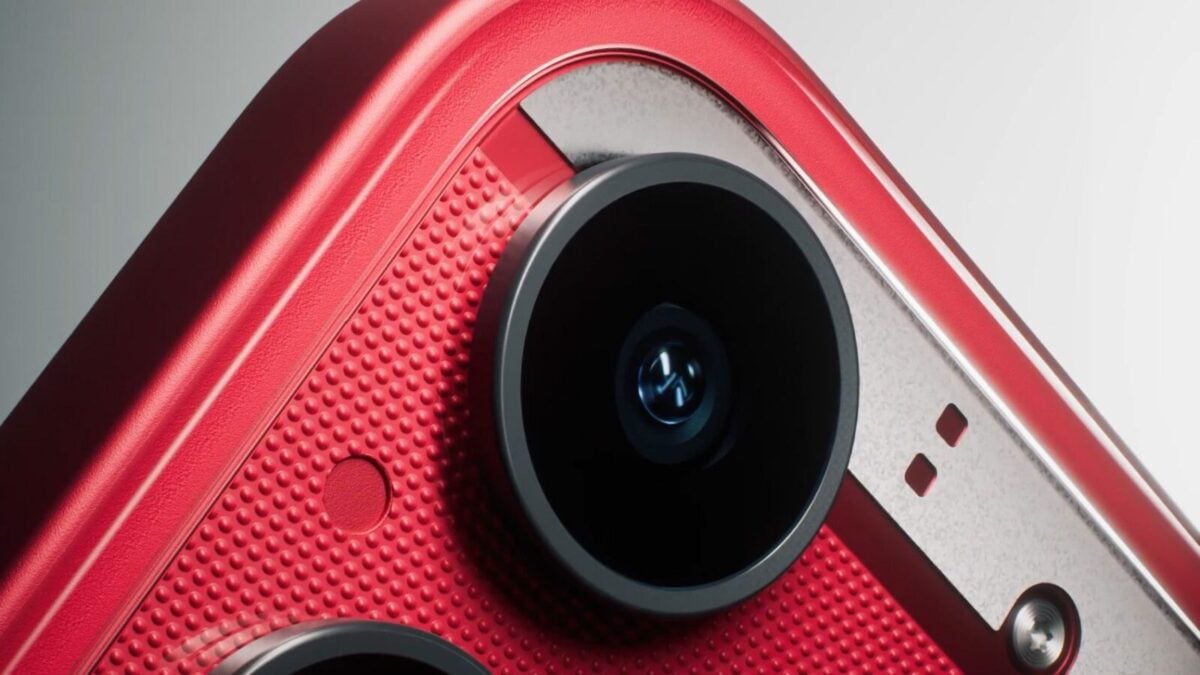
Nothing is once again shaking up the mid-range smartphone market. After years of operating in the premium and upper-midrange segments through the Phone series and Phone (a), the British company has officially announced the Nothing Phone (4b) — the first member of its more affordable “b” line — which will debut alongside the new Nothing Ear (3a) earbuds on July 7, 2026, at 11:00 BST (17:00 WIB).
Unlike the usual approach from brands that release budget lines with uninspired designs, Nothing is keeping its signature visual identity intact: Glyph Interface, transparent back panel, and now — bolder colors that feel anything but “cheap.” Here is JournalArta’s in-depth look at the confirmed official specs, along with how it stacks up against similarly priced rivals.
Design: New Unibody, Color as the Main Weapon
One of the biggest complaints about the earlier Phone (a) series was the glass-to-glass body that could crack more easily when dropped. Nothing addresses that with the Phone (4b) through a unibody construction that it claims is more precise. The transparent rear panel — a Nothing hallmark since the first generation — remains, now wrapped in a frame that blends seamlessly into the body.
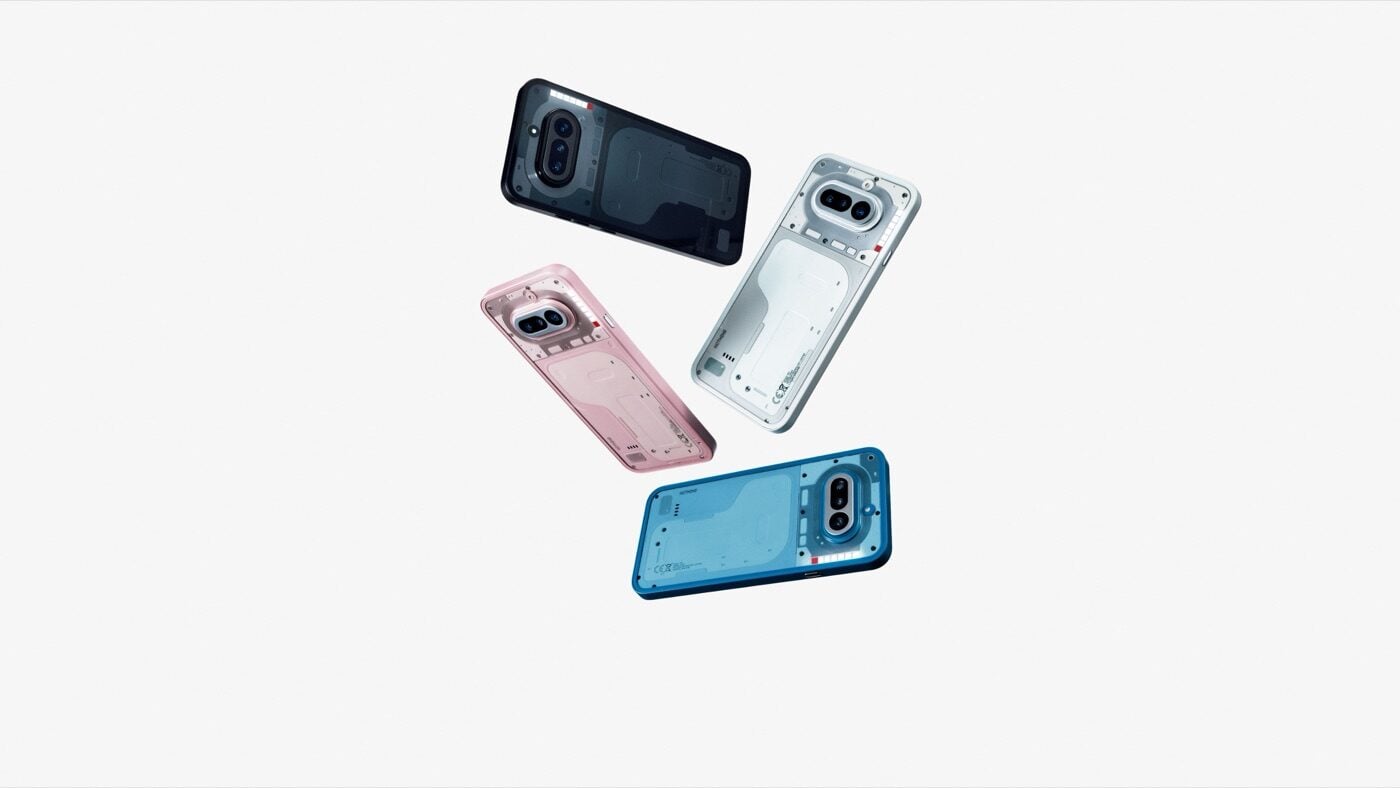
The most eye-catching move is the color strategy. Based on official promotional material on Nothing’s website, the Phone (4b) comes in four options: black, silver white, pink, and blue — with blue chosen as the launch hero color under the official tagline “You're hot, so is your phone.” Nothing Chief Brand Officer Charlie Smith said the move is meant to pull technology away from a cold, uniform look — a direct jab at the black-metal phone trend that dominates the market today.
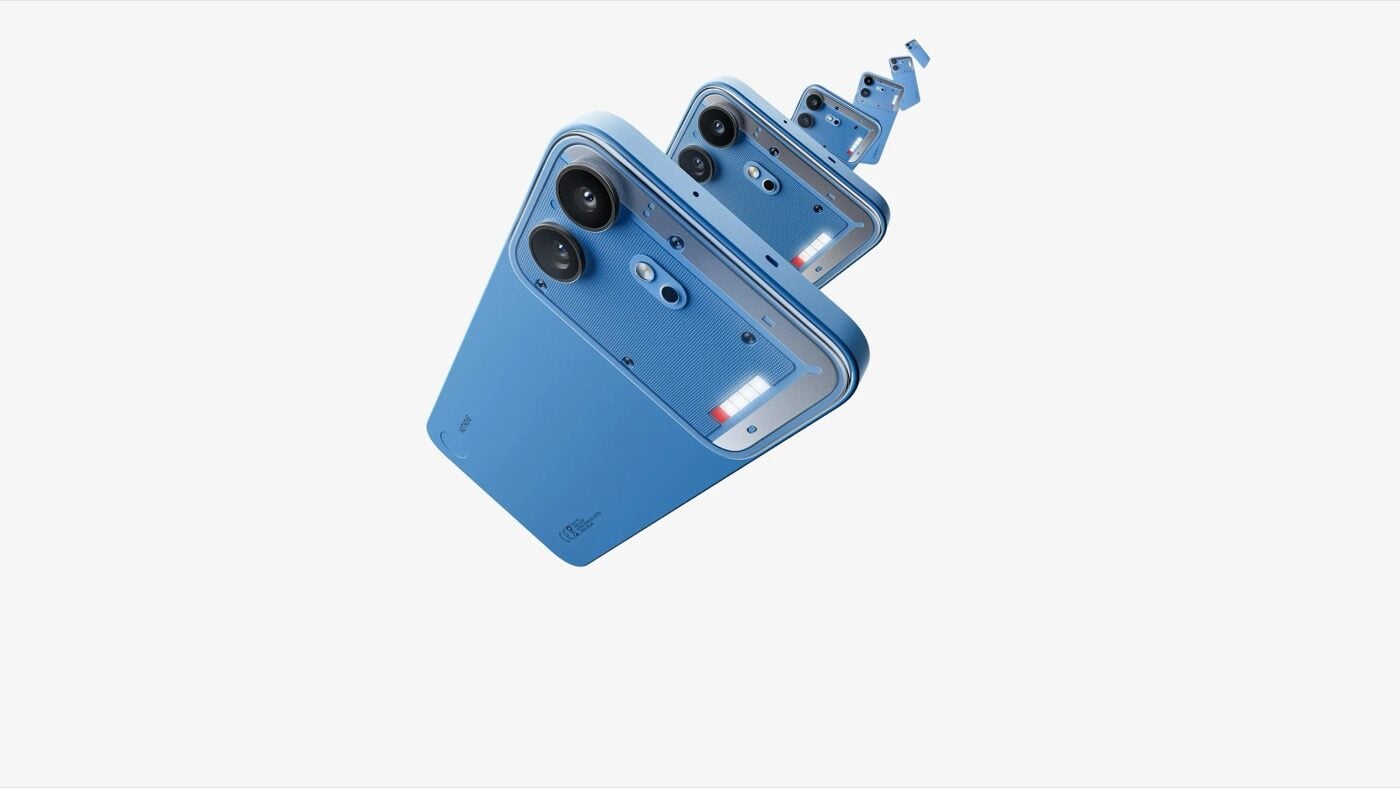
The signature Glyph Bar — a horizontal LED strip below the camera module, similar to the Phone (3a) design — returns, now with the ability to show live status (notifications, charging, and app-specific alerts) without waking the display.
Display and Processor: Enough for Daily Use, Not Heavy Gaming
The Phone (4b) uses a 6.77-inch FHD+ AMOLED display with a 120Hz refresh rate — standard fare in this class. On paper, however, Nothing takes a conservative route for the brain of the phone: the Qualcomm Snapdragon 6 Gen 4, a lower-midrange chipset that prioritizes power efficiency over raw performance.
The chipset is paired with 8GB of RAM and 128GB of storage (with a 256GB variant reportedly available), running Nothing OS 4.1 based on Android 16. Nothing promises relatively long software support for this class: 3 years of OS updates and 6 years of security patches.
Camera: Two Lenses, Focused on Practicality
On the back, the Phone (4b) relies on a combination of a 50MP main camera with OIS (optical image stabilization) plus an 8MP secondary camera that is likely to serve as an ultrawide lens. The front camera uses a 16MP sensor. This setup is not the most ambitious in the segment — as will be seen in the comparison table later — but the presence of OIS on the main camera remains a plus for low-light shots.
Battery: A New Record for Nothing Phone
This is worth highlighting: the 6,000mAh battery in the Phone (4b) is the largest ever in Nothing Phone history. Unfortunately, the jumbo capacity is paired with only 33W fast charging — relatively slow compared with rivals that have already reached 80W. In other words, the battery should last a very long time, but it will also take longer to fully recharge from zero.
Nothing Ear (3a): A More Affordable Sibling to Ear (3)

Joining the Phone (4b), Nothing is also preparing the Ear (3a) — a more affordable version of the flagship Ear (3) earbuds. Dubbed “your new party pill” by Nothing itself, the earbuds will come in four colors: white, black, yellow, and pink, priced at around €99 (roughly Rp1.6 million).
Detailed specs — driver size, ANC support, battery life — have not yet been officially disclosed by Nothing as of this writing. The only rumors so far suggest it may still include ANC and LDAC codec support, following the Ear (3). Confirmation will only come on launch day.
Nothing Phone (4b) vs. Similar Rivals
With an estimated price of Rp25,000–30,000 (around Rp4.3–5.1 million), the Phone (4b) will compete with several established names in the segment: OnePlus Nord CE6, Motorola Edge 60, and the most popular player in Indonesia, Samsung Galaxy A56 5G. Here is a comparison of the key specs:
| Specification | Nothing Phone (4b) | OnePlus Nord CE6 | Motorola Edge 60 | Samsung Galaxy A56 5G |
|---|---|---|---|---|
| Display | 6.77" AMOLED, 120Hz | 6.78" AMOLED 1.5K, 144Hz | 6.67" P-OLED 1.5K, 120Hz, HDR10+ | 6.7" Super AMOLED, 120Hz, HDR10+ |
| Chipset | Snapdragon 6 Gen 4 | Snapdragon 7s Gen 4 | Dimensity 7300 (4nm) | Exynos 1580 (4nm) |
| RAM/Storage | 8GB/128GB (up to 256GB) | 8GB/256GB | 12GB/256–512GB | 8GB/128GB or 12GB/256GB |
| Rear camera | 50MP OIS + 8MP | 50MP OIS (no ultrawide) | 50MP OIS + 50MP ultrawide + 10MP 3x tele | 50MP OIS + 12MP ultrawide + 5MP macro |
| Battery | 6,000mAh, 33W | 8,000mAh, 80W | 5,200mAh | 5,000mAh, 45W |
| Durability | Unibody | MIL-STD-810H | IP68/IP69, MIL-STD-810H, Gorilla Glass 7i | IP67, Gorilla Glass Victus+ (front and back) |
| Software | Nothing OS 4.1 (Android 16), 3+6 years of updates | OxygenOS 16 (Android 16) | — | One UI (Android 16) |
| Price (est./official) | ~Rp4.3–5.1 million (est.) | ~Rp5.4 million (est.) | ~Rp4.3–6.1 million (est.) | Rp5–6.6 million (official Indonesia) |
From the table above, it is clear: Nothing stands out in its software longevity promise (3+6 years of updates on paper) and its design identity, but it falls far behind in battery and charging — the OnePlus Nord CE6 is well ahead with 8,000mAh and 80W charging. On the camera side, the Motorola Edge 60 and Samsung Galaxy A56 5G both offer triple cameras (Motorola adds a 3x telephoto lens, Samsung adds macro), compared with Nothing’s dual-camera setup and OnePlus’s single rear camera (the CE6 even removes the ultrawide lens found in the previous generation). The Galaxy A56 5G is also the only device in this table with a confirmed official price — starting at Rp5 million — and is the easiest to find thanks to Samsung’s broad distribution network in Indonesia.
Pros and Considerations on Paper
Pros:
- A truly distinct design identity — the Glyph Bar and transparent back are unmatched by any rival in this class
- The largest 6,000mAh battery in the Nothing Phone lineup, suitable for a full day of use
- A 3+6 year software update promise — rare at this price point
- OIS on the main camera, a feature still uncommon in this price range
Considerations:
- Lower-midrange chipset performance, not ideal for heavy gaming
- 33W charging lags well behind rivals (up to 80W on OnePlus)
- Dual camera setup, not triple like the Motorola Edge 60 and Samsung Galaxy A56 5G