Tim Burton on AI Copying Artists: What’s Really at Stake
Tim Burton says AI copying artists' styles feels like stealing their soul. Here's why the debate matters for creators, studios, and anyone who consumes visual content.
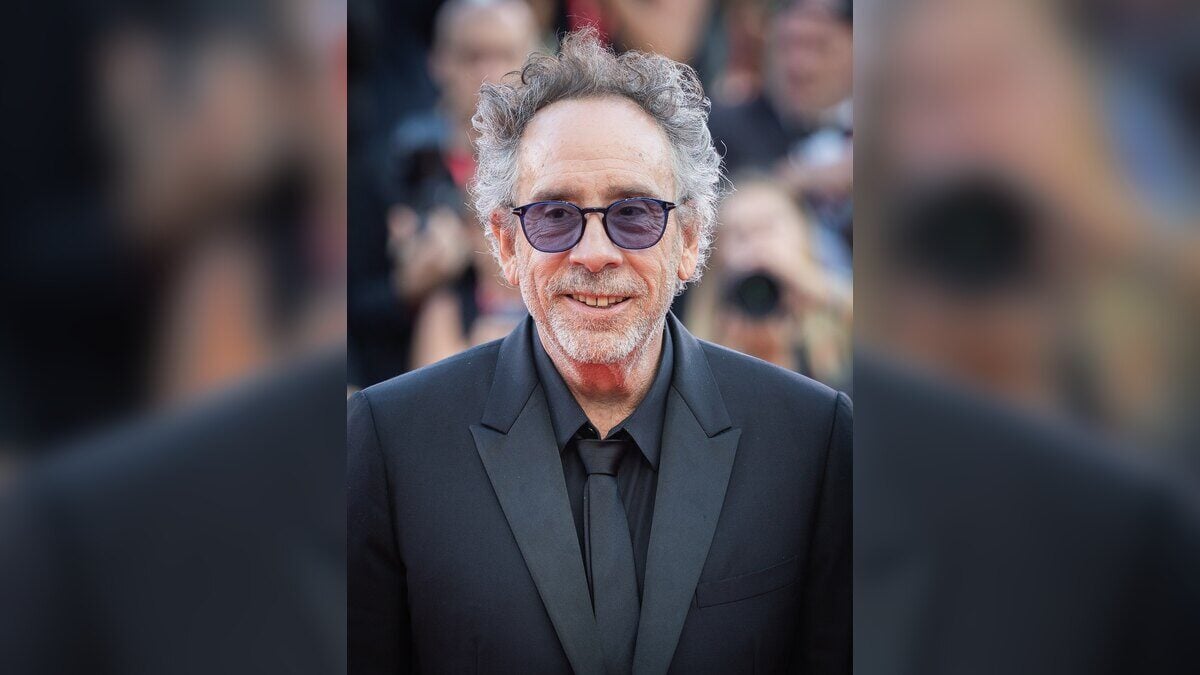
JAKARTA — AI copying artists' styles has reignited debate after director Tim Burton said the practice feels like a machine extracting the soul from creative work. His comments surfaced after AI-generated images styled to resemble his signature aesthetic were circulated using generative AI tools, as reported by The Independent and TechRadar Pro in pieces covering Burton's views on machine-made art.
On the surface, the issue seems straightforward. AI can now produce images and video from text prompts. The results are often stunning. But beneath that polished surface lies a problem unsettling many artists: AI models train on millions of existing works, then generate new visuals that closely mirror the style of their creators. At that point, the line between inspiration and copying starts to blur. And that blur is costly.
Why Burton's Critique Lands Hard
Burton is no minor figure in visual culture. He built his reputation on films like Edward Scissorhands and The Nightmare Before Christmas — works instantly recognizable through silhouette, palette, and an atmosphere that's odd yet oddly poetic. So when AI replicates that aesthetic, the complaint isn't just about lookalike images. What's at stake is basic respect for artistic process.
Speaking to The Independent, Burton compared seeing his style imitated by AI to the belief, held in some cultures, that cameras can "take something from the soul." The analogy is sharp but accessible. Many creators feel their work is more than its final form. Embedded in it are choices, failures, personal habits of hand, even private memories.
If a machine can copy all those layers from a few hundred words of text prompts, what does originality mean? That question is heating the conversation fast. Because creative industries survive on differentiation. Once a personal style becomes a template anyone can activate on demand, the original creator's value erodes with it.
From Miyazaki to Major Studios
Burton isn't alone in his unease. Hayao Miyazaki also delivered a blunt rejection when he saw AI used to assist illustration work, calling it "an insult to life itself" in response to an AI demo on the Boro the Caterpillar project. For Miyazaki, art requires a human touch that can't be compressed into an algorithm.
These critiques don't exist in a vacuum. BuzzFeed previously used AI to imagine Disney films directed by various filmmakers. The results, according to many observers, were uncanny in the unsettling sense — visually arresting, yet confirming one thing: these tools are skilled at copying surfaces, not necessarily at understanding feeling.
Studios, meanwhile, are moving in the opposite direction. Lionsgate entered a partnership with Runway AI for production needs and on-screen elements. A24 is working with Google to develop AI-powered filmmaking tools. The industry isn't waiting for the ethical debate to resolve. The machines keep coming. Quickly.
This Isn't Just a "Can It or Can't It" Question
Debates about AI copying artists often get reduced to a technical question: can the tool produce good images? The more fundamental questions are about ethics, copyright, and what creative labor is actually worth. If a system trains on work taken without clear consent, then monetizes the output, who deserves the benefit?
For Indonesian creators, this is immediately relevant. Freelance illustrators, poster designers, production houses, and ad agencies are already fielding requests for fast, cheap visuals. AI does save time. But when a client asks to "make it look like this specific artist," the potential for conflict grows sharply. Creators risk losing work — or at minimum, losing their negotiating position.
Not every use of AI in art is automatically problematic. Many studios and creatives use it for previsualization, concept research, or repetitive technical tasks. The trouble starts when AI is positioned as a replacement for human hands, human eyes, and human aesthetic judgment. That's when art becomes a mimicry engine. And that's exactly what Burton, Miyazaki, and many others are objecting to.
What This Debate Means for Everyday Readers
For general audiences, this matters because almost everyone now encounters AI-generated content. Promotional images, event posters, small social media ads, even news illustrations can be produced in minutes. It looks effortless. But behind that ease lies a question worth sitting with: are we using a helpful tool, or are we giving space to a system that extracts creative labor without fair compensation?
Tech companies typically offer a reassuring answer. They talk efficiency, access, and democratizing creativity. There's truth in that. But Burton's experience reveals the other side: AI can make art feel cold when it's used to replicate the most personal traits of a maker's voice. It's not just the output being taken. Identity gets dismantled in the process.
This debate shows no sign of cooling. Major studios keep advancing, AI tools keep improving, and artists keep raising warnings. What's clear is that this conversation has moved well past funny images or viral videos. It touches creator dignity, how industries function, and the future of originality itself. One figure captures the scale of the shift: in just months, generative AI tools can produce thousands of images in any artist's style — far faster than the days of manual work each would once have required.
Three key takeaways:
1. Tim Burton says AI mimicking an artist's style feels like stealing the soul of their work.
2. Major film studios are adopting AI even as prominent artists push back strongly.
3. The core debate is about ethics, copyright, and what originality is worth.
Quick FAQ:
Is all AI art use problematic? No. AI can support research or previsualization, but it becomes an issue when it imitates a specific style without clear permission.
Why does Burton's comment matter? It gives voice to a wider anxiety among creators who feel their most personal artistic traits can now be replicated by a machine.
What does this mean for general readers? More of the visual content we encounter daily may be AI-generated, making basic literacy around ethics and copyright increasingly important.