UN Says Palestinian Child Protection Weakens in Gaza and West Bank
UN warns Palestinian child protection is weakening in Gaza and the West Bank as aid restrictions cut off legal aid and emergency support.
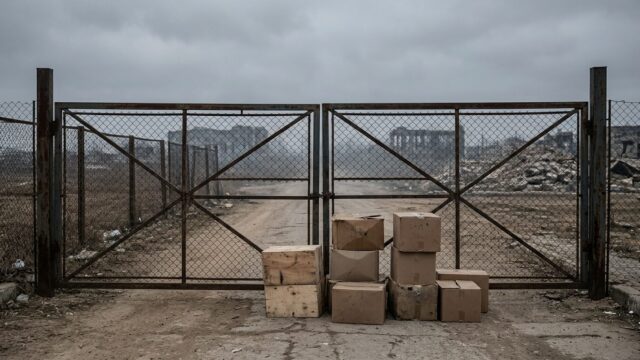
GAZA — UN Says Palestinian Child Protection Weakens in Gaza and West Bank after the UN Committee on the Rights of the Child said on Monday, June 23, 2026, that several humanitarian organizations and human rights defenders had been forced to scale back work in Palestinian territory. The warning points to immediate consequences for children in Gaza and the West Bank, where legal aid, emergency protection and basic support are already harder to reach.
The committee said the shrinking space for aid work is not a distant policy fight. It is already changing what families can access, who can document abuses, and how quickly children injured or displaced by violence can get help.
UN warns Palestinian child protection is under pressure
In a statement distributed through the Office of the UN High Commissioner for Human Rights, or OHCHR, the committee said civil society groups have spent decades helping Palestinian children, including by supporting cases in Israeli military courts and documenting alleged violations by Israeli forces.
“For more than three decades, these organizations have played a vital role in defending Palestinian children, including in Israeli military courts, and in documenting grave violations against Palestinian children by Israeli forces,” the committee said.
The panel said those groups are now facing military raids, travel bans, personal financial sanctions, arrest threats, destruction of archives and threats of secondary sanctions against partners who work with them. That mix, it said, makes it harder for organizations to operate safely and serve families who depend on them.
“This makes it increasingly impossible for these organizations to operate safely or protect the children and families seeking help,” the committee wrote.
The committee also said some rights groups have been labeled “terrorists,” a designation it argued has helped justify wider restrictions on their work. The effect, according to the panel, is to leave Palestinian children “increasingly unprotected” while abuses go unrecorded and unpunished.
Why the restrictions matter now
The issue has taken on greater urgency as conditions in Gaza remain severe and access to aid stays tightly controlled. Children who have been injured, separated from relatives or exposed to repeated violence often rely on outside organizations for medicine, legal support and psychosocial care. When those groups are blocked, the gap opens fast.
In the West Bank, families face a different but related pressure. Arrest risks, raids and movement restrictions make it harder for child protection teams to reach homes, clinics and courts. That slows everything from case monitoring to emergency referrals.
One short delay can do real damage. A child who misses treatment may worsen. A family seeking help may have nowhere to turn. A case of abuse may never be documented.
The UN has called on the international community to press Israeli authorities over what it described as attacks on Palestinian human rights defenders. The committee also urged Israel to lift restrictions on humanitarian workers and aid groups, saying access is tied directly to children’s rights to life, health and protection.
The warning came as Israel tightened humanitarian operations in Gaza after the cease-fire that began on October 10. According to the same material cited by the committee, the Israeli government barred Doctors Without Borders, known as MSF, after the group did not hand over a list of its Palestinian staff.
That decision matters far beyond one organization. If an aid group cannot operate, medical care, medicine delivery and counseling services can stop with little warning. Families living through war do not have time to wait for bureaucracy to clear.
Humanitarian access and accountability
The committee’s warning also speaks to accountability. Rights groups and local organizations do more than hand out supplies. They collect evidence, support legal cases and preserve records that may later be used in court. When they are pushed out, the chain from abuse reporting to legal redress weakens.
In February, 17 international aid groups filed a petition to Israel’s Supreme Court seeking permission to keep working in Gaza and other occupied Palestinian territories. They argued their operations provide food, medicine and basic protection to people who have little else to rely on.
That petition shows how narrow the operating space has become. And it also shows how much hangs on these groups staying in the field. Without them, the system that supports children becomes thinner, slower and easier to break.
A human rights official quoted in the OHCHR statement warned that pressure on defenders in Palestinian territory could drive a wider chilling effect. When the “terrorist” label is used against civil organizations, the official said, donors and partners may pull back because they fear legal exposure or follow-on sanctions.
The numbers in the committee’s warning underline the scale of the problem: 17 aid groups have already gone to court to preserve access, while local organizations with decades of experience are being told, in effect, to keep working under threat. For Palestinian children, the next decision on restrictions will matter immediately. One more cut in access, and the space for protection shrinks again.