South Africa’s GNU Parliament Faces Legislative Logjam as Private Members’ Bills Proliferate
The South African Parliament is currently navigating a surge in Private Members’ Bills, testing the operational capacity of the Government of National Unity ...
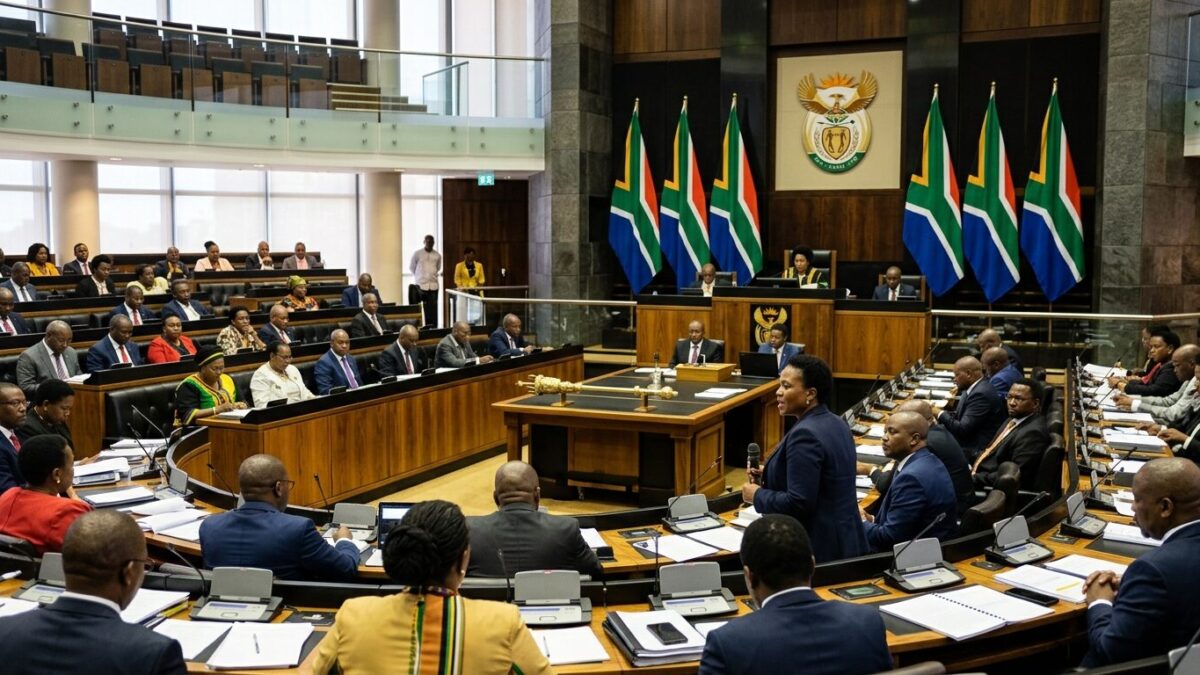
The South African Parliament is currently navigating a surge in Private Members’ Bills, testing the operational capacity of the Government of National Unity (GNU) as it enters a new legislative cycle. Lawmakers from across the political spectrum are increasingly leveraging their individual right to draft legislation, signaling a shift in how policy is initiated within the chamber.
This trend toward decentralized lawmaking comes as the GNU attempts to stabilize its internal coalition dynamics. While the executive branch typically steers the legislative agenda, the rise in individual initiatives suggests that smaller parties and individual members are eager to stamp their mark on national policy. The influx of these bills places significant pressure on parliamentary committees, which must now balance the government’s core priorities against a growing pile of independent proposals.
The legislative floor is becoming crowded. Political observers note that this uptick reflects a more assertive legislature, one where the traditional dominance of the executive’s agenda is being challenged by a diverse array of voices. For the GNU, the challenge lies in maintaining a coherent governing program while respecting the constitutional right of every Member of Parliament to introduce their own draft laws.
Observers suggest that this phenomenon is not merely a procedural matter but a symptom of the current political climate. As parties jockey for relevance within the coalition, the ability to champion specific legislative causes has become a vital tool for maintaining visibility. However, the administrative burden on the parliamentary secretariat is mounting, with staff struggling to process the volume of draft legislation arriving at their desks.
This legislative activity unfolds against a backdrop of broader political shifts. Zandile Gumede, a prominent figure in the political landscape, has recently transitioned to the MK Party as the KwaZulu-Natal deputy convenor, further stirring the pot of regional and national alliances. Such realignments often precede shifts in voting patterns, which in turn influence the fate of the very bills currently clogging the parliamentary pipeline.
Meanwhile, the public remains focused on the integrity of the state and its institutions. Proceedings at the commission level have reached a fever pitch, with revelations that Mkhwanazi was aware of looming arrests while Khan was preparing to provide testimony. These developments serve as a constant reminder to the legislature that their work occurs under intense public scrutiny, where every policy decision is weighed against the backdrop of ongoing accountability efforts.
The parliamentary calendar remains packed as committees grapple with the dual pressure of government mandates and the persistent influx of private initiatives. Whether this surge in individual legislative action will result in meaningful policy reform or simply gridlock remains the central question for the current session. The secretariat has yet to confirm how many of these bills will reach the floor for a full vote before the year concludes.