Strait of Hormuz Standoff Deepens as Washington Scrambles for Exit Strategy
The Strait of Hormuz has transformed from a vital global shipping lane into a volatile theater of war, with the U.S. and Iran locked in
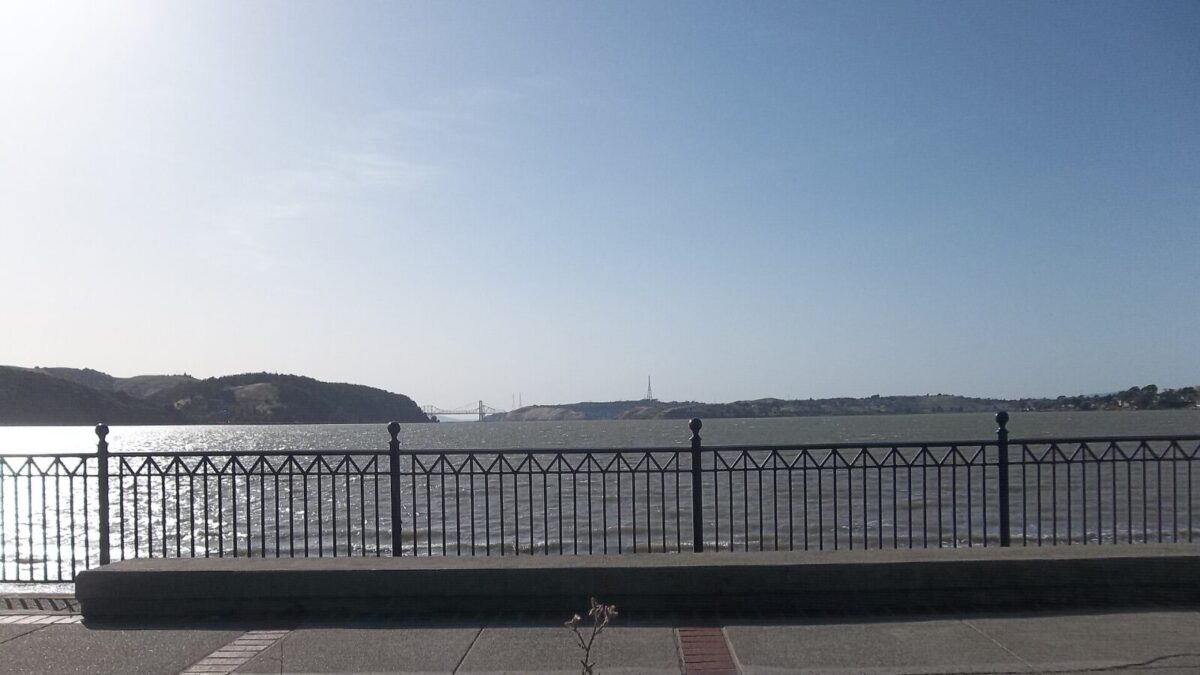
The Strait of Hormuz has transformed from a vital global shipping lane into a volatile theater of war, with the U.S. and Iran locked in a spiraling cycle of retaliation. More than four months into a conflict that was originally projected by President Donald Trump to last only a few weeks, the path toward peace has all but vanished.
The strategic waterway, which handles 20% of the world’s daily oil and natural gas supply, remains at the heart of the deadlock. What began as a military campaign in late February has devolved into a messy, unpredictable struggle for control. With the collapse of a month-old memorandum of understanding that briefly promised a ceasefire, both nations are back to trading blows, leaving global energy security hanging in the balance.
A Strategy in Flux
President Trump’s approach to the crisis has been characterized by sharp, often contradictory pivots. On Monday, the White House announced a rigid blockade of Iranian oil exports, paired with a controversial demand: a 20% toll on all vessels—including those of American allies—passing through the Strait. Trump justified the levy as a reimbursement for the costs associated with securing the region.
The policy lasted exactly 24 hours. By Tuesday, the administration abandoned the toll proposal. In its place, the White House suggested a new path involving trade and investment deals with Persian Gulf allies, effectively offering them safe passage in exchange for economic cooperation. This sudden reversal underscores a presidency searching for unorthodox, and sometimes desperate, ways to extricate itself from an increasingly unpopular military entanglement.
Escalation and Economic Pain
The current hostilities represent a dramatic departure from the status quo that existed before February 28. Prior to the onset of U.S.-Israeli strikes, the Strait of Hormuz functioned as an open channel for international commerce. Today, the Iranian Islamic Revolutionary Guard Corps (IRGC) has shuttered the chokepoint, citing the military campaign as a direct threat to national security. The resulting disruption has triggered economic tremors that reach far beyond the Persian Gulf.
The U.S. response has been kinetic. After Iran targeted merchant ships near the Omani coast, American forces retaliated with airstrikes against Iranian military bases and infrastructure, including the destruction of at least two bridges. Tehran responded in kind, launching attacks on U.S. military positions and facilities operated by American allies in the region. The tit-for-tat strikes have made a mockery of earlier diplomatic efforts, ensuring that the conflict remains active and dangerous for any vessel attempting to transit the region.
The Cost of Impasse
Historians and national security analysts warn that the situation is deteriorating into a war of attrition. Max Boot, a senior fellow at the Council on Foreign Relations, notes that the conflict shows no signs of resolution despite the short-lived ceasefire attempts. The reality on the ground is stark: as long as the IRGC maintains its grip on the waterway as a primary tool of deterrence, the U.S. remains trapped in a mission that lacks a clear finish line.
The pressure on the White House is mounting. Beyond the strategic failures of the blockade, the war’s domestic unpopularity and the looming threat of rising energy prices are complicating Trump’s options. Military leaders and foreign policy aides are now faced with the reality that the escalation has not degraded Iranian capabilities to the extent originally expected. Instead, the focus has shifted to simply maintaining a presence in a region where the risks to American forces and their allies are increasing by the day.
As the blockade enters its latest phase, the international community watches for signs of a more sustainable diplomatic framework. For now, the prospect of a lasting peace remains elusive, with the Strait of Hormuz serving as a bottleneck for both global oil supplies and the political future of the Trump administration’s foreign policy in the Middle East.