UK Parliament Debates Hillsborough Law as Outgoing Prime Minister Faces Final Legislative Hurdles
The British government reached a pivotal moment in the House of Commons today as the outgoing prime minister initiated the third reading of the long-awaited
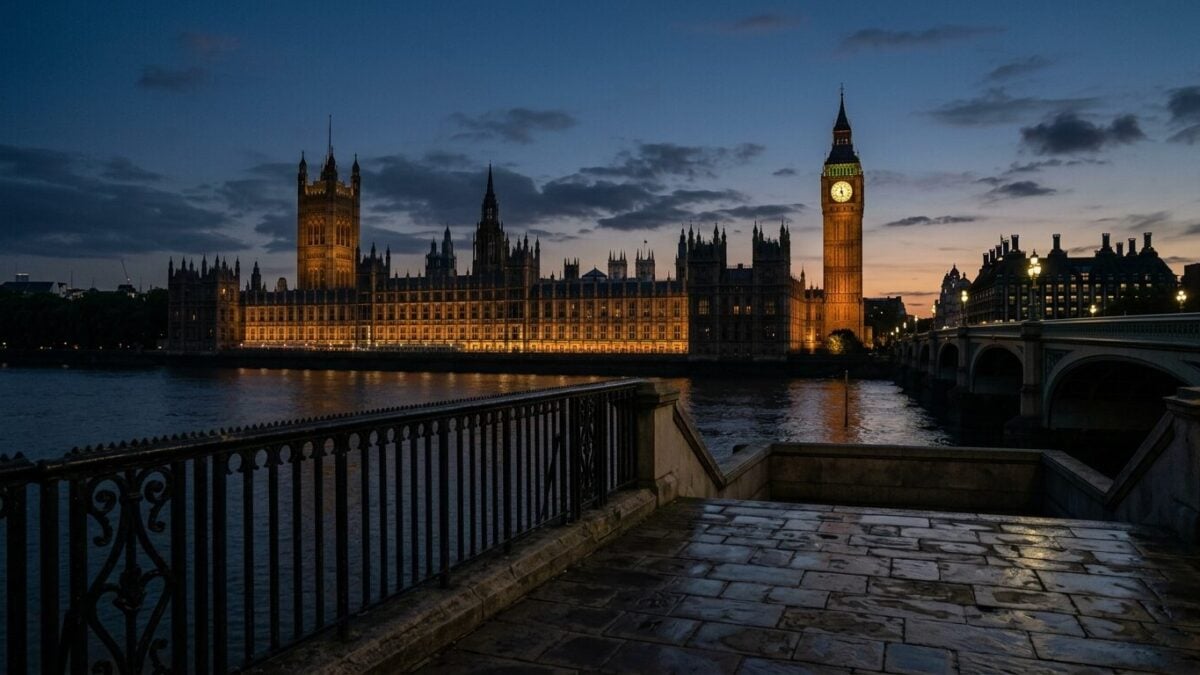
The British government reached a pivotal moment in the House of Commons today as the outgoing prime minister initiated the third reading of the long-awaited Hillsborough Law bill. This legislative push marks a final, significant effort to reshape how public officials respond to tragedies, aiming to mandate transparency and honesty during investigations.
As the chamber filled for the proceedings, the atmosphere remained charged with political tension. The debate drew high-profile figures, including Andy Burnham, who joined the outgoing prime minister in addressing the floor. The proposed legislation seeks to ensure that families of victims in future disasters do not face the same decades-long struggle for accountability that followed the 1989 Hillsborough stadium tragedy.
Shifting Political Dynamics
The legislative agenda has been complicated by the shifting landscape of Westminster. While the focus remained firmly on the Hillsborough Law, political maneuvering continued behind the scenes. Conservative lawmaker Alec Shelbrooke challenged the government during the session, seeking clarity on the opposition’s future strategy. In a sharp exchange, Campbell confirmed he remained completely in the dark regarding the specific wording of a motion the Tories intend to table tomorrow.
This lack of communication highlights the volatility in the Commons as the current administration prepares to transition. The Hillsborough Law itself represents a culmination of years of advocacy. Its passage is viewed by many as a necessary correction to the culture of defensiveness that has historically plagued public bodies. By forcing a statutory duty of candor, the bill intends to prevent the obfuscation that characterized the aftermath of the Hillsborough disaster, where 97 people lost their lives.
The Path to Final Approval
The third reading is the final opportunity for MPs to debate the contents of the bill before it moves toward the House of Lords. Supporters of the legislation argue that the current legal framework is insufficient to hold powerful institutions accountable when they fail the public. For those who have campaigned since the 1980s, today’s debate is more than just procedural—it is the potential end of a grueling legal marathon.
However, the bill’s progress occurs against a backdrop of wider parliamentary friction. As the outgoing prime minister guides this landmark legislation through its final stages, the government must also contend with a restless opposition. The uncertainty surrounding tomorrow’s Tory motion suggests that the legislative path ahead remains precarious. Despite these distractions, the focus within the chamber stayed centered on the mechanics of the law, with advocates pushing for a swift conclusion to the debate. The outcome of today’s vote will determine whether the principle of institutional honesty finally becomes a cornerstone of British law, marking a definitive change in the relationship between the state and those it serves.