One hour of rain floods Gurugram streets again, reviving debate over urban drainage
Hour of rain was enough to throw Gurugram’s streets into disorder again. The downpour left water pooling on roads and once more put the
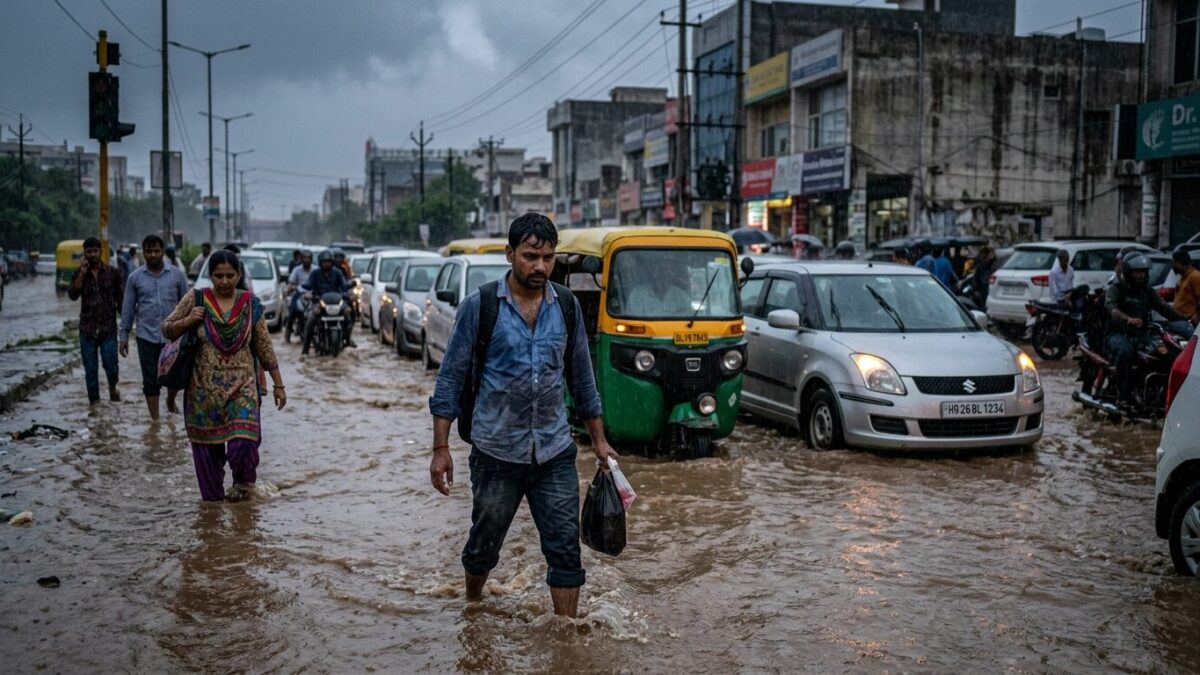
One hour of rain was enough to throw Gurugram’s streets into disorder again. The downpour left water pooling on roads and once more put the city’s civic infrastructure under a harsh public test, according to a video report from NDTV published on Aug. 24, 2026.
A familiar city problem
The scene is a familiar one for many Indian cities, but Gurugram keeps standing out. A brief burst of rain can still overwhelm road drainage, slow traffic and expose weak points in planning that residents and commuters deal with every monsoon season. The latest flooding episode adds Gurugram to a wider pattern seen this month across urban India.
In Pune, relentless rainfall on Friday flooded underpasses, waterlogged streets and bridges, sending motorists crawling across the city. Pune traffic police said average speeds on city roads dropped to 21.8 km per hour in the morning and 20.7 km per hour by afternoon. Commuters were stranded for 25 to 30 minutes to cover barely a kilometre in some areas.
Urban roads under strain
The Pune slowdown spread across several choke points, including the Pune-Nashik highway at Chakan, ABC Farm Chowk, Veer Santaji Ghorpade Path, the stretch from Dengle Bridge to Juna Bazaar and roads toward Pune railway station. In Kondhwa, NIBM Road and Salunke Vihar Road, congestion built after waterlogging. On Sus Road, the traffic crawl stretched for several kilometres. Some commuters said a route that usually takes around 15 minutes stretched beyond an hour and a half.
One local resident, Sudesh Amre, said it took him around 35 minutes to get home from ABC Farm Chowk, a distance of less than a kilometre. The numbers and the delays point to the same issue Gurugram has faced for years: when rain falls hard and fast, city systems struggle to cope.
Rain, drains and preparedness
Elsewhere, Kerala’s August floods have raised similar questions about preparedness, this time around weather forecasting and disaster planning. The state saw extremely heavy rain under the influence of a depression and an offshore trough, with some places recording rainfall that resembled cloudburst-like conditions. A rain gauge maintained by the Kerala State Disaster Management Authority recorded 361 mm in Vadasserikkara over 24 hours ending Aug. 1, while the IMD station at Laha in Pathanamthitta recorded 250 mm in the same period.
The shared thread is plain. Short, intense rain can overwhelm roads, drains and alerts when cities are built faster than they are protected. For Gurugram, the latest flooding is another reminder that a single hour of rain can still bring a major urban hub to a standstill. The video report leaves that point hanging in the open: one hour, one city, the same old waterlogged roads.