Burnham weighs cheaper tuition for EU students as Labour looks for growth, cash and diplomatic room
Andy Burnham is weighing up a cut in tuition costs for students from the European Union as Britain’s Labour government searches for ways to make
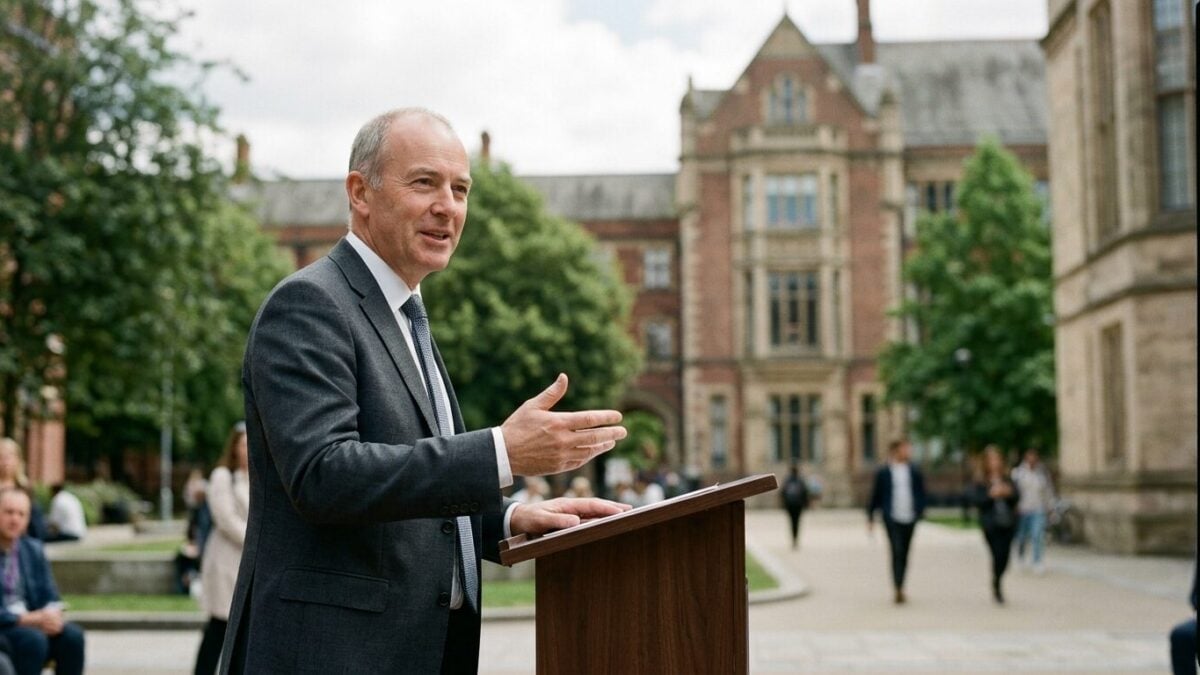
Andy Burnham is weighing up a cut in tuition costs for students from the European Union as Britain’s Labour government searches for ways to make the country more attractive again, according to reports on Aug. 25, 2026. The idea lands as ministers also face pressure on welfare spending, trade tensions with Washington and calls to revive parts of Britain’s appeal to young people and talent.
Why the tuition idea matters
The proposal would mark a notable shift in tone after years of tighter rules around migration and access to the UK market. Burnham has already been linked to plans to broaden railcard eligibility, with the government moving to extend the 16-17 Saver Railcard so thousands of students can get 50% off rail tickets until the day before they turn 19.
That is the immediate context. Cheap travel first. Cheaper study next?
Behind the tuition debate sits a wider question: how Britain competes for young people at a time when other countries are also trying to draw them in. The Financial Times reported earlier that Keir Starmer had considered allowing 100,000 young Europeans to come to the UK every year, a sign that Labour has been looking at ways to rebuild ties with the continent without reopening the old free-movement model.
Pressure on the public purse
Any move on tuition fees would also run into the government’s fiscal reality. Welfare spending this financial year is set to reach £353 billion, up from £314 billion when Labour entered Downing Street in 2024, according to the material cited. The Office for Budget Responsibility expects that figure to rise to £409 billion by 2030, a jump of almost £100 billion in one parliament.
That is not a small number. It is a warning.
The swelling bill reflects Britain’s ageing population, but also the rising cost of health and disability benefits. The coverage points to a sharp increase in Personal Independence Payments and the health-related parts of Universal Credit, with more than four million people now claiming PIP, up from fewer than two million in 2018. Mental and behavioural disorders account for around 44% of all PIP claims, and close to 70% among under-25s.
Trade, tech and the broader reset
Labour’s domestic balancing act is unfolding alongside pressure from abroad. The U.K. government has signalled it is open to reconsidering its digital services tax after warnings from the Trump administration, which has said threats to scrap a trade deal with Britain and impose a 100% tariff were “not a bluff.”
Britain’s digital tax applies a 2% levy on revenues from search engines, social media services and online marketplaces that profit from U.K. users. Several European countries, including Portugal, Spain and Poland, have similar levies in place, but the issue has become another test of how far London will bend to protect a broader commercial relationship with Washington.
That makes the tuition discussion look less like an isolated education tweak and more like part of a wider recalibration. Burnham’s railcard plans, the talk of easier access for young Europeans, and the government’s willingness to revisit tax and trade positions all point in the same direction: Labour is trying to lower barriers without looking weak on control. The next move will show whether that reset reaches British universities, too.