South Africa’s Government Challenges Court Ruling on Social Grant System as Poverty Crisis Deepens
's government is fighting back against a court judgment that found its R370 monthly poverty grant deliberately designed to shut out millions of e...
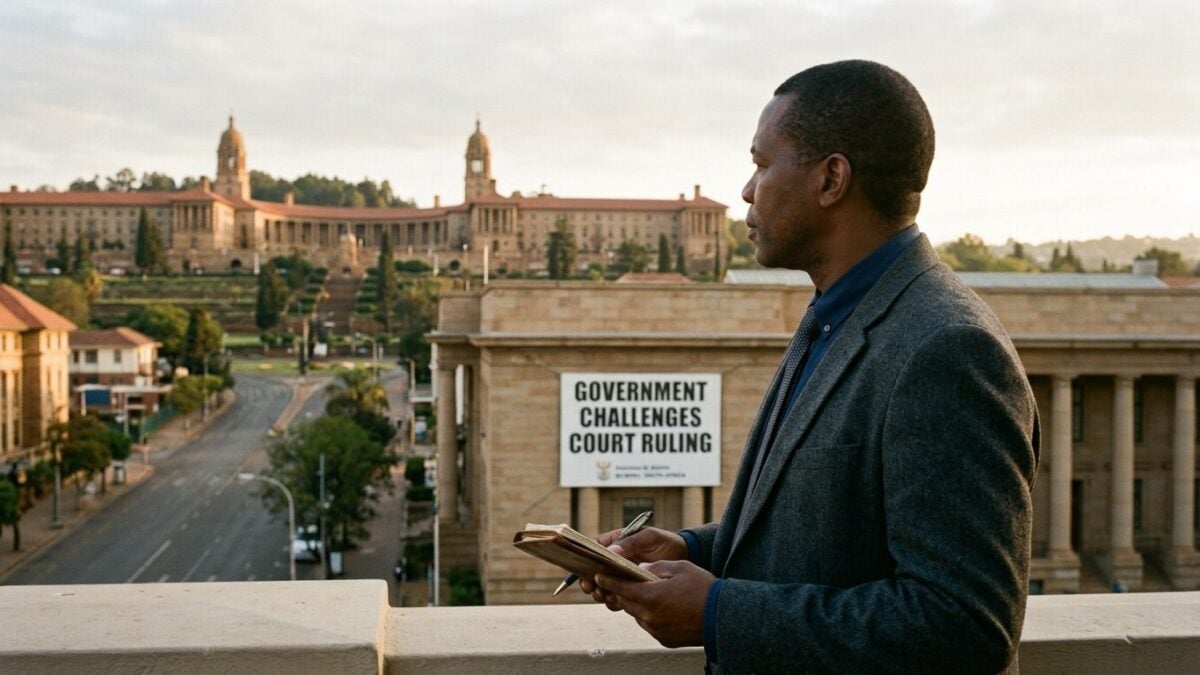
South Africa's government is fighting back against a court judgment that found its R370 monthly poverty grant deliberately designed to shut out millions of eligible poor people. The Supreme Court of Appeal in Bloemfontein heard the state's challenge on Tuesday, setting up a high-stakes legal battle over how the nation handles emergency assistance for its most vulnerable citizens.
At issue: whether the Social Relief of Distress (SRD) grant—currently reaching 8.3 million people at a cost just under R40 billion annually—has been structured to discriminate against applicants who should qualify. A Pretoria high court ruled in January 2025 that core elements of the scheme were unlawful, but the government refused to implement those findings and instead chose to appeal.
What the Court Found
The January judgment centered on two mechanisms the grant uses to vet applicants: the R370 monthly amount itself and the R624 income threshold—the line above which people get rejected. The high court concluded these were not neutral policy choices but rather deliberate barriers erected to keep otherwise eligible citizens off the rolls.
Civil rights groups challenging the system—the Institute for Economic Justice (IEJ) and the activist movement #PayTheGrants—argue that by refusing to implement the ruling, government leaves millions in limbo. They contend the appeal itself violates the state's constitutional duty to provide social assistance.
The IEJ's legal counsel told the appeal court that income verification through bank accounts alone cannot fairly capture who needs help, especially in an economy where informal workers and the destitute rarely maintain formal financial records. He pointed out that the SRD budget has never been fully spent since the grant's creation—meaning fiscal constraints, not genuine inability to pay, are driving the exclusions.
The Treasury Pushback
Government's core argument rests on affordability. The state says the tax base cannot support expanding the grant without destabilizing public finances. Economists at major banks echo that concern, warning the current economy is too sluggish to sustain higher social spending.
Citibank economist Gina Schoeman framed the tension bluntly: where the money comes from if the scheme grows remains unanswered. Officials are now exploring whether to tie future grants to skills training and job placement—a shift some economists support but one that critics fear will shrink the pool of recipients further.
Unlike other South African social grants, which received increases over time, the SRD has stalled. That frozen R370 sits at the heart of the court dispute.
What Happens Next
The Supreme Court of Appeal's decision will shape whether millions regain access to emergency cash or whether government's fiscal arguments hold. For a nation where unemployment exceeds 30 percent and hunger remains widespread, the stakes are immediate and personal—not abstract policy. The court's ruling, when it comes, will determine whether constitutional promises of social protection mean anything for those with nothing.